
You’ve tried quick-fix workouts and one-off classes, but the real change comes from simple daily choices. If lifting feels confusing or intimidating, small habits will make it feel natural. These strength training tips for women focus on routines you can repeat, not fads you’ll abandon.
Routines help you build confidence, reduce injury, and make progress measurable. You’ll learn how to plan sessions, prioritize form, and blend recovery with lifting. Each tip is habit-based so you can add it to your week without overhauling your life.
Use these practical ideas to shape a consistent strength habit. Over weeks you’ll notice more energy, steadier progress, and a clearer roadmap for lifting. Pick one tip at a time and pin the ones that fit your schedule.
1. Start with Compound Lifts

Compound lifts use multiple joints so you work more muscles in less time. Start with squats, deadlifts, presses, and rows. These moves fit easily into short sessions and build strength quickly. You can add them to a home or gym routine three times a week.
Expect better overall strength, improved posture, and more confidence with heavier loads. Keep reps moderate and focus on steady progress. Over a few months you’ll lift more weight and feel stronger in daily tasks like carrying groceries or climbing stairs.
Why This Works
- Engages large muscle groups for efficient gains
- Builds functional strength for daily life
- Teaches movement patterns early on
- Maximizes time in short workouts
Quick Tips
- Start with bodyweight then add a barbell or dumbbells
- Learn one lift each week until form feels natural
- Use 3–5 sets of 4–8 or 6–12 reps depending on goals
- Record weight and reps to track progress
- Get feedback from a trainer or video yourself
2. Build a Simple Weekly Plan
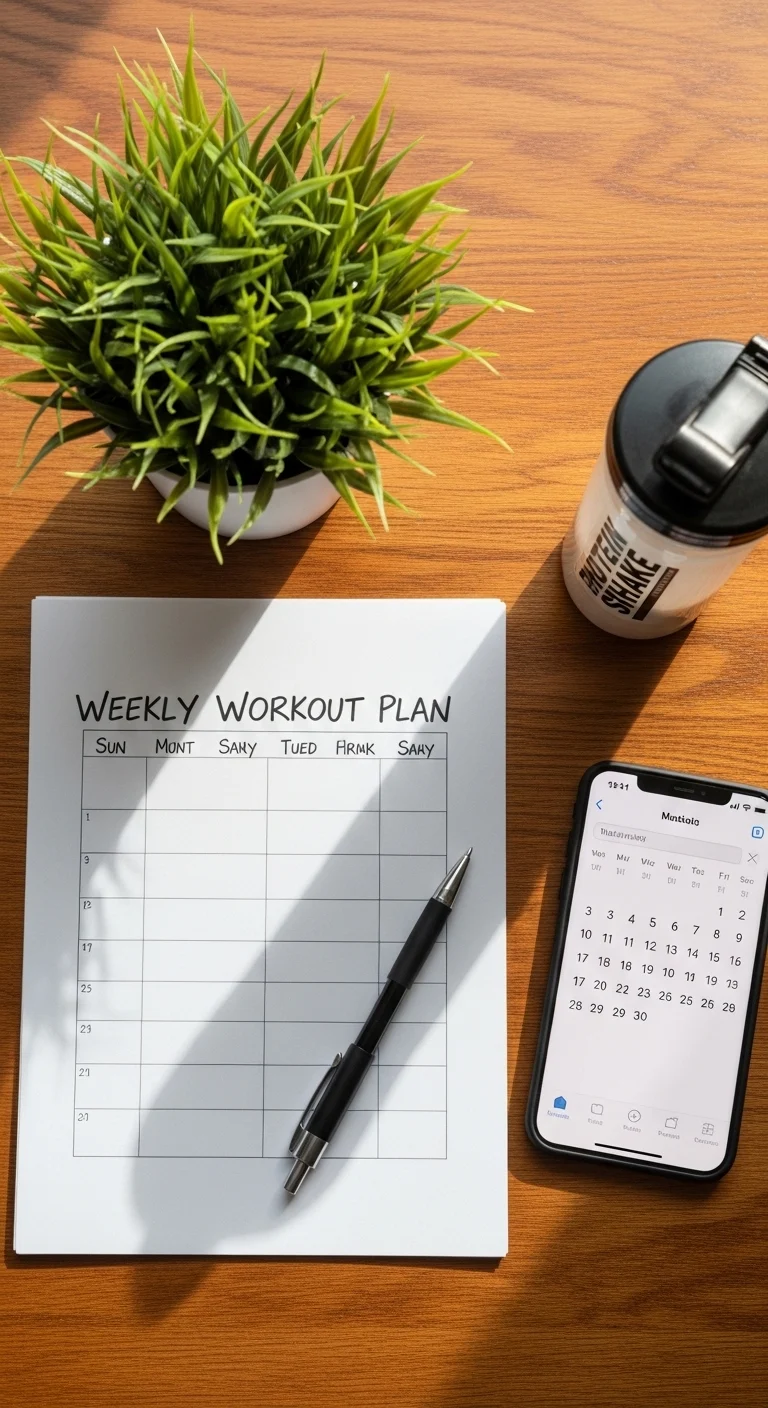
A simple weekly plan prevents guesswork and boosts consistency. Schedule two to four strength sessions per week and mark them on your calendar like appointments. Include rest or active recovery days so lifting days remain high quality.
This habit forces commitment and makes it easier to adjust when life gets busy. You’ll notice less decision fatigue and more regular progress. A clear plan helps you measure improvements and keeps your workouts balanced with cardio, mobility, and daily responsibilities.
Why This Works
- Removes daily decision-making
- Increases workout consistency
- Balances intensity across the week
- Helps you track progress and adjust load
Quick Tips
- Block workouts in your calendar by time, not just day
- Start with 30–45 minute sessions
- Alternate upper and lower body days
- Schedule recovery like any other appointment
- Revisit plan every 4–6 weeks
3. Prioritize Progressive Overload
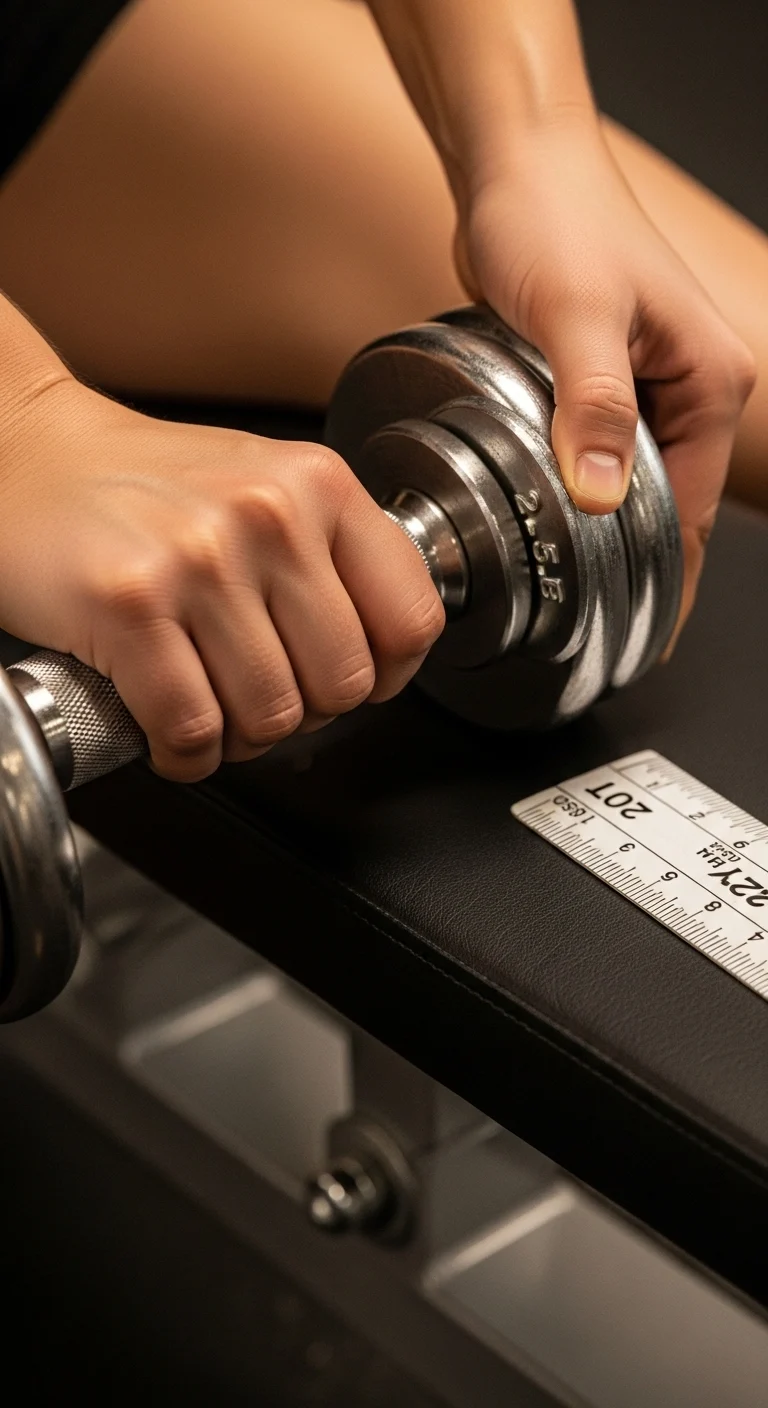
Progressive overload means adding challenge over time. Increase weight, reps, sets, or reduce rest to push muscles gradually. This habit keeps you moving forward without constant program changes.
Track small weekly increases so progress is consistent. You may feel stronger and more muscular over months, and lifts will feel easier. Keep increases small to avoid injury. Progressive overload applies whether you train at home or in a gym and fits into most strength training tips for women focused on steady results.
Why This Works
- Drives continuous muscular adaptation
- Prevents plateaus in progress
- Encourages measurable, deliberate gains
- Keeps workouts progressive without extra fuss
Quick Tips
- Add 1–5% weight increases when reps feel easy
- Increase reps before increasing weight sometimes
- Shorten rest by 10–15 seconds for more challenge
- Use a workout log or app for consistency
- Make one variable change at a time
4. Master Proper Form First

Learning correct mechanics keeps you safe and efficient. Spend early sessions practicing form with light loads or bodyweight. Use mirrors, slow reps, and cues like “chest up” or “hips back.” Form practice fits into warm-ups or short technique sessions.
When technique is solid, you lift heavier more safely and recover faster. You’ll notice less joint discomfort and more confident movement. This is a foundational habit that supports other strength training tips for women by creating a reliable base for progression.
Why This Works
- Reduces injury risk
- Improves movement efficiency
- Allows safer strength increases
- Builds confidence under load
Quick Tips
- Record short videos to check alignment
- Use a coach for complex lifts early on
- Practice technique on low-volume days
- Break lifts into smaller drills
- Focus on quality over quantity
5. Track Workouts Religiously

Tracking turns vague sessions into clear progress. Write exercises, sets, reps, and weights each time. Review entries weekly to spot trends and plateaus. This habit makes progressive overload simple and helps you plan deloads or increases.
You’ll find motivation in visible gains and avoid repeating the same workouts unknowingly. Tracking fits any setup: paper log, spreadsheet, or app. Over time you’ll identify what works best for your body and adapt your routine with confidence.
Why This Works
- Makes progress measurable
- Simplifies planning and progression
- Reveals patterns and plateaus
- Increases accountability to your goals
Quick Tips
- Record one line per exercise with weight and reps
- Review last session before starting a new one
- Log subjective notes: energy, soreness, sleep
- Use consistent abbreviations for speed
- Back up digital logs regularly
6. Focus on Recovery and Sleep

Recovery is where strength grows. Prioritize 7–9 hours of sleep and easy active days between hard sessions. Recovery includes nutrition, hydration, and light movement to reduce stiffness. This habit prevents burnout and keeps performance steady.
You’ll notice faster strength gains and fewer aches when recovery is consistent. Recovery is as important as lifting days and should be scheduled. Integrating restful routines supports multiple strength training tips for women by improving energy, readiness, and long-term progress.
Why This Works
- Supports muscle repair and growth
- Improves workout quality and consistency
- Lowers injury and burnout risk
- Enhances mental focus for training
Quick Tips
- Keep a consistent sleep schedule
- Use light walks or stretching on rest days
- Prioritize hydration and balanced meals
- Try a short evening wind-down routine
- Plan easier training weeks periodically
7. Include Mobility and Warm-Ups

A short mobility routine primes your body for lifting. Spend 8–12 minutes on joint-specific drills and dynamic stretches before heavy work. Include movements that match the lift: hip openers for squats, shoulder circles for presses.
This habit reduces stiffness and improves range of motion. You’ll lift with better form and feel less post-workout soreness. Mobility sessions also serve as mini-recovery on off days. Making warm-ups part of your routine keeps training sustainable and enjoyable.
Why This Works
- Prepares joints and muscles for load
- Reduces risk of injury during heavy lifts
- Improves movement quality and range
- Adds a calming transition into training
Quick Tips
- Do movement-specific mobility for 8–12 minutes
- Use foam rolling or bands for tight areas
- Warm up with lighter sets of the main lift
- Keep mobility consistent on rest days too
- Track movements that feel tight and focus on them
8. Eat Enough Protein and Calories

Nutrition fuels recovery and muscle growth. Aim for regular protein at meals and slightly increased calories on heavy training days. This habit supports strength gains and helps you feel energized for workouts. You don’t need perfection small, consistent improvements matter.
Over weeks you’ll notice better recovery, clearer muscle definition, and steadier performance. Pair meals with whole foods, and use protein-rich snacks when needed. Good nutrition complements your training and makes the other strength training habits more effective.
Why This Works
- Provides building blocks for muscle repair
- Supports sustained energy for workouts
- Reduces prolonged soreness and fatigue
- Helps maintain strength gains over time
Quick Tips
- Aim for 20–40g protein per meal depending on size
- Include a mix of carbs and fats around training
- Use simple snacks like Greek yogurt or a protein shake
- Track intake briefly to spot low-protein days
- Adjust calories based on progress and activity
9. Use Full-Body Workouts Early On
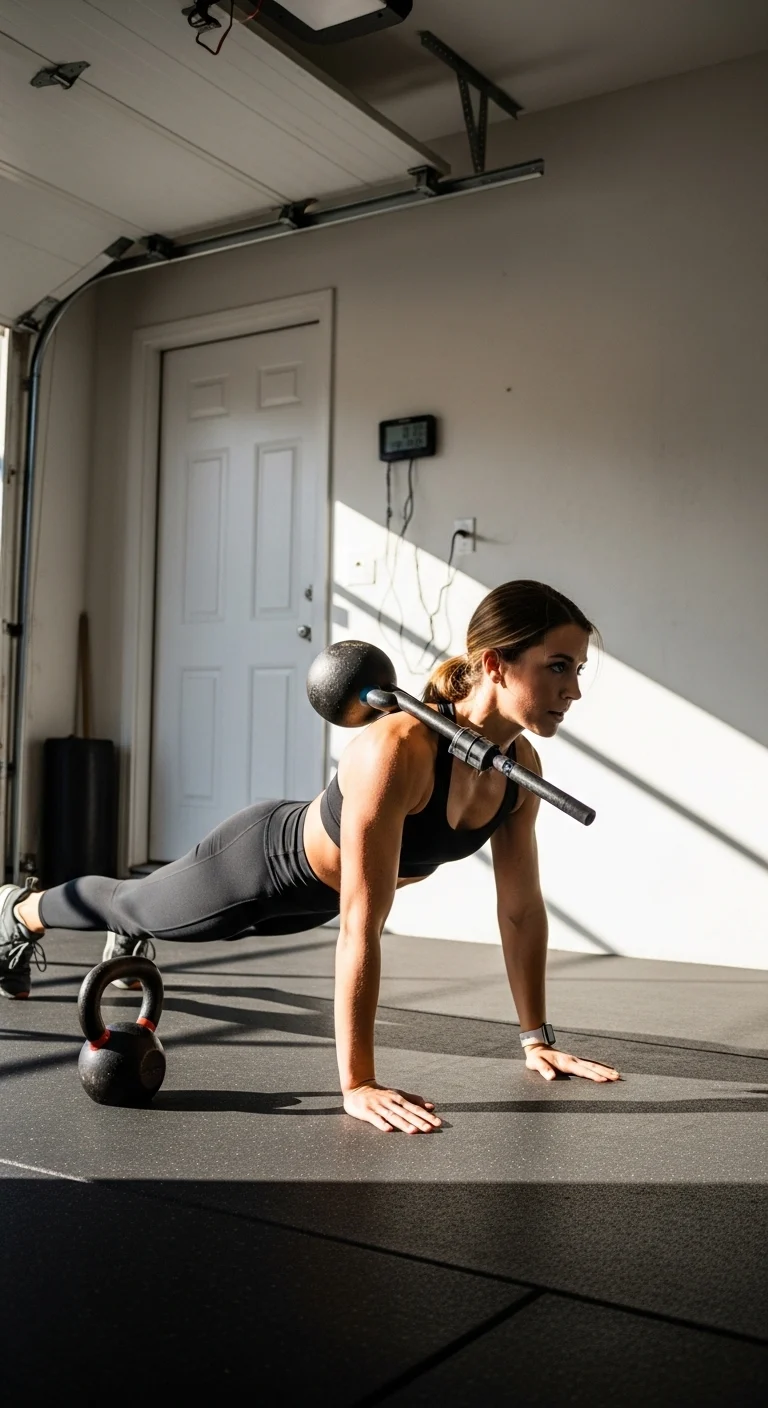
Full-body sessions hit multiple muscle groups each workout so you get frequent practice and recovery. For beginners, three full-body workouts per week are efficient and effective. This habit builds a balanced foundation and keeps total training time manageable.
You’ll see steady gains across lifts and improved coordination. Full-body routines fit busy weeks and help you develop consistent lifting frequency. As you advance, you can switch to split routines, but full-body days are excellent for building early strength and confidence.
Why This Works
- Offers frequent muscle stimulation for growth
- Balances workload across the body
- Fits busy schedules with fewer sessions
- Promotes consistent practice of key lifts
Quick Tips
- Include one push, one pull, and one lower-body move per session
- Keep sessions to 30–60 minutes
- Rotate accessory work to avoid imbalance
- Use moderate rep ranges for strength and endurance
- Rest at least one day between full-body sessions
10. Add Unilateral Exercises

Unilateral moves like lunges and single-arm rows fix imbalances and boost stability. They train each side independently so weak points can’t hide. Add one or two unilateral exercises each session or use them as accessories.
This habit improves balance, reduces injury risk, and enhances overall strength symmetry. You’ll notice better single-leg strength for stairs and better control with complex lifts. Including these moves in your routine supports power and functional strength for everyday activities.
Why This Works
- Corrects left-right strength imbalances
- Builds joint stability and coordination
- Transfers to better performance in compound lifts
- Reduces risk of overcompensation injuries
Quick Tips
- Start with bodyweight versions then add load
- Use equal sets and reps on each side
- Keep reps slightly higher for stability (8–15)
- Add as a finisher if time is short
- Record any asymmetries to monitor progress
11. Vary Your Rep Ranges
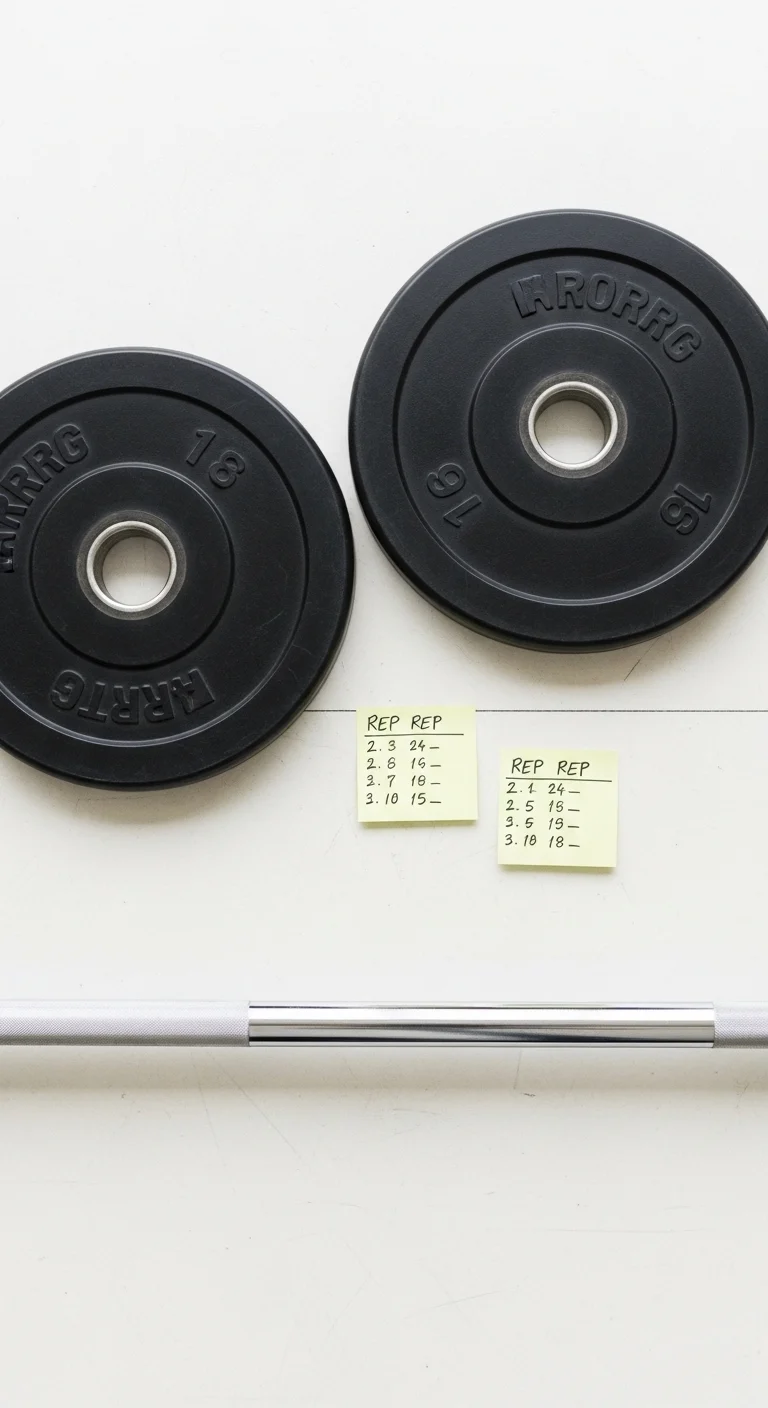
Changing rep ranges trains strength, hypertrophy, and endurance. Mix low reps (3–6), moderate reps (6–12), and higher reps (12–20) across weeks. This habit prevents boredom and sparks new gains. Plan blocks of heavy focus followed by lighter weeks for volume.
You’ll gain raw strength and muscle tone and avoid plateaus. Varying reps fits into weekly or monthly cycles and pairs well with progressive overload. Small variations keep your training fresh and productive over the long term.
Why This Works
- Stimulates different muscle adaptations
- Prevents training plateaus
- Balances strength and muscular endurance
- Keeps workouts varied and engaging
Quick Tips
- Rotate rep ranges every 3–6 weeks
- Use heavy days for compound lifts, lighter days for accessories
- Keep form strict when reps are heavy
- Increase volume on higher-rep days gradually
- Track how different ranges affect recovery
12. Lift Heavier Safely and Confidently

Progress to heavier weights with staged steps: mastery of form, small weight increases, and planned support. Use a spotter or safety equipment when necessary. This habit teaches you to push limits without rushing.
Gradual increases build confidence and reduce fear of heavier lifts. You’ll experience clearer strength gains and improved movement control. Lifting heavier is a skill you acquire through consistent practice, good technique, and smart programming. Make incremental weight increases a normal part of your routine.
Why This Works
- Encourages steady strength improvements
- Builds mental confidence with load
- Reduces injury by pacing progress
- Reinforces the value of consistent practice
Quick Tips
- Increase weight by small increments (1–5%)
- UsePR or training logs to plan heavier cycles
- Employ safety bars or a spotter for squats and presses
- Schedule a deload week after heavy blocks
- Celebrate progress without skipping technique checks
You now have a variety of habit-based ways to make strength part of your routine. These tips cover planning, technique, nutrition, recovery, and progression so you can pick a few that fit your life.
Save or pin the ideas that match your schedule and try one change per week. Small, consistent habits are easier to keep and lead to steady results. Which tip will you try first this week?