
You wake up feeling a little bloated or sluggish. Small daily habits add up, and your gut health often reflects those tiny choices. When you give your digestion consistent, simple support, you feel steadier, lighter, and more energetic.
Routines matter because they make healthy choices automatic. A few predictable daily habits support your microbiome, digestion, sleep, and energy. Below are ten easy, habit-based ideas you can try this week to improve your gut health naturally. Each one fits into real life and includes simple tips so you can start right away.
1. Start the Day with Warm Lemon Water

Drinking warm lemon water in the morning is a gentle ritual that eases your digestion. The warmth helps stimulate stomach motility, and the lemon adds a touch of acidity that can support bile flow. You can sip it while you plan your day or journal for five minutes. Over time, you may notice less morning bloating and smoother digestion.
Why This Works
- Encourages early digestive activity
- Adds gentle acidity to aid digestion
- Hydrates after a night’s sleep
- Creates a consistent morning routine
Quick Tips
- Use lukewarm water, not hot
- Squeeze half a lemon into a cup
- Drink before coffee or breakfast
- Keep a glass by your bed to sip on wake-up
- Pair with a short breathing exercise
2. Add Fermented Foods
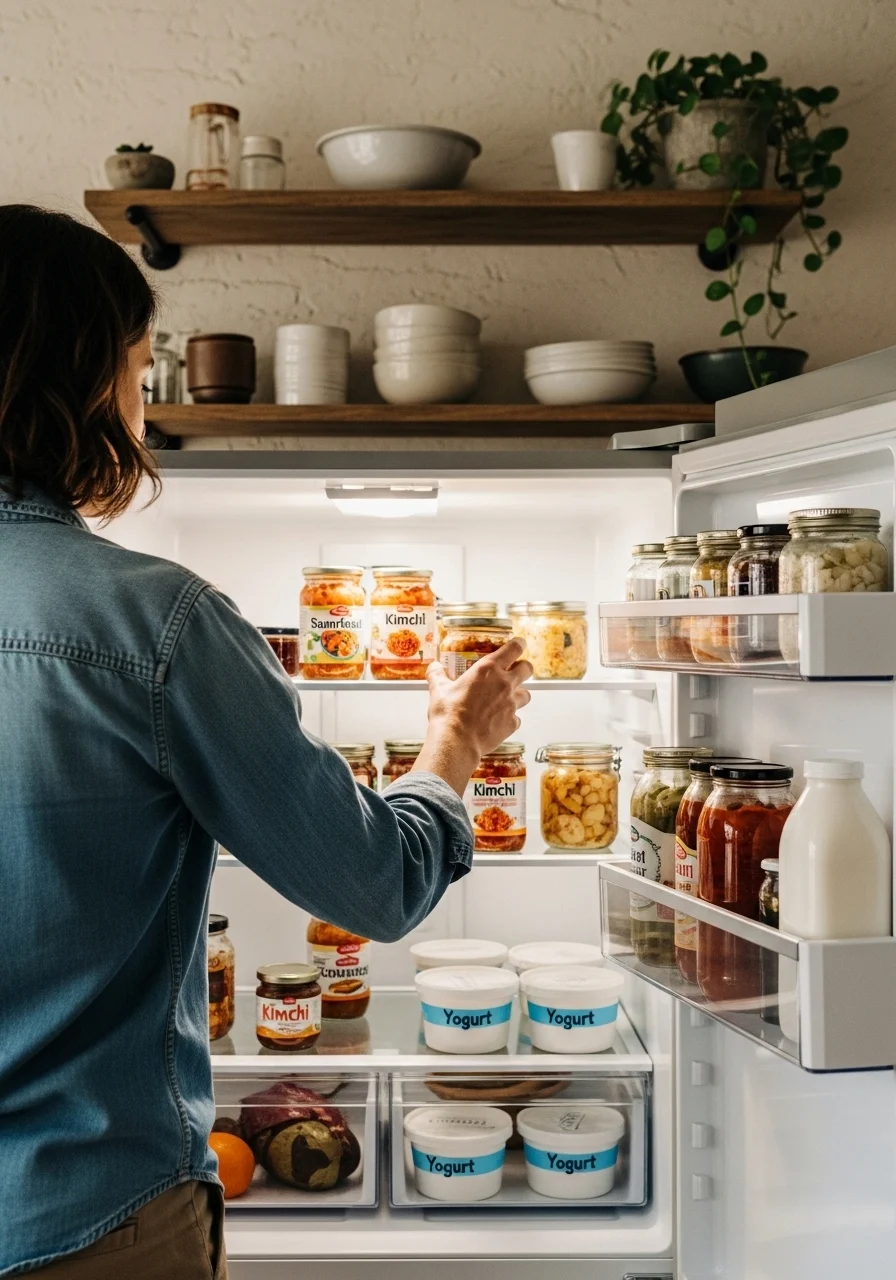
Fermented foods like yogurt, kefir, kimchi, and sauerkraut deliver live cultures that support your microbiome. Add a small serving to a meal or snack each day. You don’t need large portions to see change. Expect gradual improvements in digestion and a more balanced gut environment.
Why This Works
- Introduces beneficial bacteria
- Supports a diverse microbiome
- Can ease occasional bloating
- Adds flavor and texture to meals
Quick Tips
- Start with one tablespoon at meals
- Try plain yogurt with fruit for breakfast
- Mix kimchi into a salad or bowl
- Rotate different fermented foods weekly
- Store jars in visible spots to remember them
3. Prioritize Fiber-Rich Meals
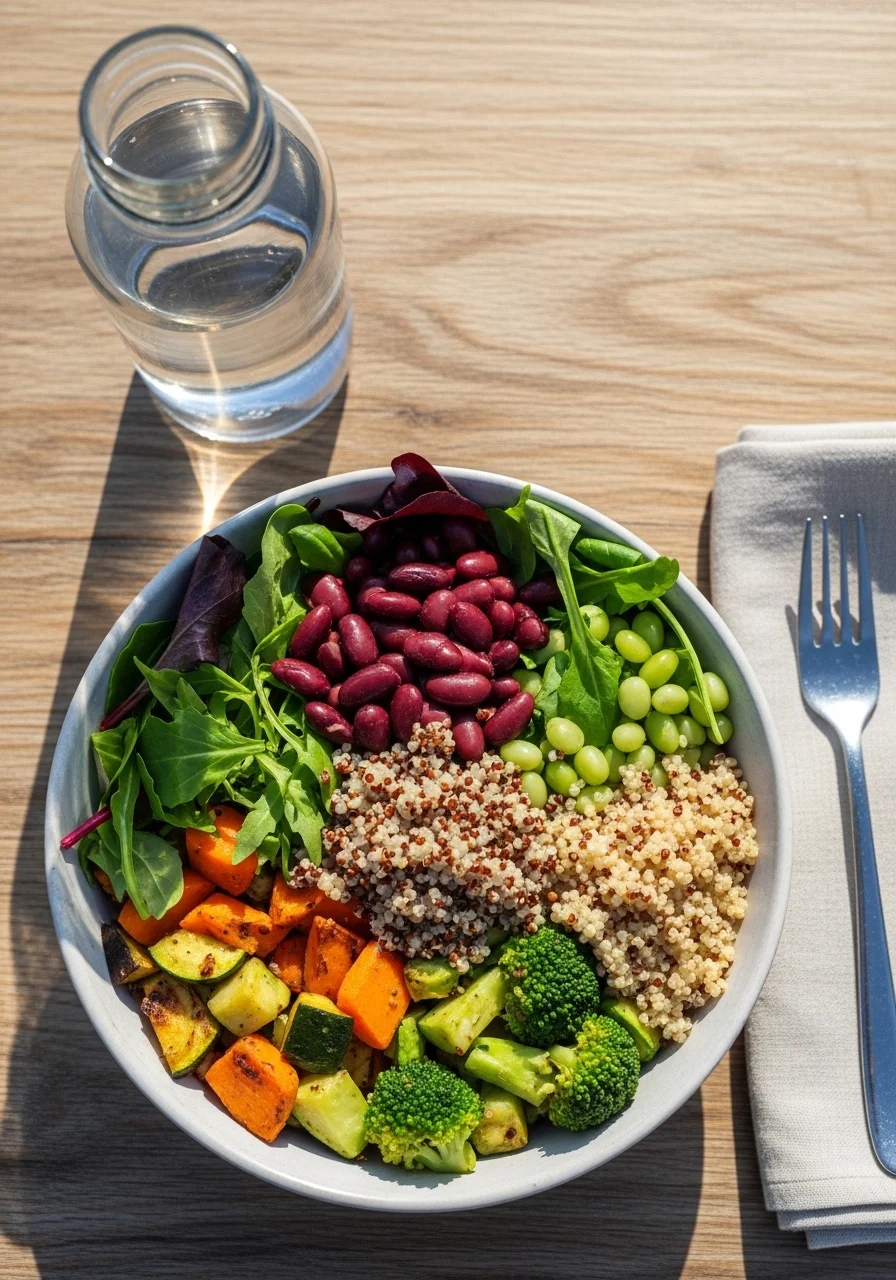
Fiber feeds the good bacteria and helps keep digestion regular. Aim for whole grains, legumes, vegetables, fruits, nuts, and seeds across your day. Spread fiber across meals to avoid overload. Over a few weeks, you may notice more regular bowel habits and steadier energy.
Why This Works
- Feeds helpful microbes
- Supports regular bowel movements
- Keeps you fuller longer
- Stabilizes blood sugar gently
Quick Tips
- Add a serving of vegetables to every meal
- Toss seeds into yogurt or salads
- Swap white rice for brown rice or quinoa
- Use beans in soups or bowls twice a week
- Increase fiber slowly to reduce gas
4. Move Daily with Gentle Walks

Light movement, like walking, supports digestion and gut motility. A 20–30 minute walk after meals encourages food to move through your system. You can fit walks into breaks, evening routines, or short outings. Over time, you may feel less bloated and more alert after meals.
Why This Works
- Encourages healthy bowel activity
- Reduces feelings of sluggishness
- Supports mood and stress balance
- Easy to fit into any day
Quick Tips
- Walk after lunch or dinner for 15–30 minutes
- Use a phone timer to make it consistent
- Aim for a brisk, comfortable pace
- Wear supportive shoes for comfort
- Invite a friend to make it social
5. Practice Mindful Eating

Mindful eating means slowing down, chewing thoroughly, and paying attention to hunger and fullness. This reduces overeating and helps digestive enzymes do their work. Try putting screens away and taking a few deep breaths before meals. You may notice fewer digestive upsets and better meal satisfaction.
Why This Works
- Improves digestion from better chewing
- Reduces stress-related gut discomfort
- Encourages healthier portion sizes
- Helps you recognize true hunger cues
Quick Tips
- Put your phone away at meals
- Chew each bite 20–30 times if possible
- Pause halfway through your meal to check fullness
- Take three deep breaths before you start eating
- Start with one mindful meal per day
6. Include Prebiotic-Rich Foods
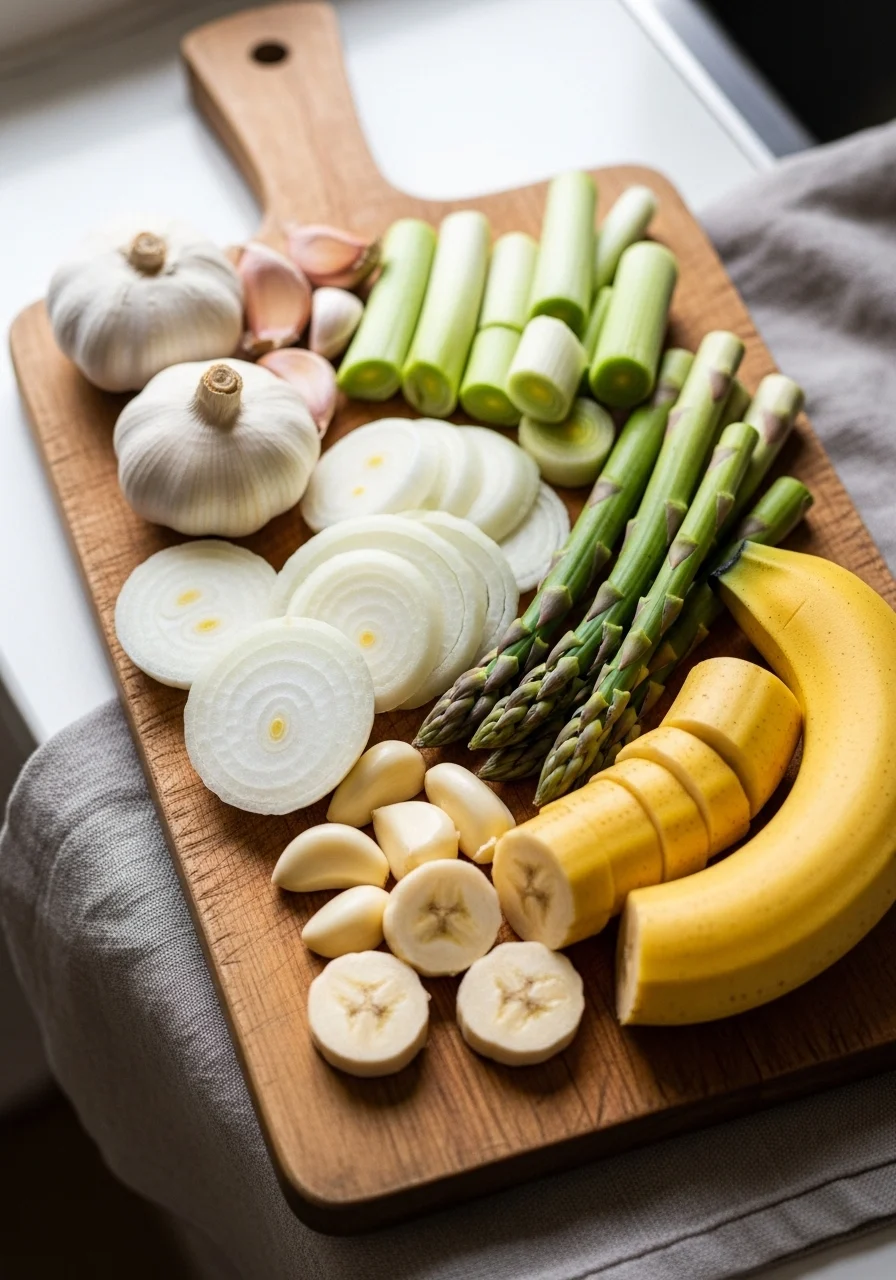
Prebiotics are fibers that feed beneficial bacteria. Foods like garlic, onions, leeks, asparagus, bananas, and oats are good choices. Add them to meals gradually. With regular intake, you may notice improved digestion and a more resilient gut flora.
Why This Works
- Feeds helpful microbes directly
- Supports longer-term microbiome balance
- Works well with fermented foods
- Often adds flavor and texture to meals
Quick Tips
- Add onions to salads or sautés
- Use oats for a fiber-rich breakfast
- Snack on a banana or add to smoothies
- Mix asparagus into bowls or salads
- Rotate prebiotic foods across the week
7. Cut Added Sugar Gradually
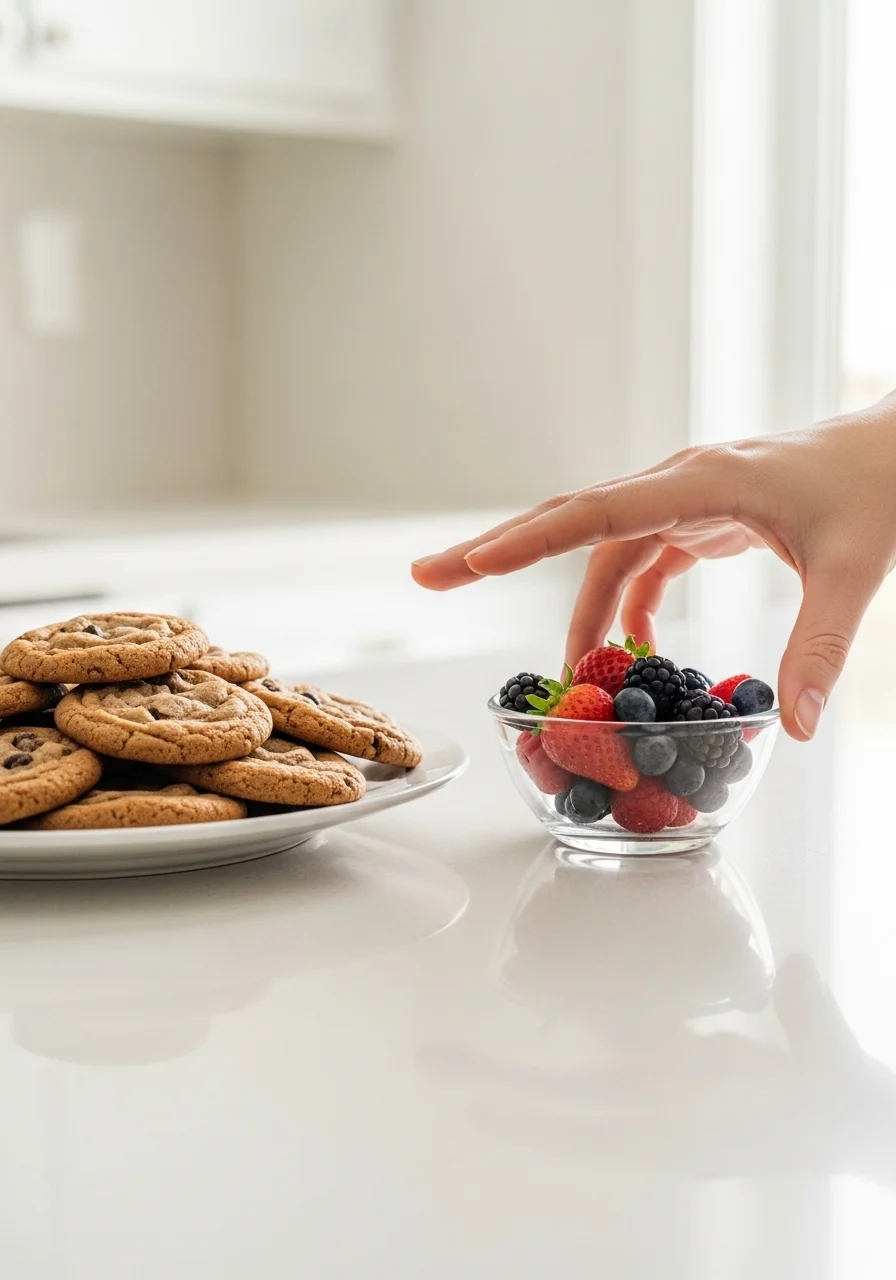
High added sugar can feed less helpful microbes and upset the balance. Read the UCE sugary snacks slowly so it’s sustainable. Replace one treat a day with fruit or a healthier swap. Over a few weeks, you may not experience fewer cravings and steadier digestion.
Why This Works
- Reduces feed for harmful bacteria
- Lowers sugar-related bloating
- Supports steadier energy levels
- Encourages better food choices
Quick Tips
- Swap soda for sparkling water with lemon
- Replace one dessert with fresh fruit
- Read labels for hidden sugars
- Use spices like cinnamon to add sweetness
- Reduce sugar in recipes by a small amount
8. Stay Hydrated Through the Day

Water helps move fiber through your system and keeps digestion smooth. Aim to sip across the day rather than gulp. Keep a bottle within reach to make hydration an easy habit. When you stay hydrated, you may experience less constipation and better digestion overall.
Why This Works
- Supports regular bowel movements
- Aids nutrient absorption
- Helps prevent constipation
- Keeps energy and mood steady
Quick Tips
- Carry a refillable bottle with you
- Sip a glass before each meal
- Add citrus or mint for flavor
- Set hourly hydration reminders
- Track water intake in a simple app
9. Improve Your Sleep Routine

Sleep affects your gut microbiome and digestion. Aim for consistent bed and wake times to support repair and recovery. Wind down with a short routine and limit heavy meals close to bedtime. Better sleep can mean fewer digestive disturbances and a more balanced appetite the next day.
Why This Works
- Supports the repair of gutta-percha lining
- Regulates appetite hormones
- Reduces stress-related gut issues
- Improves overall recovery
Quick Tips
- Keep a consistent sleep schedule
- Avoid heavy meals within two hours of bed
- Dim lights and limit screens before sleep
- Try a 20-minute relaxing routine before bed
- Keep your bedroom cool and dark
10. Make a Daily Probiotic Habit
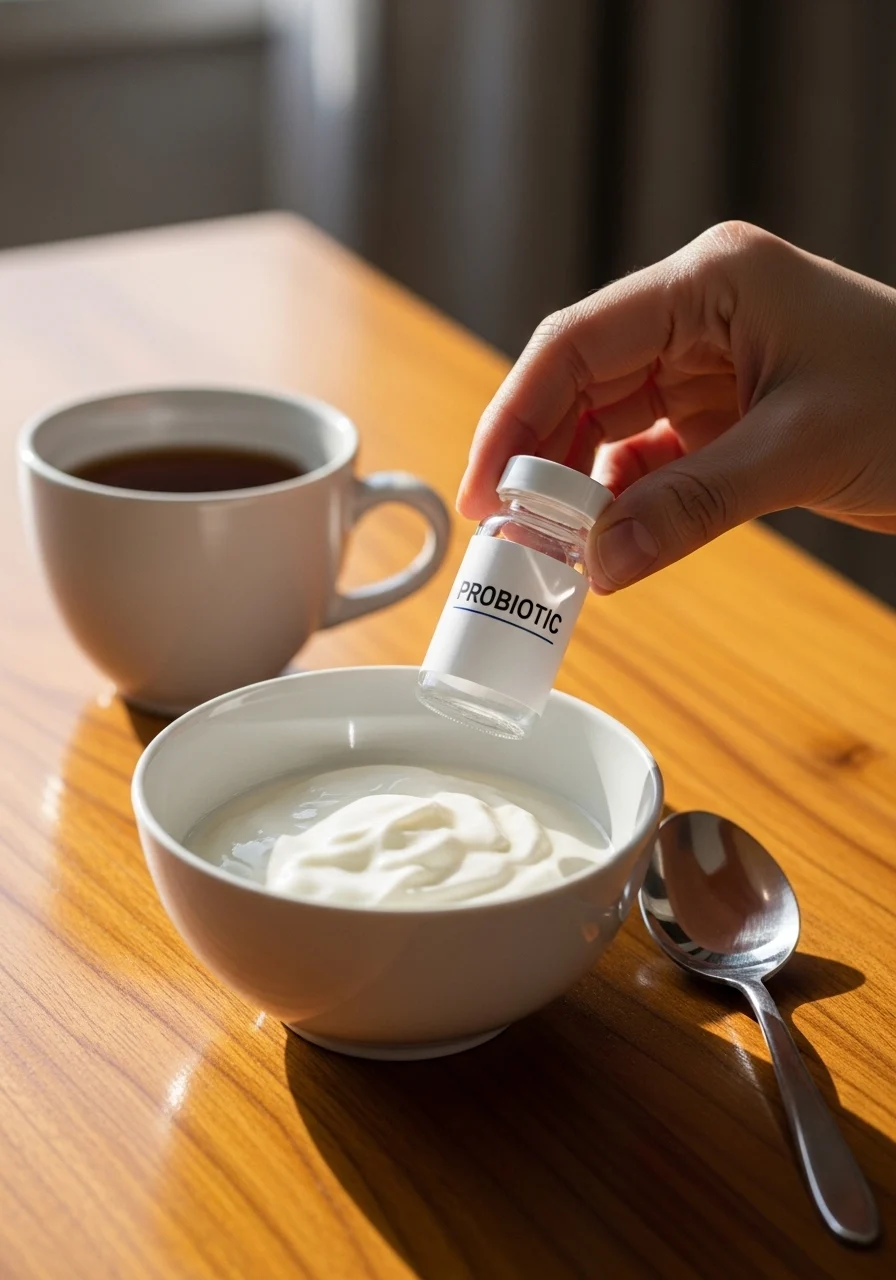
A daily probiotic supplement can add targeted strains to support your gut health. Choose a reputable product and start with the recommended dose. Combine it with fiber and fermented foods for the best results. Over weeks, you may notice improved digestion and more regular bowel movements.
Why This Works
- Adds beneficial strains directly
- Supports microbial diversity
- Works well with prebiotics and fiber
- Easy to make a daily routine
Quick Tips
- Pick a multi-strain probiotic from a trusted brand
- Take with a meal for better tolerance
- Store according to label instructions
- Start with a lower dose if you’re sensitive
- Track changes in a simple journal
You now have ten simple, daily habits to support your gut health naturally. Each habit fits into real life and is easy to test for a week or two. Save or pin this list so you can try a few ideas each week and build a gentle routine. Which habit feels easiest to start with for you?