
You probably notice digestion can wobble when life gets busy. Maybe you reach for quick snacks, skip sleep, or eat while scrolling. Small daily habits matter because your digestive system responds to routine. Improving gut health often starts with tiny, repeatable changes you can actually keep.
This list gives 10 easy, habit-based ways to support your gut health naturally. Each idea fits into normal days. Follow one at a time or mix a few. You’ll get simple actions, what to expect, and quick tips to make each habit stick.
1. Sip Warm Lemon Water Each Morning
Explanation
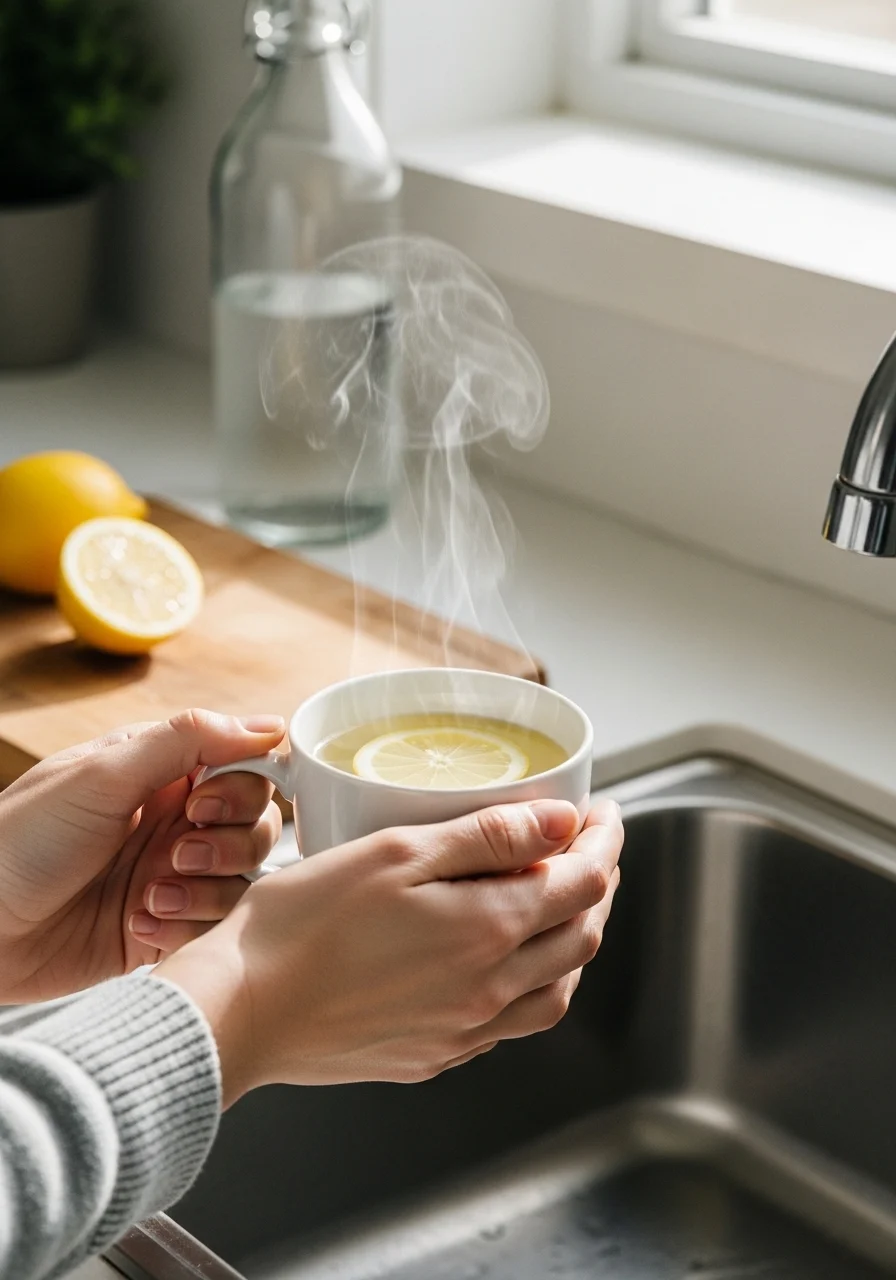
Starting your day with warm lemon water is a gentle ritual that wakes digestion. You sip before breakfast, giving your stomach time to prepare for food. It adds a small dose of vitamin C and keeps you hydrated. This habit can ease morning sluggishness and support regular bowel movements. It is simple to add to any routine. You may notice less bloating and smoother digestion within days to weeks when combined with other gut-friendly habits.
Why This Works
- Stimulates digestive juices and gentle motility
- Encourages morning hydration
- Supports regular bowel movements
- Creates a consistent healthy cue
- Low effort, high consistency
Quick Tips
- Use warm, not boiling, water
- Squeeze half a lemon per cup
- Drink 15–30 minutes before breakfast
- Keep lemons on the counter for visibility
- Combine with deep breaths to wake your system
2. Add Fermented Foods Daily
Explanation
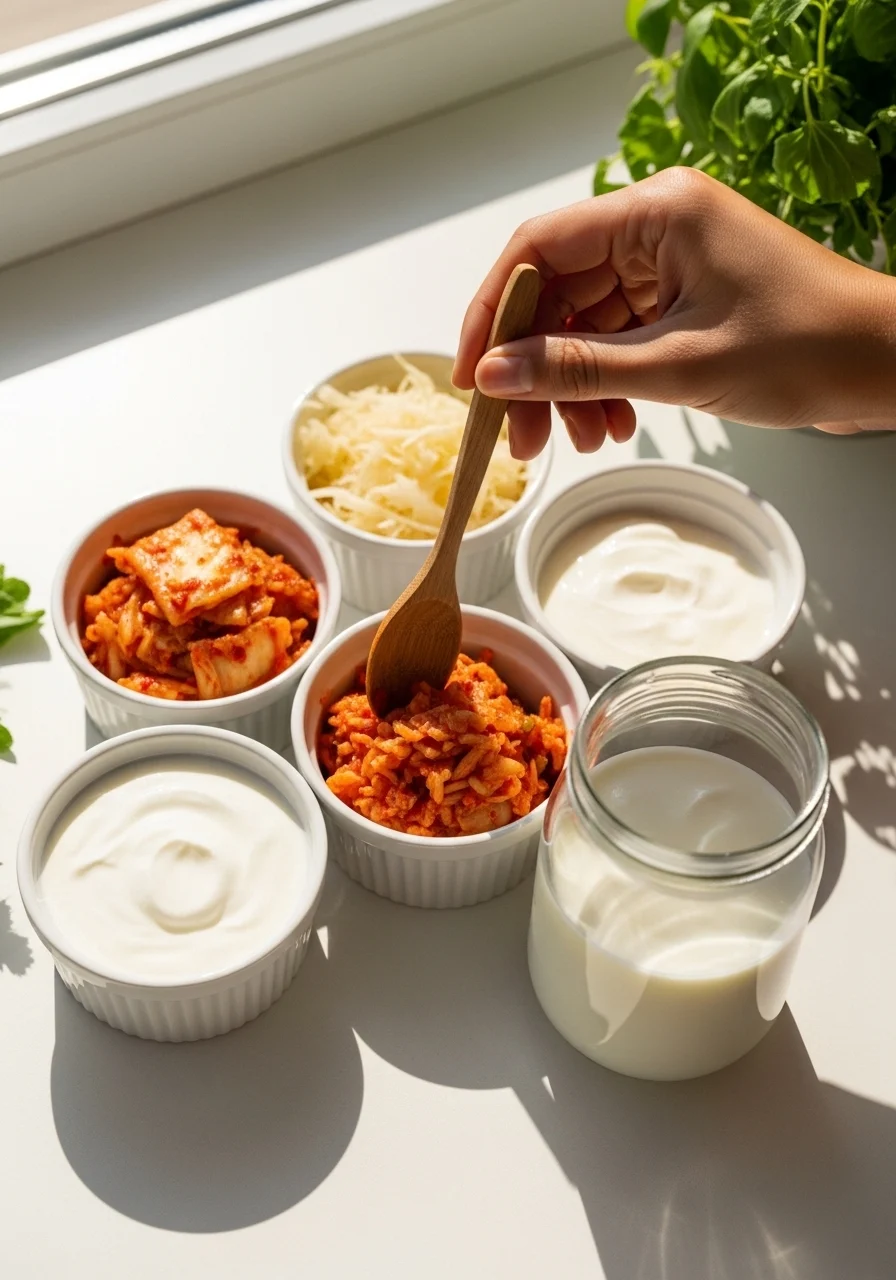
Fermented foods add live cultures to your meals. Yogurt, kefir, kimchi, and sauerkraut introduce beneficial bacteria that support the microbiome. Eating them regularly helps maintain a balanced digestive community. You can add a spoonful to breakfast, a side with lunch, or a topping for dinner. Changes include improved digestion, fewer gas spikes, and better stool regularity. If you’re new to fermented foods, start with small amounts and increase slowly to let your system adjust.
Why This Works
- Introduces probiotic-rich foods
- Helps diversify gut microbes
- Supports digestion and stool consistency
- Gentle daily practice builds tolerance
- Easy to mix into meals
Quick Tips
- Start with a tablespoon per day
- Choose plain, low-sugar yogurt and live-culture jars
- Add kimchi to bowls or eggs
- Rotate different fermented foods weekly
- Store in small containers for easy access
3. Fill Half Your Plate with Fiber
Explanation
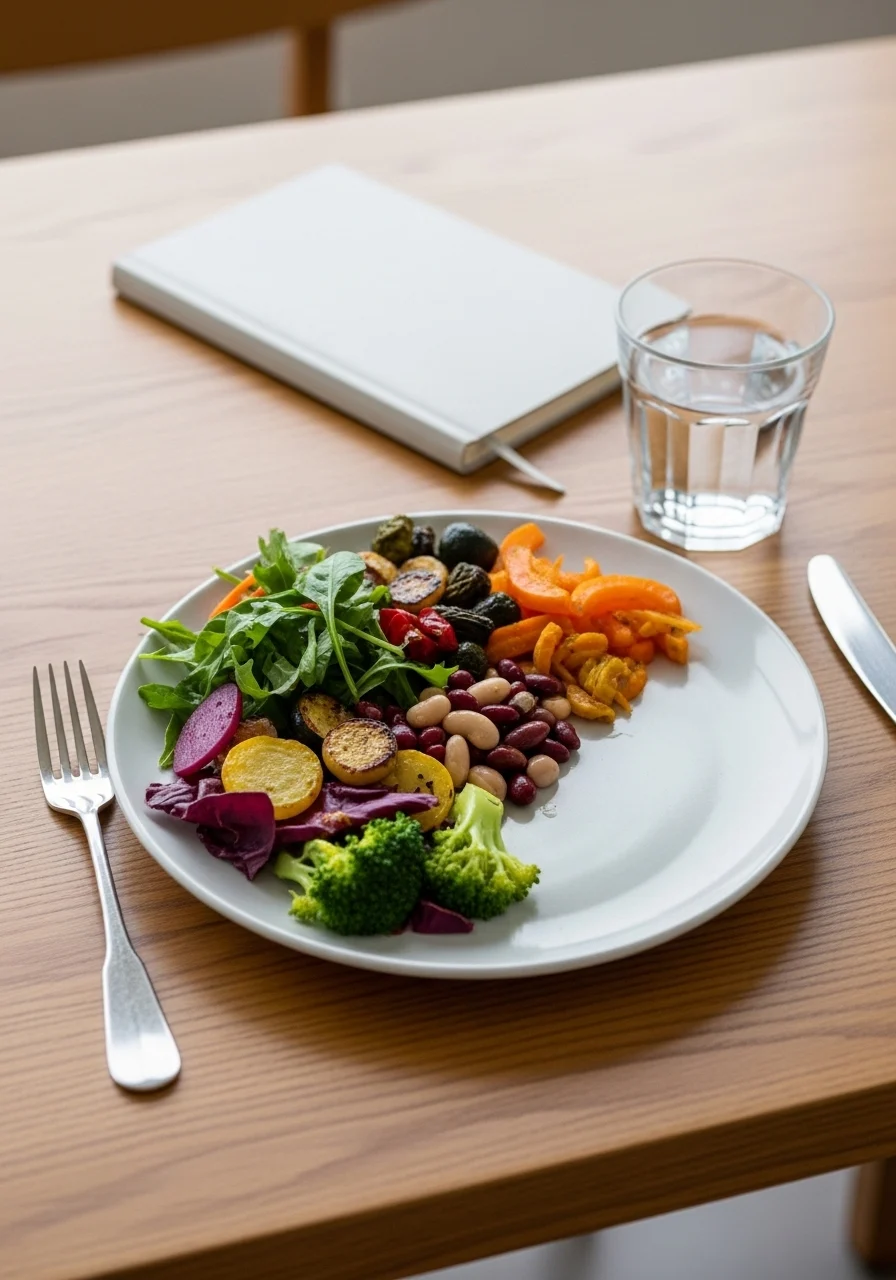
Fiber feeds good bacteria and moves food through your system. Aim to make half your plate vegetables, fruits, legumes, and whole grains. These foods support steady bowel movements and reduce bloating. Over time, regular fiber intake can change stool patterns and help you feel lighter. Keep portions balanced and increase fiber gradually to prevent temporary gas. Pair fiber with water and movement for best results. This habit becomes routine when you plan simple, colorful meals.
Why This Works
- Feeds beneficial microbiome bacteria
- Supports regular bowel movements
- Promotes fullness and balanced meals
- Reduces constipation risk
- Easy to track visually on your plate
Quick Tips
- Add a veggie to every meal
- Swap refined grains for whole grains
- Use beans in soups and salads
- Increase fiber over 1–2 weeks
- Drink extra water with higher fiber
4. Eat Prebiotic Foods Every Day
Explanation
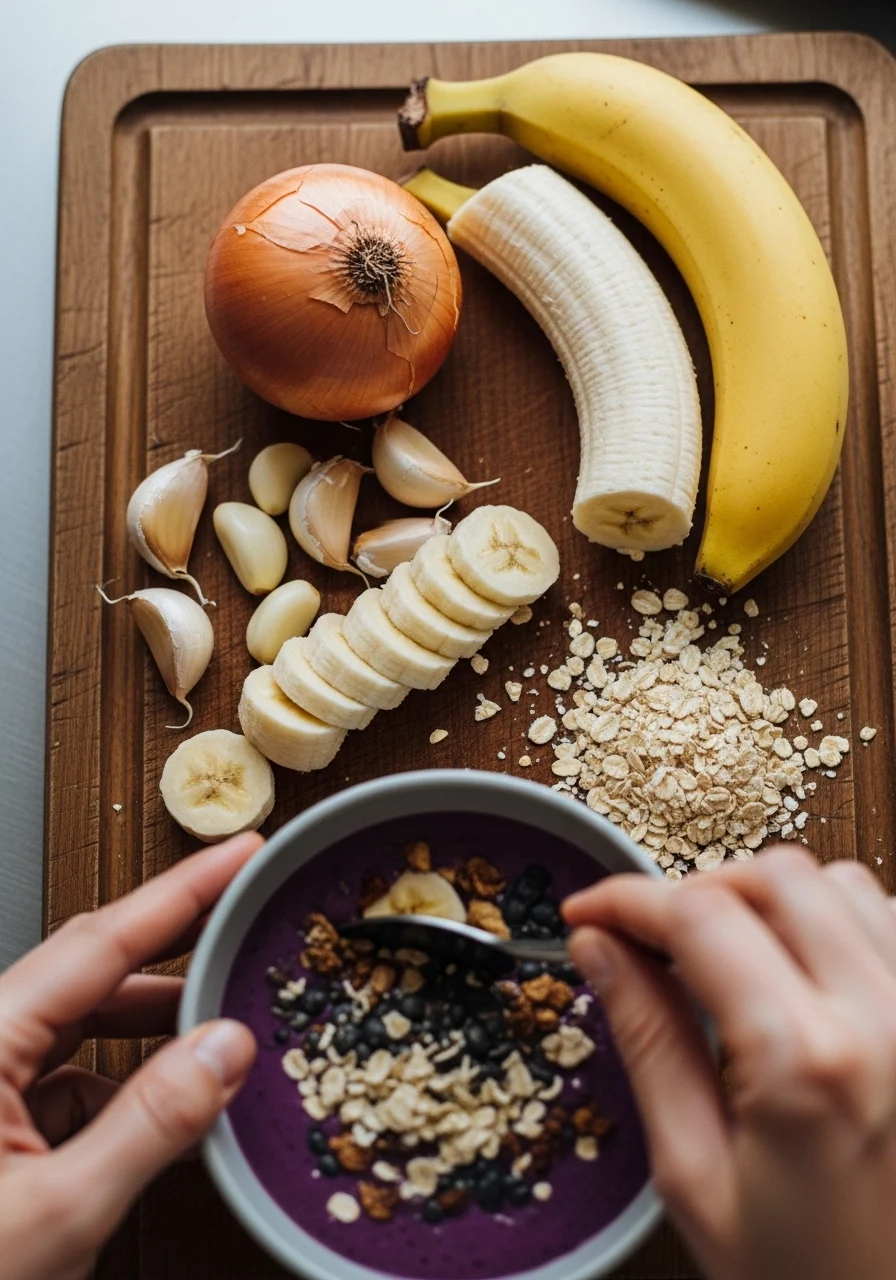
Prebiotic foods feed the friendly microbes already in your gut. Foods like onions, garlic, leeks, bananas, asparagus, and oats contain fibers that aren’t digested by you but by bacteria. Adding them daily helps the microbiome thrive. You may notice more stable digestion and reduced bloating after a few weeks. Prebiotics work best with probiotic or fermented foods. Small swaps and simple additions to meals make this habit easy to keep.
Why This Works
- Nurtures existing beneficial bacteria
- Supports microbial diversity
- Helps produce supportive short-chain fatty acids
- Enhances effects of probiotics and fermented foods
- Simple additions improve daily diet quality
Quick Tips
- Add garlic or onion to sauces and dressings
- Use oats or banana in smoothies
- Steam asparagus as a side dish
- Combine prebiotics with fermented foods
- Keep prebiotic staples on hand
5. Walk After Meals for Better Digestion

Explanation
A short, gentle walk after eating helps move food through your digestive tract. Aim for 10 to 20 minutes at a comfortable pace. This habit reduces post-meal bloating and helps regulate blood sugar. It’s easy to fit into work breaks or after dinner. You may notice lighter digestion and fewer heavy post-meal feelings. Walking also supports overall activity levels, which complements other gut-friendly changes like fiber and hydration.
Why This Works
- Encourages gentle intestinal movement
- Reduces bloating and sluggishness
- Helps balance post-meal blood sugar
- Easy to integrate into daily routine
- Boosts consistent movement habit
Quick Tips
- Walk briskly but comfortably
- Set a 10–20 minute timer after meals
- Use steps or a nearby park
- Keep a pair of walking shoes handy
- Invite a friend for accountability
6. Prioritize Consistent Sleep

Explanation
Consistent sleep supports digestion and the microbiome. Aim for regular bed and wake times, even on weekends. Poor or irregular sleep can upset digestive rhythms and increase sensitivity to food. When you sleep well, your body repairs and coordinates hormone signals for appetite and digestion. Expect steadier hunger cues and fewer night-time cravings. This habit pairs well with other gut health steps like diet and stress habits.
Why This Works
- Supports hormonal balance for digestion
- Helps regulate appetite and cravings
- Promotes repair and immune support
- Reinforces daily routines for gut health
- Simple schedule changes yield big benefits
Quick Tips
- Set a consistent bedtime and wake time
- Dim lights an hour before bed
- Keep screens away from the bedside
- Create a short pre-sleep routine
- Avoid heavy meals within two hours of sleep
7. Cut Back on Added Sugar and Processed Foods
Explanation
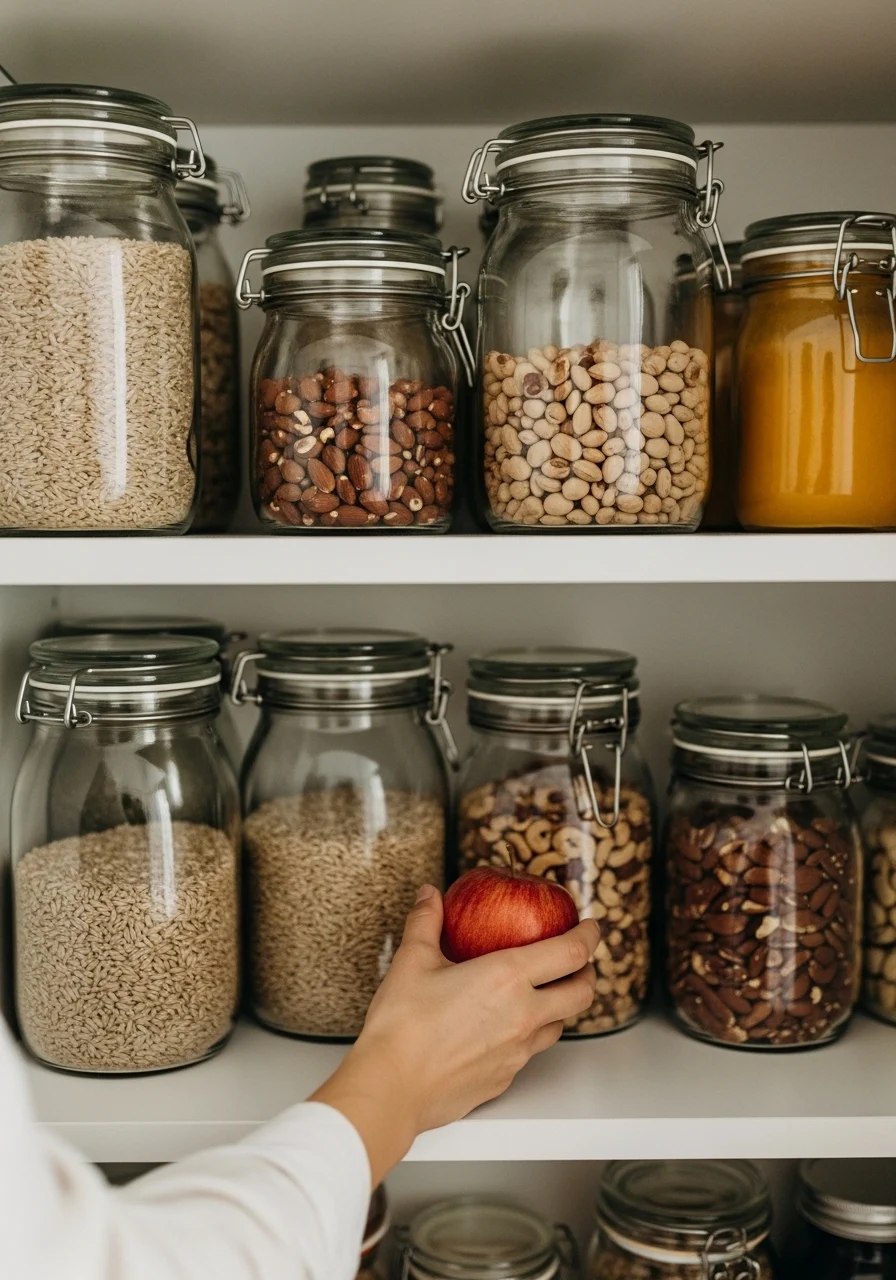
Highly processed foods and added sugars can disrupt the microbiome and lead to digestive discomfort. Reducing these foods steadies your gut environment. Swap sugary snacks for fruit, nuts, or yogurt with fruit. You may notice fewer energy crashes and less bloating. Gradual reductions are easier to sustain than dramatic cuts. This habit supports long-term digestive health and pairs well with fiber, fermented foods, and movement.
Why This Works
- Reduces substances that feed unfriendly microbes
- Lowers sugar-driven digestion spikes
- Improves steady energy and digestion
- Supports balanced meal choices
- Easier to maintain with gradual swaps
Quick Tips
- Read labels for hidden sugars
- Replace soda with sparkling water and lemon
- Keep healthy snacks visible
- Plan treats to avoid cravings
- Swap packaged snacks for whole-food options
8. Practice 5 Minutes of Stress-Busting Breathing

Explanation
Short breathing practices calm the nervous system, which helps digestion. Stress can slow or speed digestion and change gut sensations. Five minutes of deep belly breathing before or after meals supports steady digestion and reduces tension-related discomfort. You may notice less stomach tightness and improved appetite cues. This habit is quick and portable. Use it whenever you feel stressed or as a daily anchor to support gut health alongside diet habits.
Why This Works
- Activates calming parasympathetic response
- Reduces stress-related digestion problems
- Easy, brief, and repeatable
- Improves meal-time relaxation and appetite signals
- Complements other gut-friendly routines
Quick Tips
- Breathe slowly into your belly for 5 minutes
- Try 4-6 second inhales and 6-8 second exhales
- Do breathing before meals or during stress
- Pair with a short walk or stretch
- Use a timer or gentle app for guidance
9. Cook One Gut-Friendly Meal at Home
Explanation
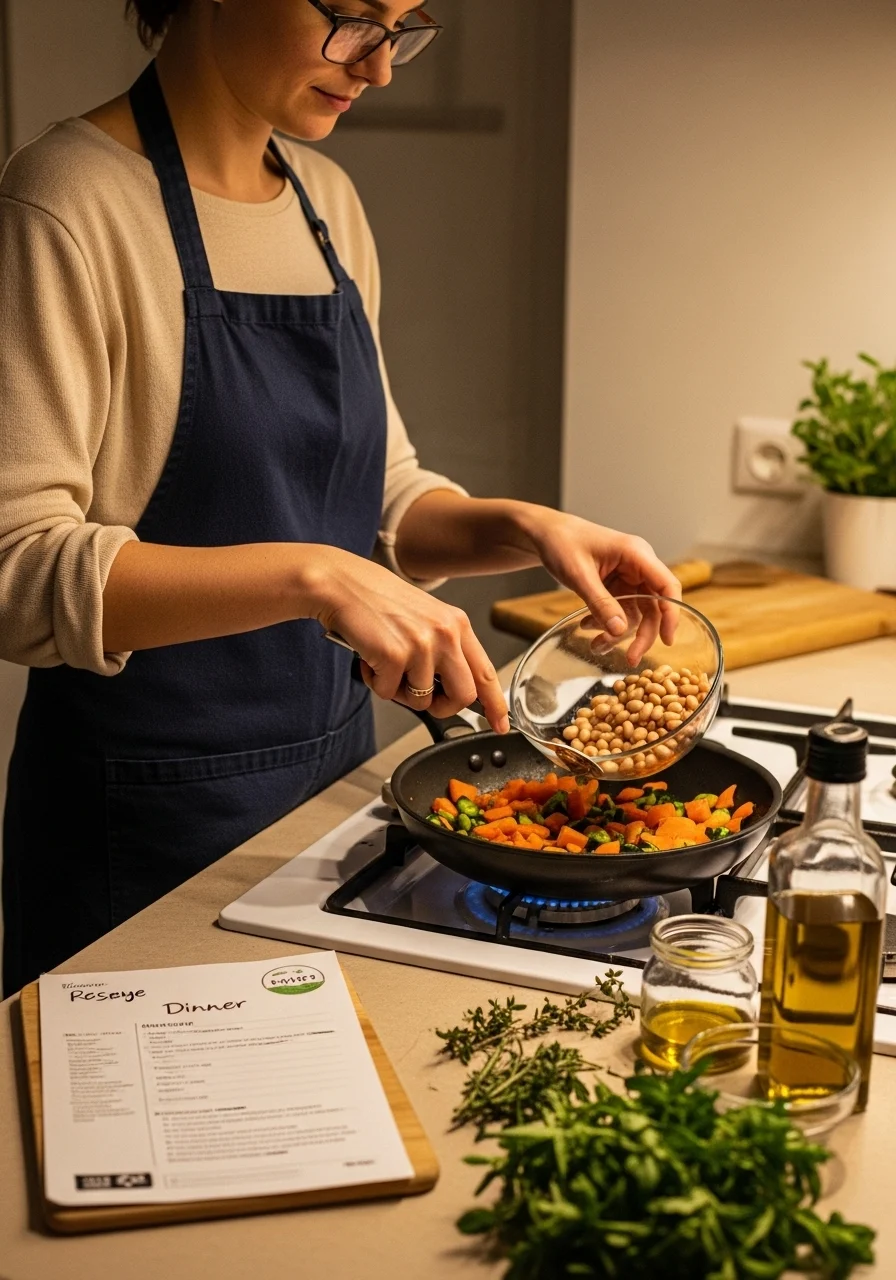
Cooking at home lets you control ingredients and add gut-friendly elements. Aim to cook one balanced meal a day with vegetables, a whole grain, and a source of healthy fats or legumes. Home cooking reduces processed additives and hidden sugars. Over time, regular home meals help normalize portion sizes and improve fiber intake. You may notice steadier digestion and more energy. Start with simple recipes to make this habit sustainable.
Why This Works
- Gives control over ingredients and portions
- Encourages fiber, prebiotics, and fermented sides
- Reduces processed food intake
- Builds a repeatable, nourishing routine
- Makes healthy choices more automatic
Quick Tips
- Batch-cook simple recipes on weekends
- Keep staples like beans and grains ready
- Add a fermented side like yogurt or kimchi
- Use herbs and lemon for flavor instead of salt
- Start with one new recipe per week
10. Slow Down: Chew More, Eat Mindfully

Explanation
Eating slowly and chewing well helps mechanical digestion and reduces bloating. Mindful eating means paying attention to taste, texture, and fullness cues. This habit helps prevent overeating and gives your body time to signal satisfaction. It also reduces gulped air that can cause gas. You may notice meals feel lighter and more satisfying. Practice by putting down utensils between bites and setting a relaxed pace.
Why This Works
- Improves mechanical breakdown of food
- Reduces swallowed air and bloating
- Enhances fullness and appetite awareness
- Simple actions that yield immediate effects
- Pairs well with many gut-friendly habits
Quick Tips
- Put utensils down between bites
- Aim for 20–30 chews per bite for denser foods
- Remove distractions like phones during meals
- Pause halfway to check fullness
- Use a small timer to pace longer meals
You now have ten simple, habit-based ways to improve your gut health naturally. Each one fits into daily life and is easy to try alone or combined. Save or pin this list for quick reference when planning meals, routines, or small habit shifts. Try one habit for a week and notice what changes—small steps often lead to steady improvements. Which habit will you try first?