
You wake up busy and guess you will fit exercise in when there is time. That rarely happens. Small, steady habits beat big bursts of willpower. Fat-Burning Workouts That Actually Work are the ones you can repeat, not dread.
This list focuses on routines you can turn into habits. Each idea fits into daily life, needs simple equipment, and nudges your metabolism over time. Try a few, mix them across the week, and see how your energy and shape shift. You’ll get clear steps, quick benefits, and photos to inspire your next session.
1. Short HIIT Sprint Sessions

- Directly related to Short HIIT Sprint Sessions
- Photorealistic – Pexels/Unsplash style
- No people unless keyword needs it
- No AI aesthetics, no text in image
Short HIIT sprints are 10 to 30 second all-out runs followed by rest. You can do them on a track, treadmill, or hill. Start with five rounds and build to eight or ten. These sessions boost heart rate and create an afterburn effect. You will feel more conditioned and notice quicker calorie burn than steady jogging. Fit them into lunch breaks or early mornings. They require little time and push your body to use more energy during recovery.
Why This Works
- Raises heart rate quickly for high calorie burn
- Increases post-exercise oxygen consumption
- Trains fast-twitch muscle fibers for power
- Short time commitment makes it repeatable
- Improves sprinting and overall conditioning
Quick Tips
- Warm up 5 minutes before sprints
- Start with 5 rounds 1-2 times weekly
- Use walk breaks to recover fully
- Measure intensity by how hard you breathe
- Cool down with light jogging and stretching
2. Tabata 20/10 Bursts
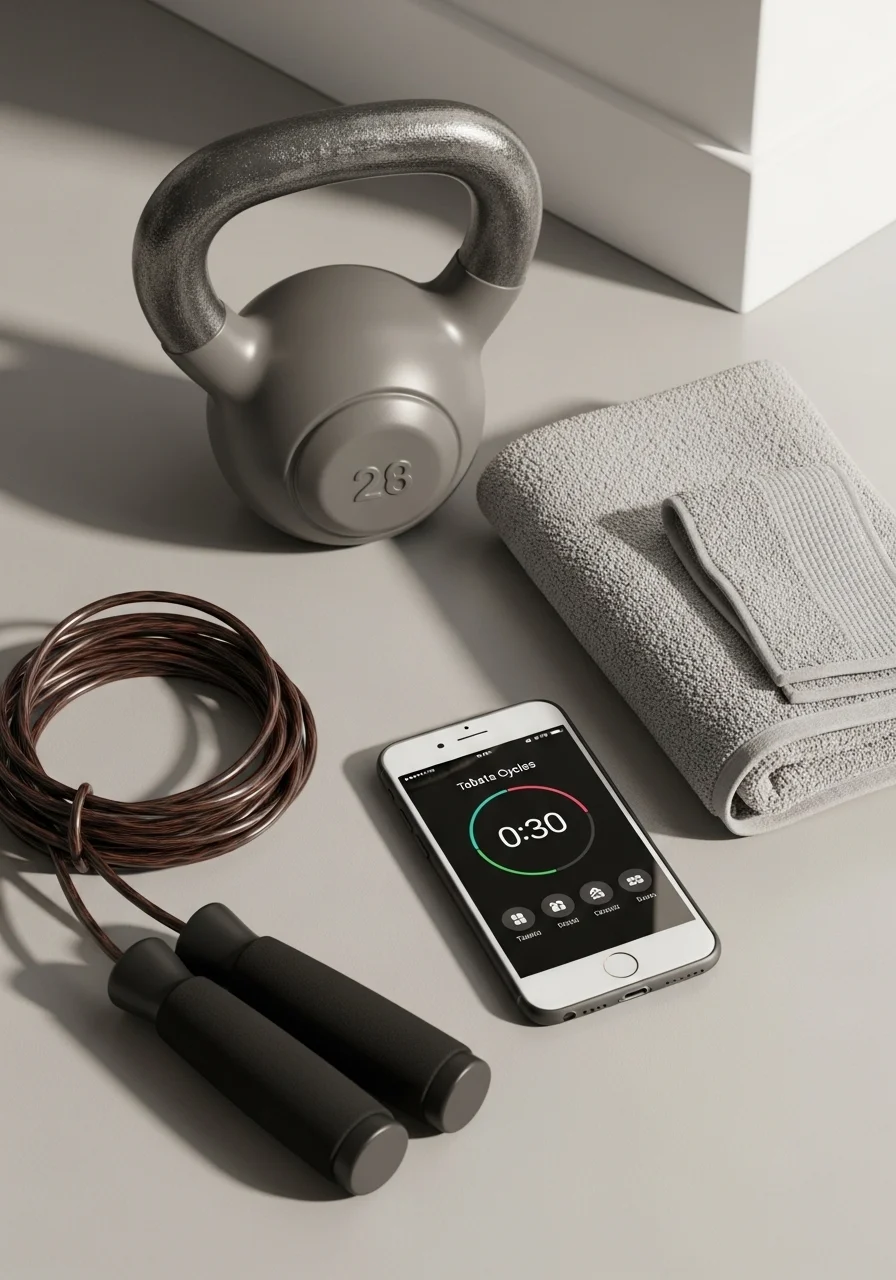
- Directly related to Tabata 20/10 Bursts
- Photorealistic – Pexels/Unsplash style
- No people unless keyword needs it
- No AI aesthetics, no text in image
Tabata uses 20 seconds hard work and 10 seconds rest for 4-minute rounds. You can choose exercises like burpees, squats, or mountain climbers. It fits into a short routine and can be repeated for multiple rounds. This habit trains your body to sustain high intensity and recover quickly. You will gain stamina and burn a lot of calories in little time. Tabata is ideal for busy days when you need a focused, efficient session.
Why This Works
- Maximizes effort in brief windows
- Improves anaerobic and aerobic capacity
- Easy to scale by adding rounds
- Minimal equipment required
- Keeps workouts varied and engaging
Quick Tips
- Pick 2 to 4 moves per Tabata
- Use a timer app for accuracy
- Keep form strict during high effort
- Breathe steadily in rest periods
- Aim for 2 to 3 Tabata sessions weekly
3. Full-Body Circuit Training
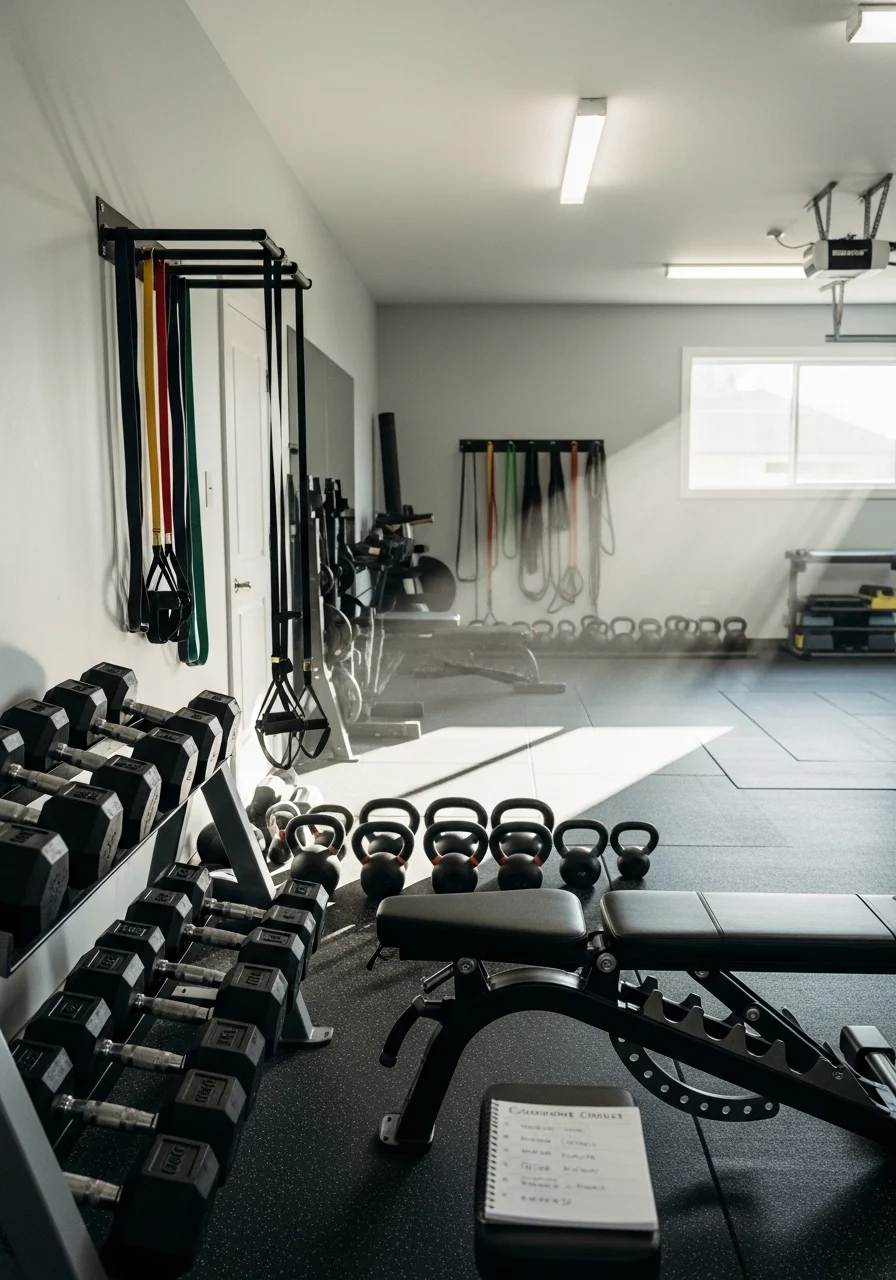
- Directly related to Full-Body Circuit Training
- Photorealistic – Pexels/Unsplash style
- No people unless keyword needs it
- No AI aesthetics, no text in image
A full-body circuit strings 5 to 8 strength and cardio moves with minimal rest. You move from push to pull to lower body to core for balanced work. Circuits keep your heart rate up while building muscle. They are simple to schedule on strength days or rest days with lower load. Over time you will notice better endurance and a tighter midsection. Circuits are flexible; swap exercises to match equipment and time.
Why This Works
- Combines strength and cardio for time efficiency
- Promotes calorie burn during and after workouts
- Builds muscle to support long-term metabolism
- Easy to modify per fitness level
- Keeps sessions engaging and varied
Quick Tips
- Plan 6 stations of 40 seconds on, 20 off
- Alternate upper and lower body moves
- Use compound exercises to save time
- Track rounds to measure progress
- Rest fully if form breaks down
4. Kettlebell Swing Routine
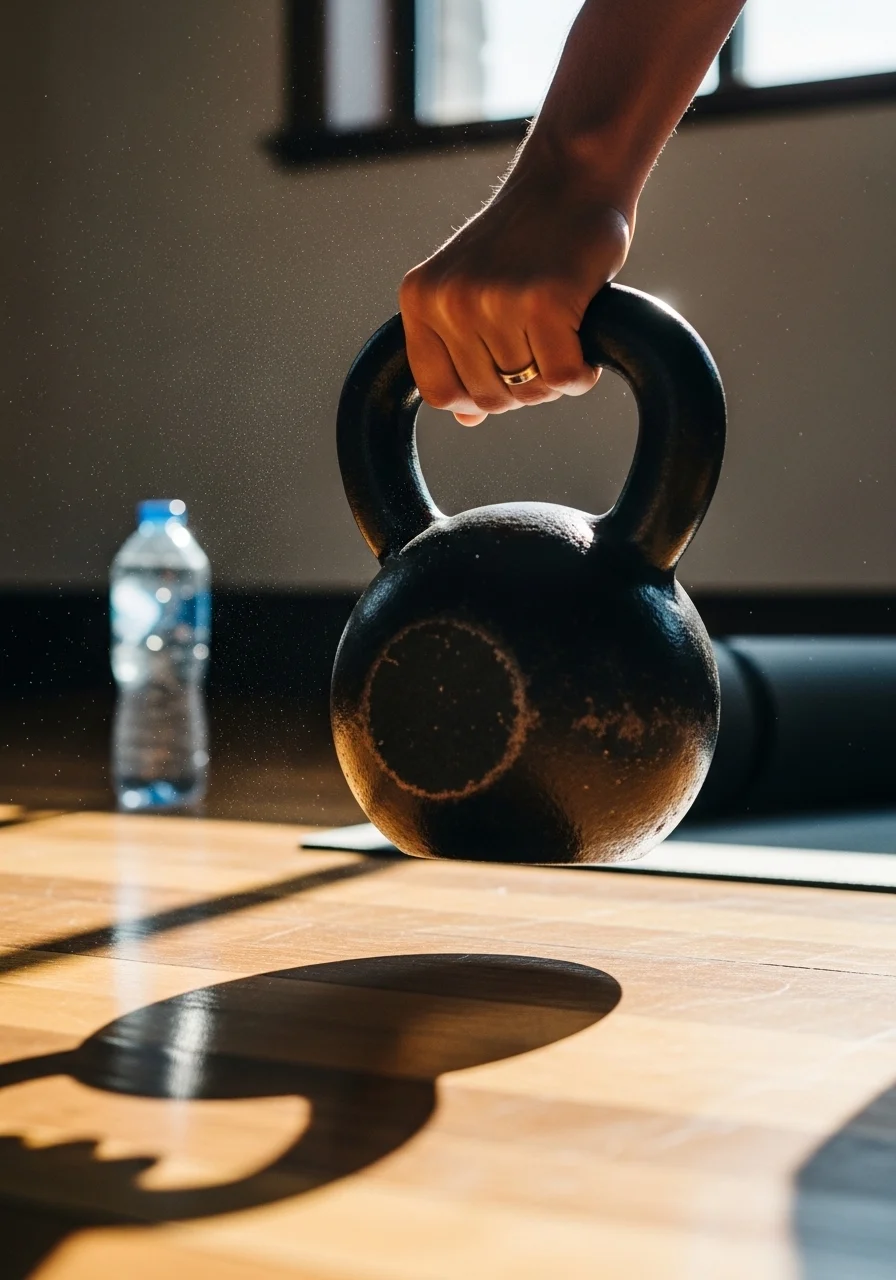
- Directly related to Kettlebell Swing Routine
- Photorealistic – Pexels/Unsplash style
- No people unless keyword needs it
- No AI aesthetics, no text in image
Kettlebell swings use hip drive to move weight in a safe arc. You can do sets of 15 to 30 reps with short rests. Swings target the posterior chain and raise heart rate quickly. Make them a staple twice weekly to build power and calorie burn. With consistent practice you will feel stronger in lifts and see improved posture. Swings are efficient, portable, and easy to add to circuits or standalone sessions.
Why This Works
- Engages large muscle groups for high energy use
- Trains hip hinge for better movement patterns
- Boosts cardiovascular output in short time
- Simple progression with weight or reps
- Works both strength and conditioning
Quick Tips
- Learn hip hinge before increasing load
- Start with 3 sets of 15 reps
- Keep core braced and neutral spine
- Use moderate weight for form practice
- Add swings to circuits for extra burn
5. Jump Rope Intervals
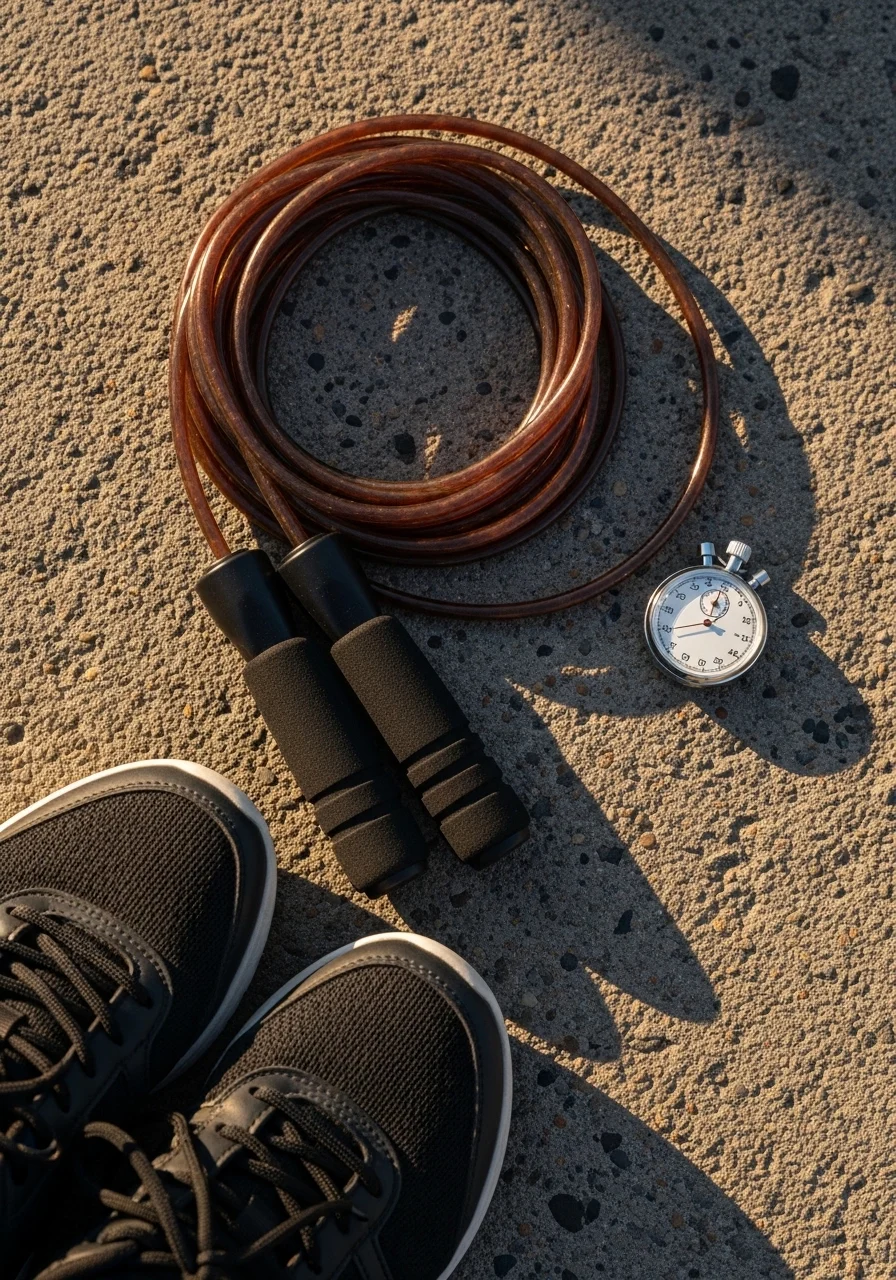
- Directly related to Jump Rope Intervals
- Photorealistic – Pexels/Unsplash style
- No people unless keyword needs it
- No AI aesthetics, no text in image
Jump rope intervals are compact and intense. Alternate 30 to 60 seconds of fast jumping with equal rest. You can do multiple rounds on a porch, park, or gym floor. The rhythm improves coordination while torching calories. Many people find jumping fun, which helps you stick with it. Expect quicker breathing control, lighter feet, and efficient calorie use during short sessions. It’s a simple habit that you can maintain almost anywhere.
Why This Works
- High calorie burn with low setup time
- Enhances coordination and foot speed
- Portable and low cost
- Scales by intensity and duration
- Fits well into short breaks
Quick Tips
- Use cushioned shoes on firm surfaces
- Start with 1 minute on, 1 minute off
- Mix in single-leg or double-unders later
- Keep elbows close and shoulders relaxed
- Warm up ankles and calves first
6. Stair Climber Sets

- Directly related to Stair Climber Sets
- Photorealistic – Pexels/Unsplash style
- No people unless keyword needs it
- No AI aesthetics, no text in image
Stair climbing targets glutes, quads, and calves while elevating heart rate. Use stair steps for timed climbs or intervals. Short hill or stair sets fit into commutes or office breaks. You will notice firmer legs and greater stamina with consistent practice. This method counts as one of the practical Fat-Burning Workouts That Actually Work because it combines resistance and cardio naturally. It’s safe for busy schedules and easy to scale by speed or load.
Why This Works
- Combines resistance with cardiovascular effort
- Strengthens lower body while burning calories
- Easy to access in many environments
- Short sessions deliver solid results
- Very scalable by pace or steps per minute
Quick Tips
- Use 30 to 60 second stair sprints with rest
- Take stairs two at a time for added intensity
- Hold light dumbbells for progression
- Keep chest up and core engaged
- Use handrails only for balance
7. Rowing Machine Sprints
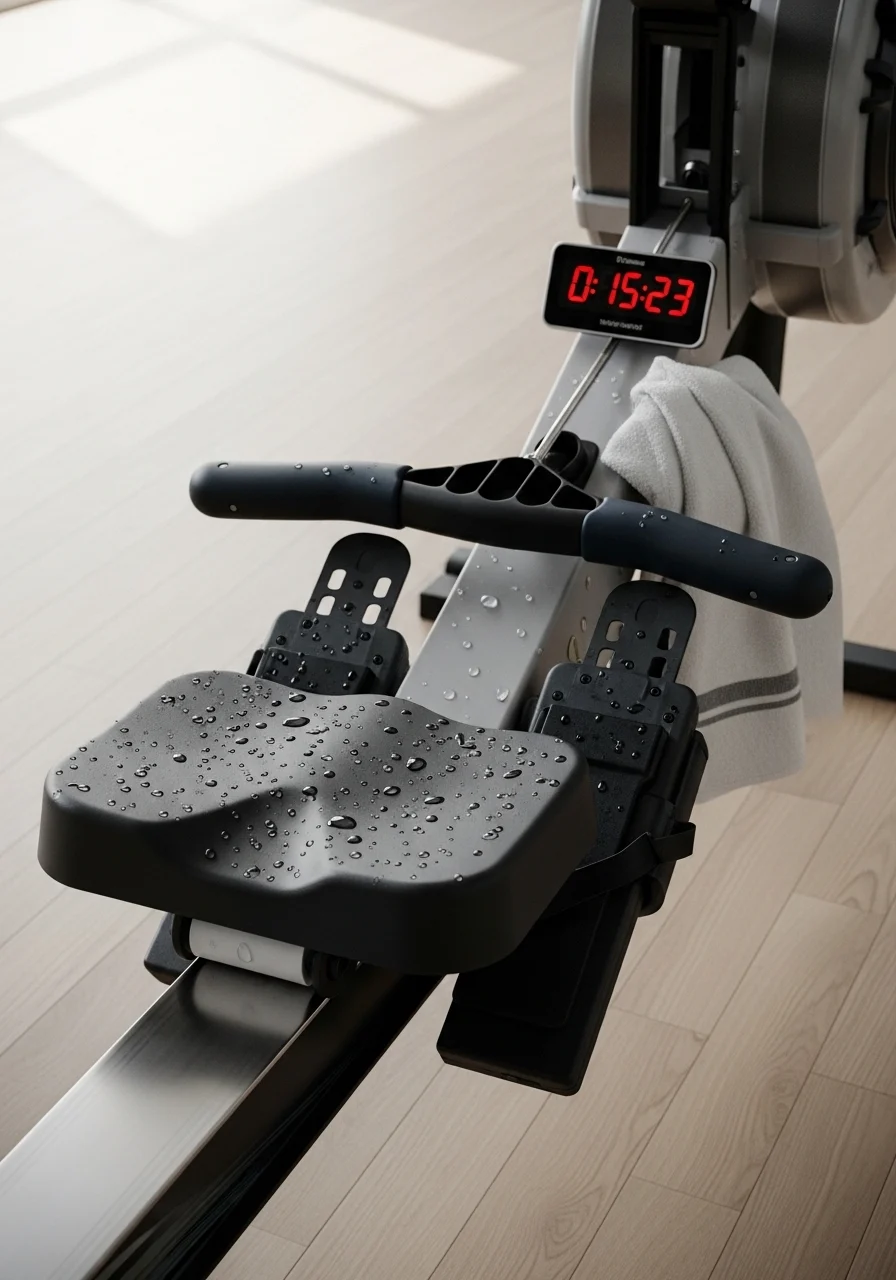
- Directly related to Rowing Machine Sprints
- Photorealistic – Pexels/Unsplash style
- No people unless keyword needs it
- No AI aesthetics, no text in image
Rowing sprints are 20 to 60 second all-out pulls with rest between efforts. The rower works upper and lower body together for efficient calorie burn. You can do blocks of intervals or pyramid sets. Over time you will feel stronger and notice improved endurance. Rows also protect the joints while delivering hard effort, making them a smart choice for recovery weeks. Include rowing in your weekly mix to refresh your routine and maintain intensity without heavy impact.
Why This Works
- Total-body engagement for high metabolic demand
- Low-impact option that still challenges intensity
- Easy to track power and pace
- Improves aerobic and anaerobic fitness
- Suitable for varied fitness levels
Quick Tips
- Focus on powerful leg drive first
- Try 8 x 30 seconds hard with 60 seconds rest
- Monitor pace to avoid burnout
- Keep strap snug and posture tall
- Use rower on alternate high-intensity days
8. Spin Intervals
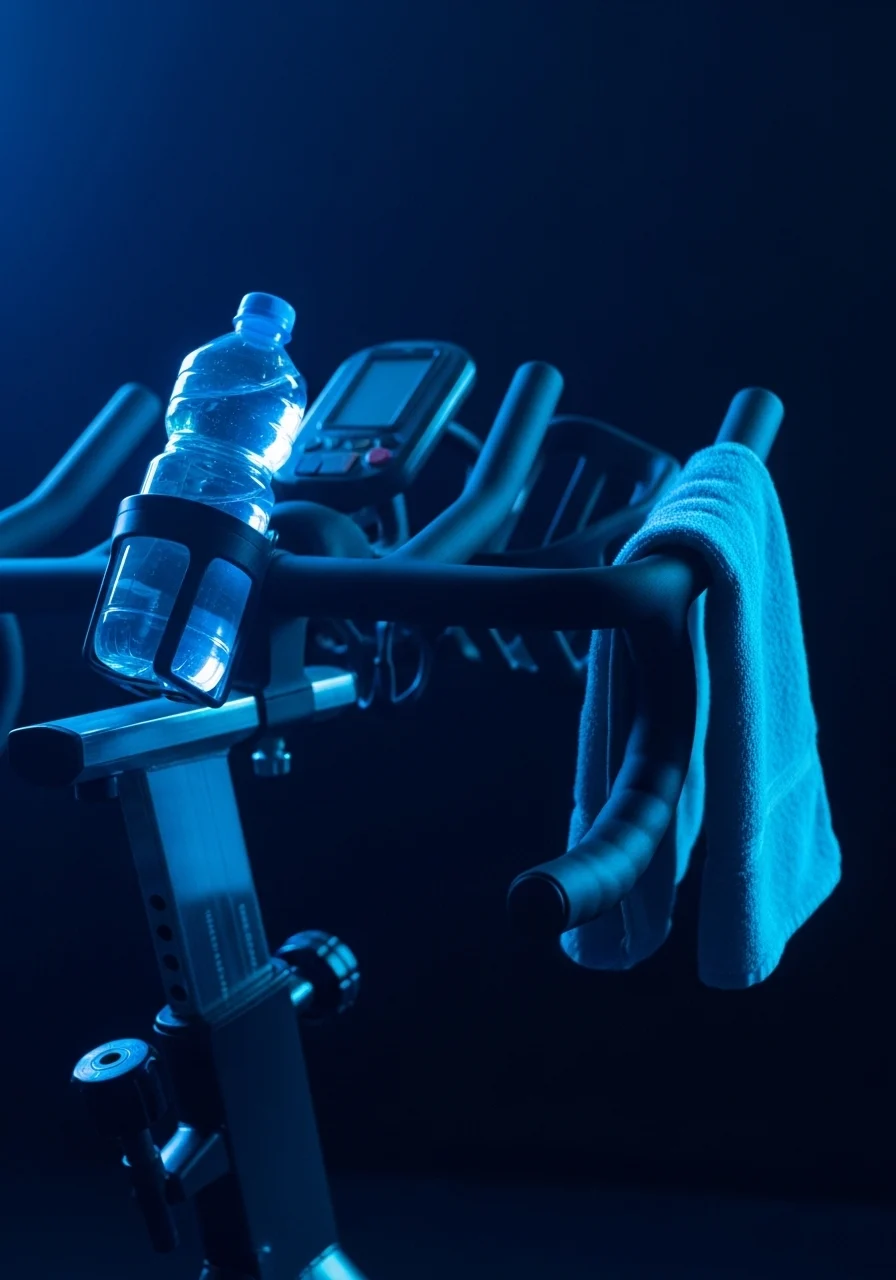
- Directly related to Spin Intervals
- Photorealistic – Pexels/Unsplash style
- No people unless keyword needs it
- No AI aesthetics, no text in image
Spin intervals use heavy resistance and short sprints on a bike. Alternate 30 to 90 second pushes with recovery pedaling. This creates high workload for legs while controlling impact. Spin sessions can be short and intense or longer with varied intervals. Expect improved leg power and sustained calorie burn. Many people find cycling sessions easy to fit into routines and motivating with music. Spin is a reliable entry in Fat-Burning Workouts That Actually Work when done with effort.
Why This Works
- High intensity with minimal joint stress
- Builds leg endurance and power
- Very time-efficient for calorie burn
- Easily measured by cadence and resistance
- Works indoors year-round
Quick Tips
- Use a cadence meter or app to track intervals
- Try 6 x 60 seconds with 2 minutes easy
- Stand occasionally for added challenge
- Hydrate well during sessions
- Mix resistance and speed for variety
9. Compound Strength Days
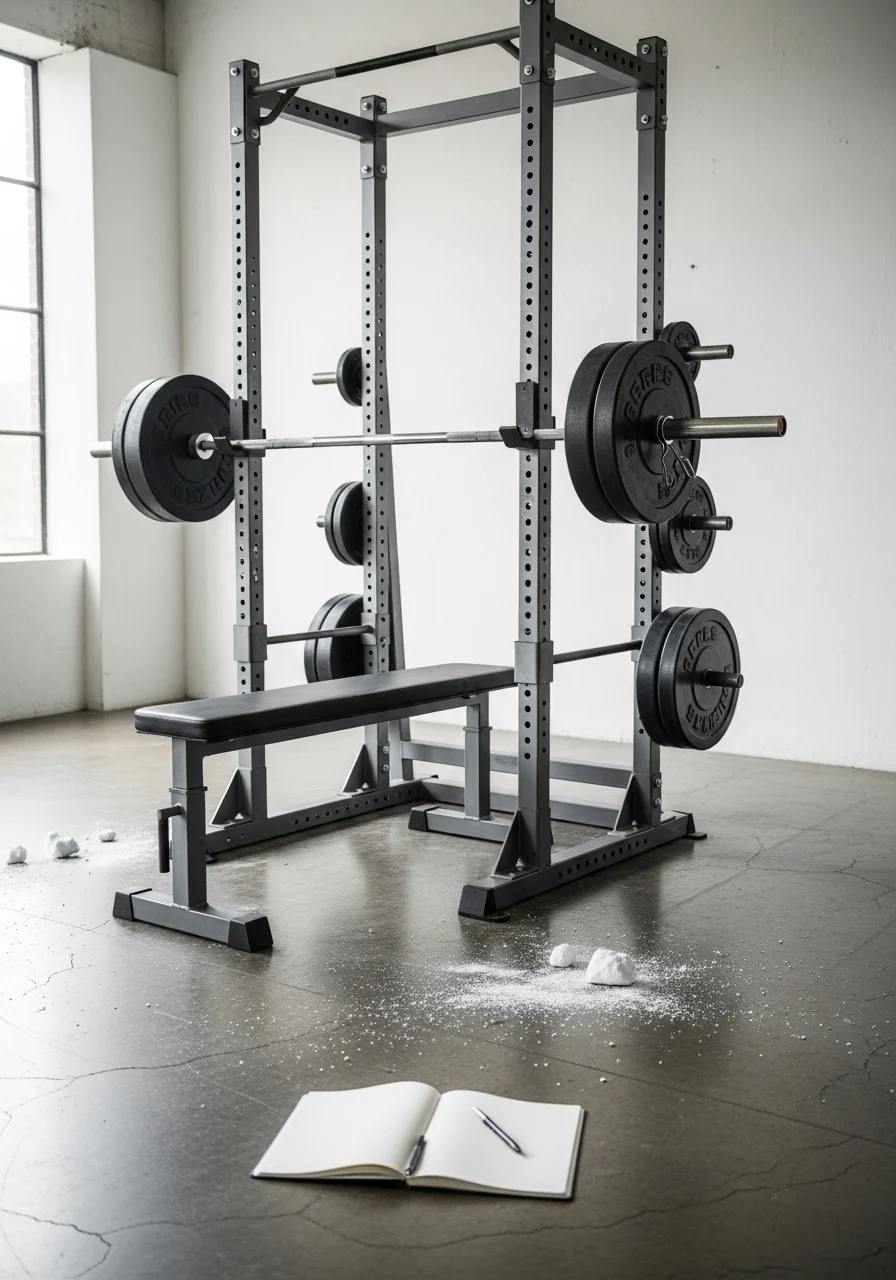
- Directly related to Compound Strength Days
- Photorealistic – Pexels/Unsplash style
- No people unless keyword needs it
- No AI aesthetics, no text in image
Compound lifts like squats, deadlifts, and presses use multiple joints and large muscle groups. Schedule focused compound days twice per week. These moves build strength and muscle mass, which supports a higher resting metabolic rate. You will feel stronger in daily tasks and notice changes in body composition. Compound strength days pair well with cardio intervals and support long-term fat loss. Keep workouts focused on form and steady progression to stay consistent and safe.
Why This Works
- Activates many muscles for high energy use
- Promotes muscle growth and metabolic increase
- Improves functional strength and posture
- Works well with varied weekly plans
- Easy to track progression by weight or reps
Quick Tips
- Start with 3 to 5 compound exercises
- Use 3 to 5 sets of 5 to 8 reps for strength
- Prioritize form over heavier loads
- Rest 2 to 3 minutes between heavy sets
- Pair with mobility work after lifts
10. EMOM Strength + Cardio
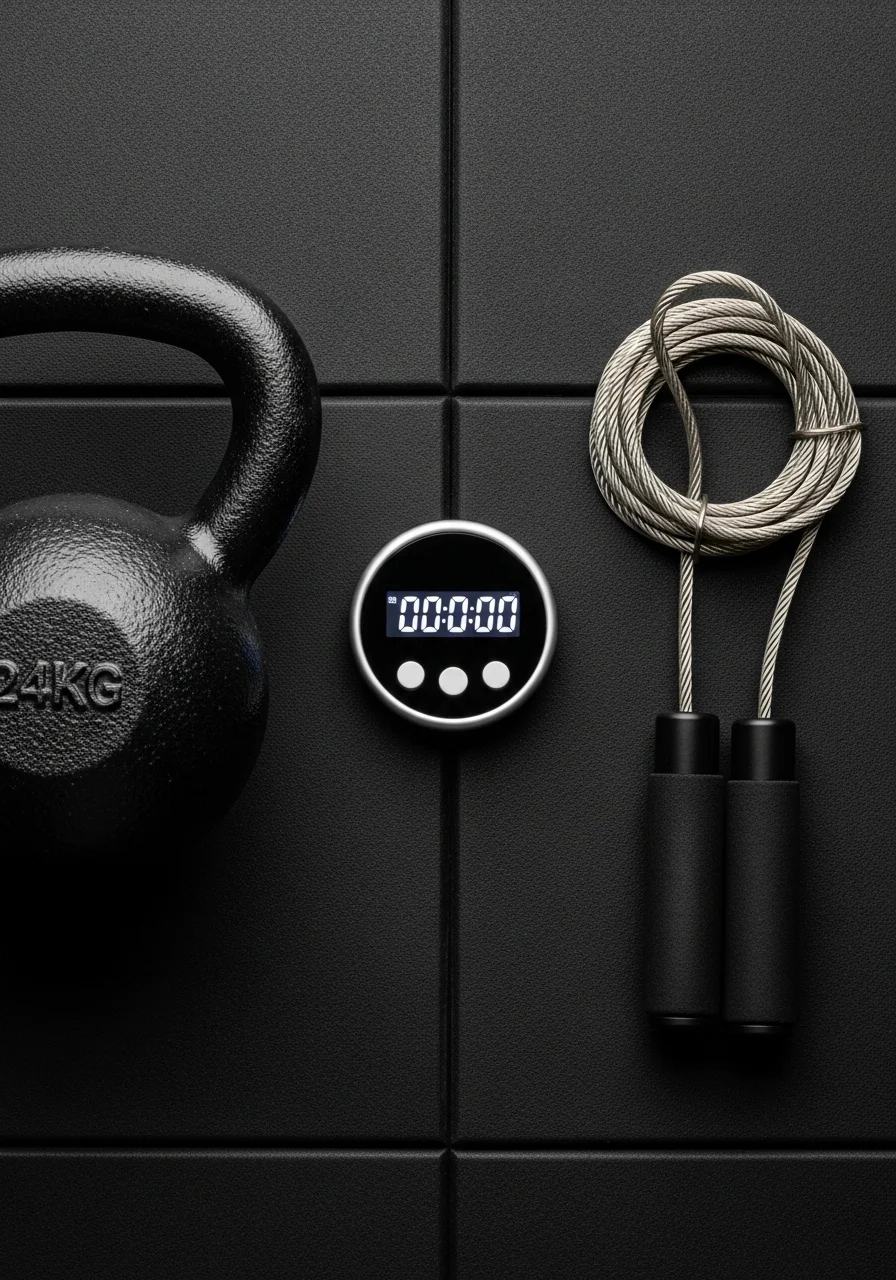
- Directly related to EMOM Strength + Cardio
- Photorealistic – Pexels/Unsplash style
- No people unless keyword needs it
- No AI aesthetics, no text in image
EMOM means Every Minute On the Minute. Perform a set rep range at the start of each minute and use remaining time to rest or do light cardio. For example, 8 rounds of 10 kettlebell swings and rest. EMOMs structure your time and keep intensity steady. You’ll build strength and keep heart rate elevated. This habit is easy to plan and fits short blocks in busy days. EMOMs also help you compare workouts week to week.
Why This Works
- Time-efficient and structured for consistency
- Blends strength with cardio in one session
- Encourages pacing and measured progress
- Minimal equipment needed
- Scales to fitness level by reps or weight
Quick Tips
- Use 10 to 20 minute EMOMs to start
- Pick 1 to 3 movements per minute
- Keep a timer visible or use an app
- Adjust reps to finish early each minute
- Track rounds and reps to measure gains
11. Plyometric Power Sessions
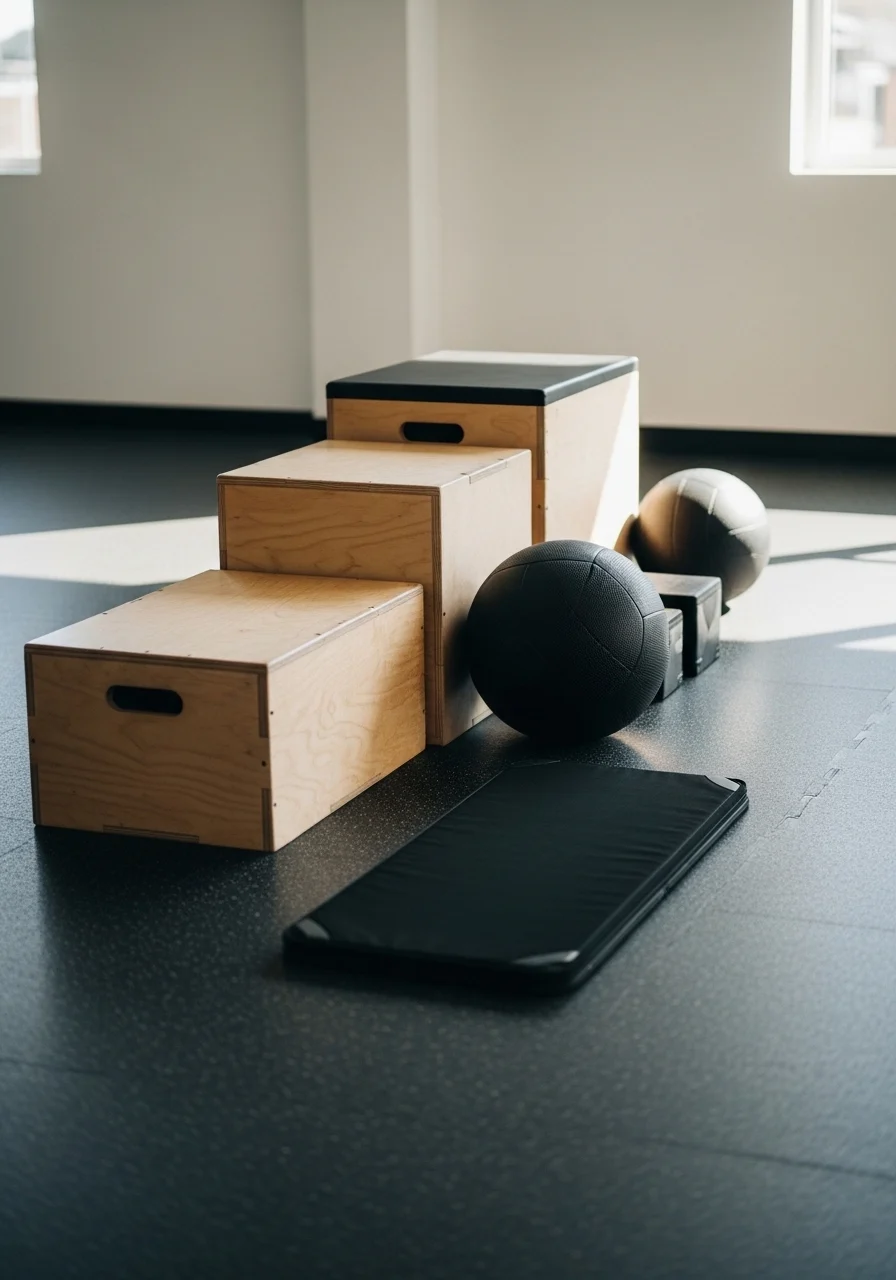
- Directly related to Plyometric Power Sessions
- Photorealistic – Pexels/Unsplash style
- No people unless keyword needs it
- No AI aesthetics, no text in image
Plyometrics include box jumps, clap push-ups, and broad jumps. They train explosive power with short, intense efforts and full recovery. Include plyo sessions once per week with careful warm-up. These drills increase muscle recruitment and speed up calorie use. Over time you will feel more powerful and see better athletic movement. Use light-to-moderate volume at first to reduce injury risk. Plyometrics offer a high-return workout when used strategically in your routine.
Why This Works
- Trains nervous system for powerful movement
- High energy use in short time frames
- Improves athleticism and speed
- Complements strength training well
- Offers varied and fun stimulus
Quick Tips
- Warm up thoroughly with dynamic stretches
- Start with low box heights and fewer reps
- Rest 1 to 2 minutes between max efforts
- Do plyo work on non-leg-heavy days
- Monitor landing technique to protect knees
12. Incline Walking Habit

- Directly related to Incline Walking Habit
- Photorealistic – Pexels/Unsplash style
- No people unless keyword needs it
- No AI aesthetics, no text in image
Walking uphill adds resistance without impact. You can walk inclines outdoors or set a treadmill to incline for periods. Aim for 30 to 45 minutes, or do shorter steep bursts. Incline walking raises heart rate steadily and strengthens glutes and legs. It’s an easy habit to build, fits daily life, and can replace flat walks for more benefit. Expect improved endurance, firmer legs, and consistent calorie use when you prefer lower-impact options.
Why This Works
- Low-impact yet resistance-focused
- Sustainable for daily practice
- Strengthens posterior chain and calves
- Increases calorie burn over flat walking
- Easy to control intensity by incline
Quick Tips
- Start at a 3 to 6 percent incline
- Use poles to increase upper-body engagement
- Aim for 30 minutes most days of the week
- Keep a brisk but sustainable pace
- Add intervals of faster walking uphill
13. After-Dinner Walks

- Directly related to After-Dinner Walks
- Photorealistic – Pexels/Unsplash style
- No people unless keyword needs it
- No AI aesthetics, no text in image
A short walk after dinner aids digestion and slightly boosts calorie burn. Keep it to 15 to 30 minutes at a comfortable pace. This small habit helps reduce evening sitting time and improves sleep when done regularly. It’s a gentle fat-burning habit you can sustain nightly. Over weeks you will notice steadier energy and fewer late-night cravings. After-dinner walks are low effort and easy to pair with family time or podcasts.
Why This Works
- Adds steady daily movement with minimal effort
- Improves digestion and sleep quality
- Reduces overall sedentary time
- Consistent small burns add up over time
- Easy to make into a family or social habit
Quick Tips
- Walk at a relaxed but brisk pace
- Aim for 15 to 30 minutes nightly
- Use this time to unwind, not rush
- Wear comfortable shoes for consistency
- Turn it into a habit with a set cue
14. Morning Movement Ritual

- Directly related to Morning Movement Ritual
- Photorealistic – Pexels/Unsplash style
- No people unless keyword needs it
- No AI aesthetics, no text in image
Start the day with 10 to 20 minutes of movement: dynamic stretches, bodyweight circuits, or a short walk. This ritual primes metabolism and sets an active tone. It’s not about long sessions but consistent activation. You will feel calmer, more energized, and more likely to choose movement later. Morning movement builds a habit that supports other Fat-Burning Workouts That Actually Work because you begin daily with momentum. Keep it simple so you can repeat it every morning.
Why This Works
- Sets a daily active baseline for behavior
- Increases morning energy and focus
- Encourages healthier choices through the day
- Easy to maintain due to short time requirement
- Reduces friction for later workouts
Quick Tips
- Keep a short 10 to 15 minute routine
- Place your mat or shoes by the bed
- Start with gentle mobility if stiff
- Add light cardio or bodyweight moves
- Make it enjoyable with music or sunlight
15. Resistance Band Circuits
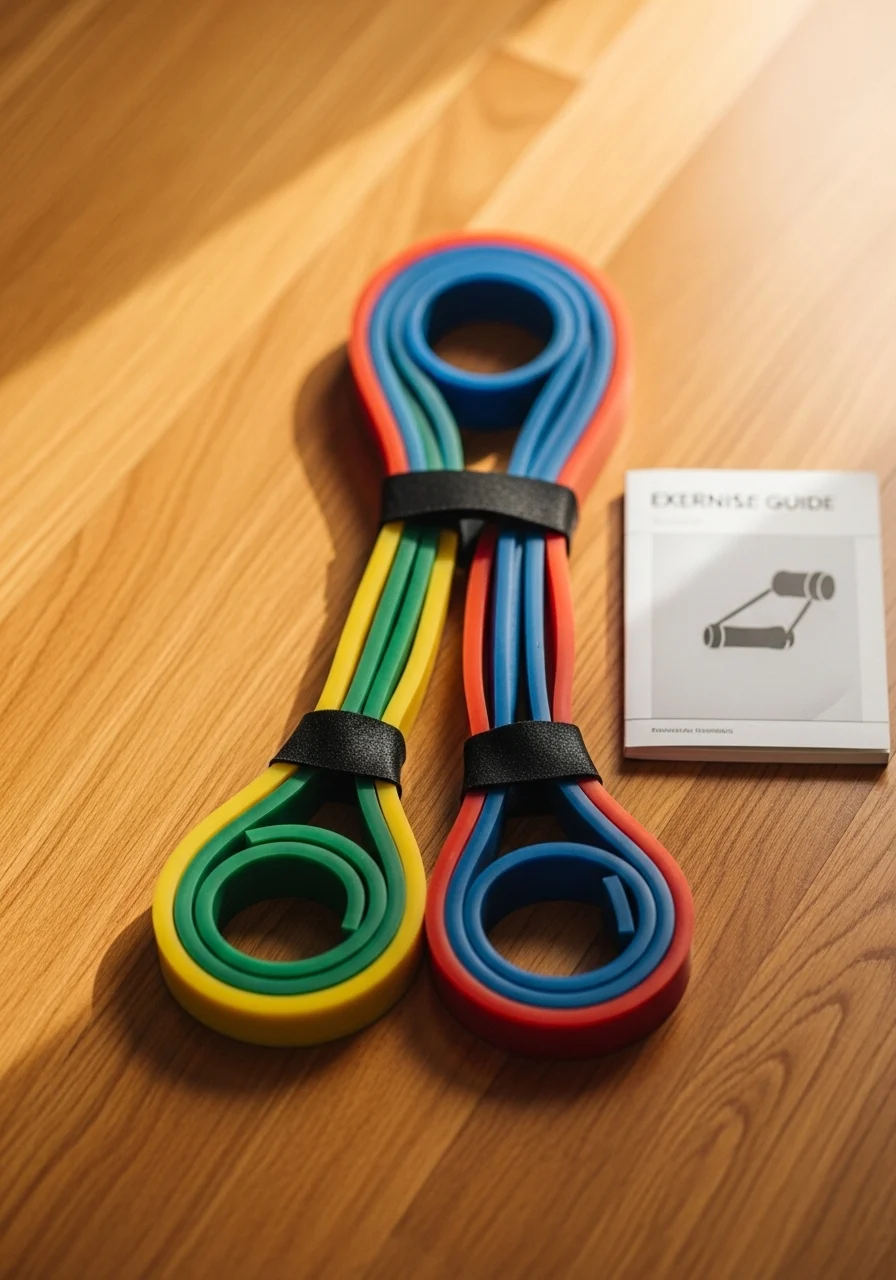
- Directly related to Resistance Band Circuits
- Photorealistic – Pexels/Unsplash style
- No people unless keyword needs it
- No AI aesthetics, no text in image
Resistance bands provide progressive tension for strength moves and circuits. Use them for rows, squats, presses, and glute work in a fast circuit. Bands are portable and easy to store, making workouts more likely. You will gain strength and tone while keeping joints friendly. Bands also let you increase volume without heavy weights. Over time you’ll notice improved muscle definition and easier progression into heavier resistance. Bands make strength work approachable and repeatable.
Why This Works
- Low cost and highly portable
- Allows progressive resistance with less strain
- Easy to mix with cardio circuits
- Great for home and travel workouts
- Encourages consistent resistance training
Quick Tips
- Choose band tensions you can control cleanly
- Do 8 to 12 reps per move in circuits
- Combine 4 to 6 moves for a full circuit
- Rest 60 to 90 seconds between rounds
- Keep a small kit in your bag or drawer
16. Swim Intervals

- Directly related to Swim Intervals
- Photorealistic – Pexels/Unsplash style
- No people unless keyword needs it
- No AI aesthetics, no text in image
Swimming intervals involve fast laps followed by easy recovery laps. Water gives full-body resistance and a low-impact environment. Try 50 to 200 meter sprints with rest depending on fitness. Swims build cardio and muscular endurance without joint stress. Regular swim intervals can help maintain consistent calorie burn while offering variety from land sessions. You’ll notice improved breathing control, smoother movement, and less soreness compared to high-impact workouts.
Why This Works
- Full-body, low-impact conditioning
- High energy use with joint protection
- Builds endurance and controlled breathing
- Easy to adjust distance and pace
- Good complement to strength training
Quick Tips
- Start with 6 to 8 short sprints
- Use pool pace clock or a lap counter
- Mix stroke types for variety
- Use a kickboard for focused leg work
- Stretch shoulders after sessions
17. Farmer Carry Circuits
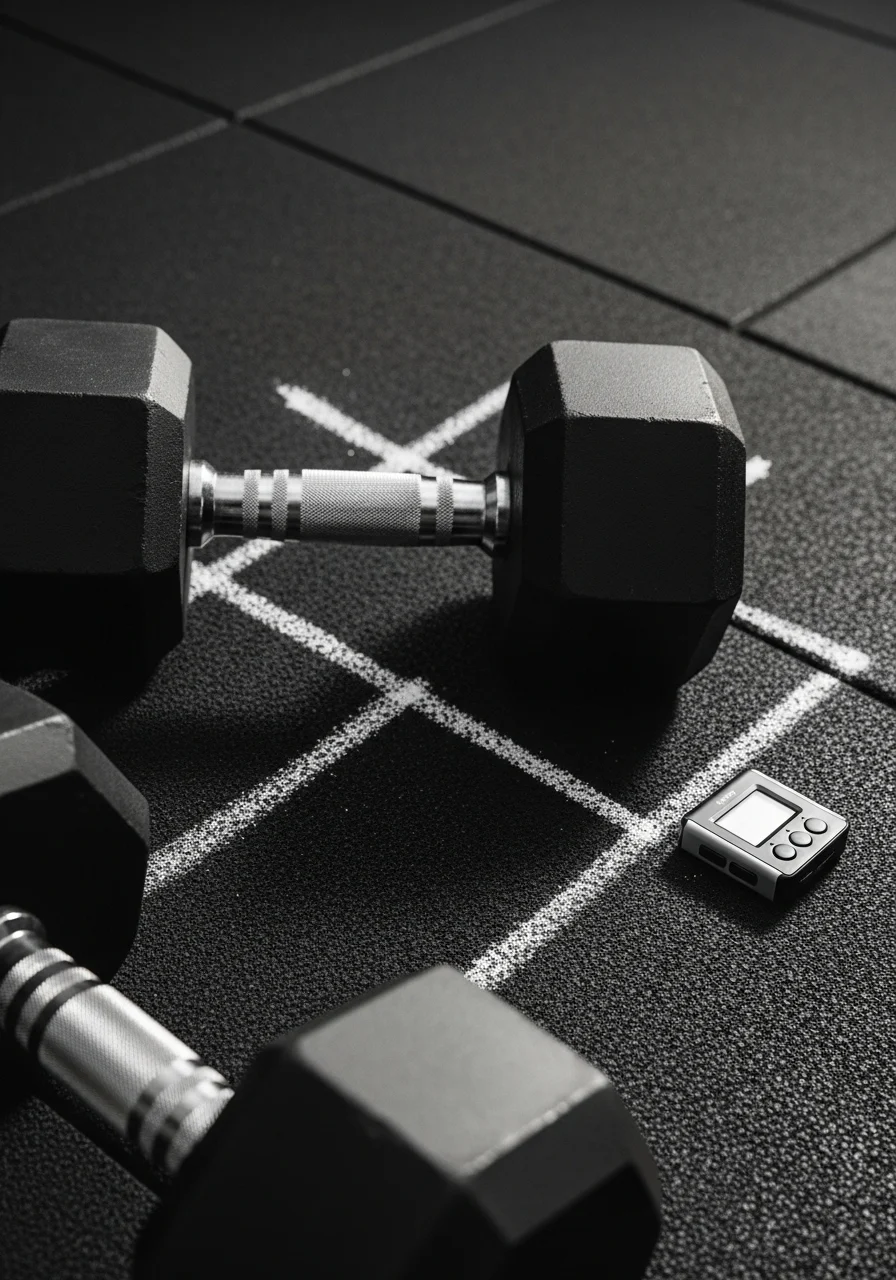
- Directly related to Farmer Carry Circuits
- Photorealistic – Pexels/Unsplash style
- No people unless keyword needs it
- No AI aesthetics, no text in image
Farmer carries involve walking with heavy weights in each hand for time or distance. Add them to short circuits for a strength and conditioning combo. Carries improve grip, core stability, and posture while elevating heart rate. They are simple to perform and translate to daily movement. With regular practice you will feel more stable and notice better endurance for daily tasks. Farmer carries are a practical, time-efficient addition to effective fat-burning routines.
Why This Works
- Trains full-body tension and core strength
- Raises heart rate through loaded movement
- Improves grip and posture
- Easy to scale by weight or distance
- Integrates well into circuits
Quick Tips
- Start with manageable weight and short distances
- Walk tall and keep shoulders back
- Use 30 to 60 second carries in circuits
- Combine with bodyweight moves for rounds
- Rest fully between heavy carries
18. Active Recovery and Mobility Flow

- Directly related to Active Recovery and Mobility Flow
- Photorealistic – Pexels/Unsplash style
- No people unless keyword needs it
- No AI aesthetics, no text in image
Active recovery sessions combine light movement, mobility stretches, and easy cardio like walking or cycling. Do these on rest days to help circulation and reduce soreness. Recovery helps you return to intense Fat-Burning Workouts That Actually Work sooner and with better quality. You will notice less fatigue, better range of motion, and more consistency in your training. Make recovery a non-negotiable habit to protect progress and reduce injury risk.
Why This Works
- Aids muscle repair and mobility
- Keeps blood flowing for recovery without strain
- Reduces pain and stiffness between tough sessions
- Improves long-term consistency and training quality
- Supports higher weekly training volume
Quick Tips
- Include 20 to 40 minutes of light activity on recovery days
- Focus on foam rolling and targeted stretches
- Keep intensity below conversational pace
- Use recovery to address tight areas
- Schedule recovery as part of your week
You now have 18 practical, habit-friendly ideas to choose from. They range from short HIIT sprints to low-impact swim intervals and recovery flows. Save or pin this list to mix and match across your week and turn workouts into steady habits.
Trying one new habit for two weeks can show real change. Most options need little equipment and fit into tight schedules. Which one will you try this week?