
You want workouts that actually fit into real days, not just perfect gym routines on a to-do list. Full body workouts at home solve that by giving you efficient sessions that hit strength, cardio, and mobility in one go. You get more movement with fewer minutes and less planning.
Routines matter because small, consistent habits stack into noticeable change. These full body workouts are simple to slot into mornings, lunch breaks, or evenings. You’ll gain energy, better posture, and a stronger baseline for other activities. Pin the ideas you like and try one this week to see how easy at-home fitness can be.
1. 20-Minute Bodyweight Circuit
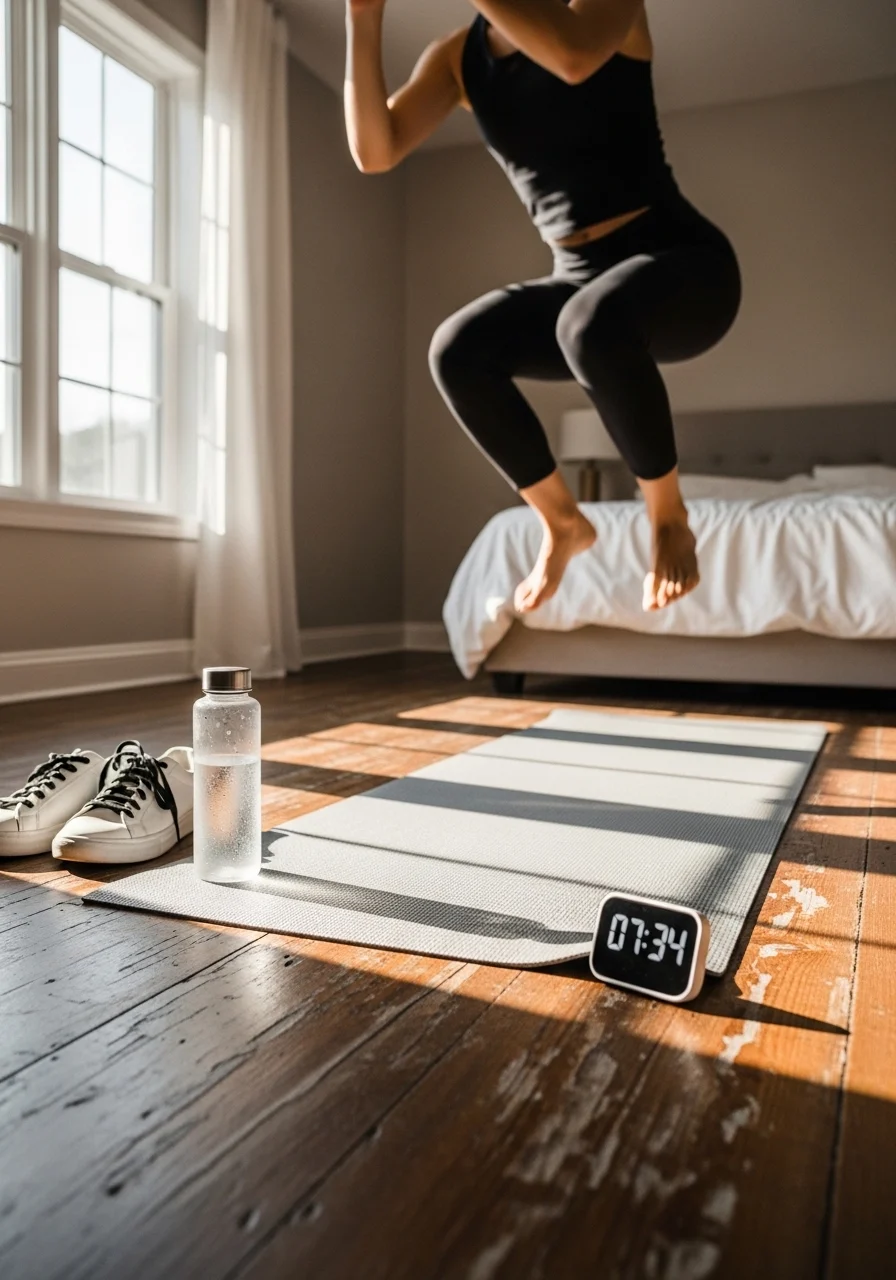
** Explanation (80–100 words): **
This 20-minute bodyweight circuit is a compact option you can do without equipment. Rotate squats, push-ups, plank rows, lunges, and mountain climbers with short rests. You can set a timer for rounds or use rep targets. It fits between meetings or before dinner and requires only a small space. Expect faster breathing, more muscle engagement across your whole body, and better stamina after a few sessions. It’s easy to scale by changing tempo, reps, or rest, so it keeps challenging you as you get stronger.
Why This Works
- Hits major muscle groups in one session
- Low setup makes it easy to repeat daily
- Builds endurance and strength together
- Encourages consistent movement habits
Quick Tips
- Warm up for 3 minutes before starting
- Use 40 seconds work, 20 seconds rest for intensity
- Swap in easier variations as needed
- Track rounds to measure progress
- Cool down with light stretching
2. Morning Mobility + Strength Flow
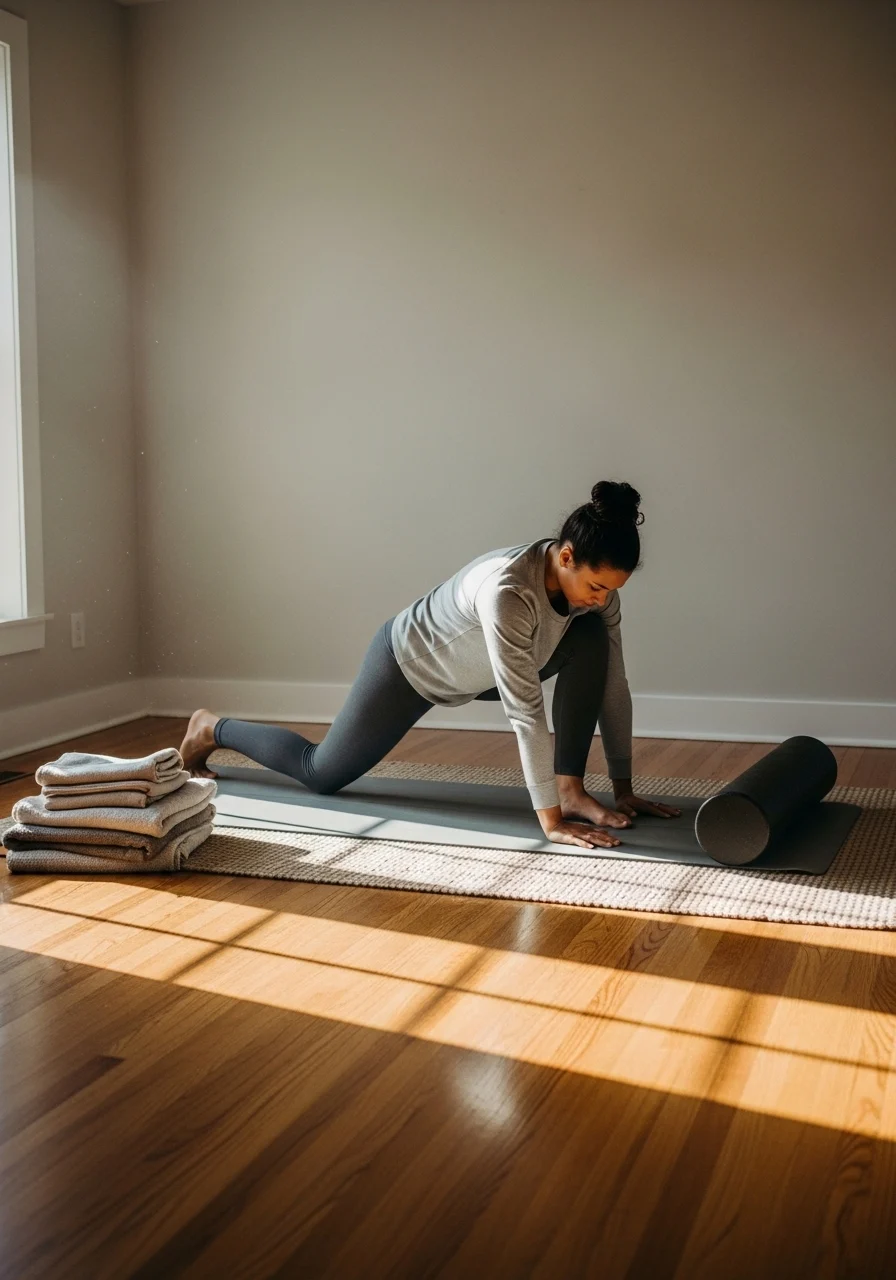
** Explanation (80–100 words): **
Start your day with a mobility-plus-strength flow that combines joint-friendly moves and light resistance. Include hip openers, spinal twists, glute bridges, and slow push-up variations. Use bodyweight or light dumbbells. This routine primes your nervous system and wakes up major muscle groups without overtaxing you. You’ll likely feel less stiffness, more upright posture, and steadier energy throughout the morning. Doing this flow on most mornings creates a habit of gentle movement that supports other full body workouts and daily tasks.
Why This Works
- Improves flexibility and strength together
- Gentle enough for daily practice
- Reduces morning stiffness and aches
- Sets a movement habit early in the day
Quick Tips
- Breathe steadily through each movement
- Focus on controlled tempo, not speed
- Add light weights for progressive overload
- Keep sessions 10 to 25 minutes long
- Roll tight spots briefly after the flow
3. Core-to-Finish Tabata Blast
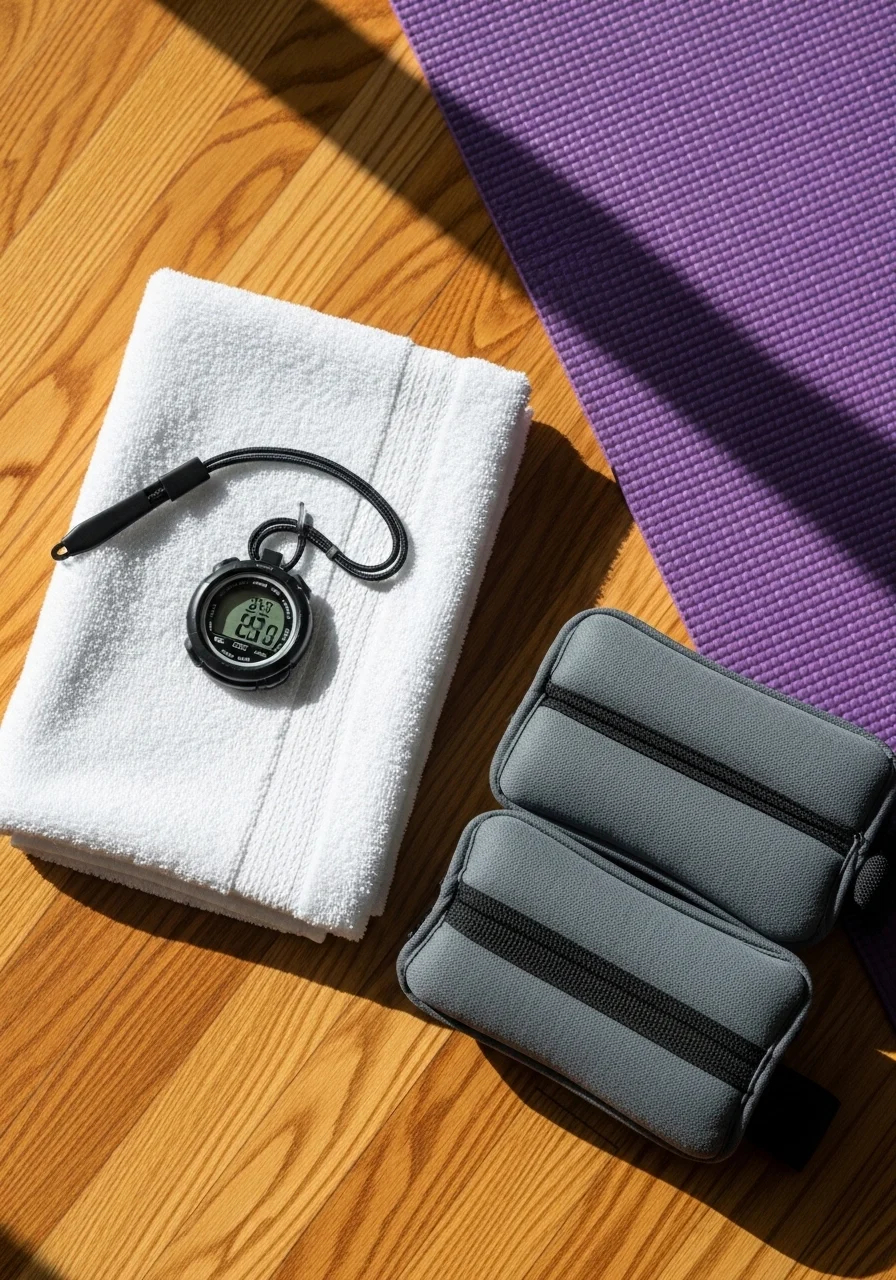
** Explanation (80–100 words): **
Tabata-style intervals deliver high intensity in short bursts. Alternate 20 seconds all-out work with 10 seconds rest for core-focused moves like plank jacks, bicycle crunches, and Russian twists, then finish with a full-body burpee set. The short intervals make this fit into tight schedules while still pushing your heart rate. After a few sessions you should notice improved core endurance and quicker conditioning. Use this blast as a finisher after lower-intensity full body workouts, or as a standalone 10-minute metabolic boost on busy days.
Why This Works
- Maximizes intensity in minimal time
- Trains cardio and core simultaneously
- Boosts metabolic rate post-workout
- Fits into unpredictable schedules
Quick Tips
- Warm up dynamic hips and shoulders first
- Maintain strict form during 20-second work periods
- Modify to plank taps if needed
- Repeat 3 to 6 rounds based on fitness
- Hydrate and cool down after finishing
4. AMRAP Full-Body Challenge
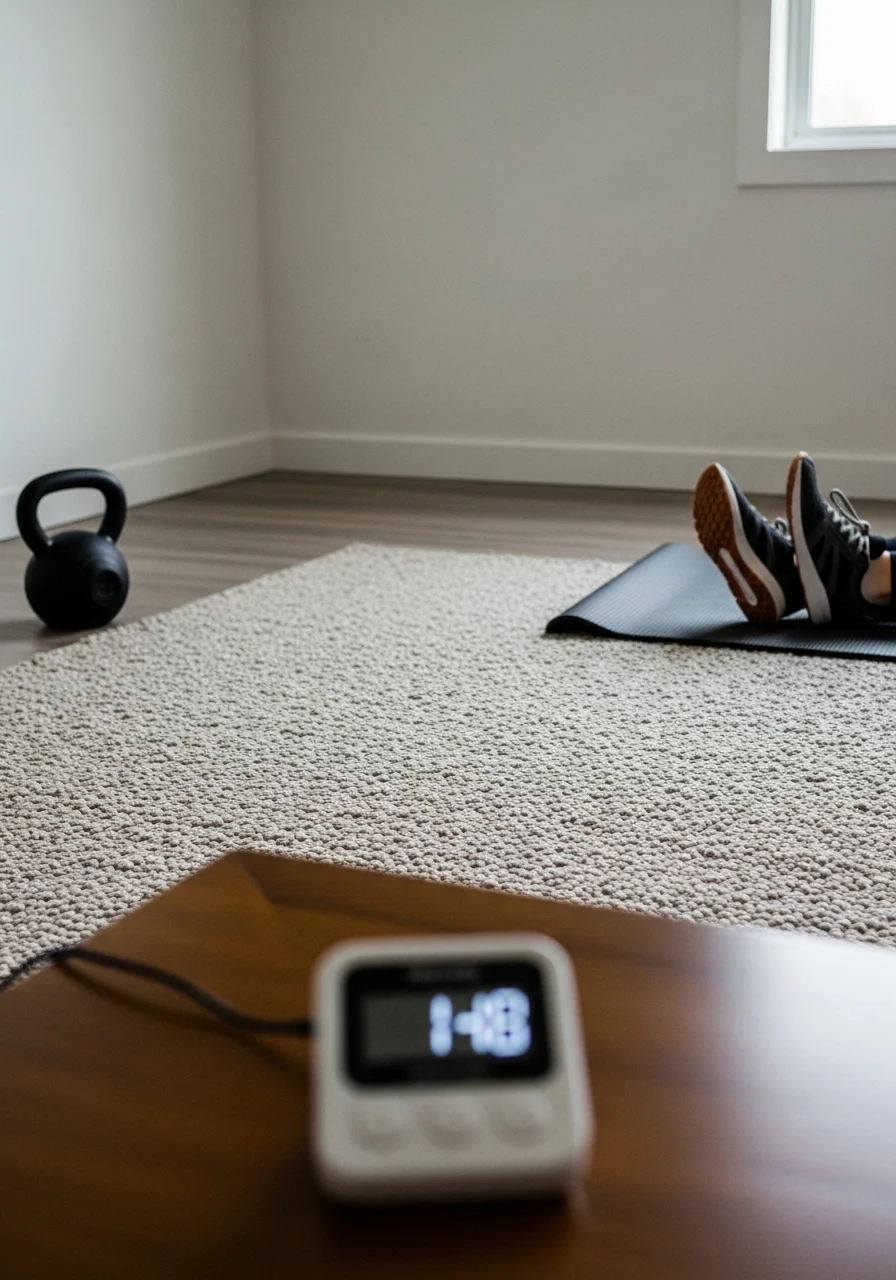
** Explanation (80–100 words): **
AMRAP means “as many rounds as possible” in a set time. Choose 3 to 5 exercises like squats, push-ups, kettlebell swings, and jumping jacks. Set a 15- to 25-minute timer and complete as many rounds as you can with controlled form. This pushes intensity while letting you measure progress by rounds completed. Over weeks, you’ll notice improved stamina, stronger muscles, and better pacing. AMRAP is flexible for full body workouts because you can adjust exercises to match your equipment and energy level.
Why This Works
- Self-paced intensity encourages progression
- Easy to track improvement by rounds
- Balances strength and cardio demands
- Adaptable to any space or gear
Quick Tips
- Pick 4 simple moves to avoid decision fatigue
- Start with a conservative pace to maintain form
- Increase time or reps gradually each week
- Rest briefly between rounds if form suffers
- Cool down and note rounds completed
5. Lower-Upper Superset Combo

** Explanation (80–100 words): **
Supersets pair a lower-body exercise with an upper-body move to keep the heart rate up and cut total time. Try alternating lunges with single-arm rows, or Romanian deadlifts with shoulder presses. Complete 8 to 12 reps per side and repeat for 3 to 4 rounds. This format is efficient and balances muscle fatigue, so you hit the whole body in less time. Over time you’ll gain balanced strength, improved coordination, and a tighter routine for at-home full body workouts that fits into busy days.
Why This Works
- Improves efficiency by training opposing areas
- Keeps workout tempo elevated
- Builds balanced muscular development
- Saves time without dropping quality
Quick Tips
- Choose weights that allow clean reps
- Rest 60 to 90 seconds between superset rounds
- Focus on posture during upper-body moves
- Swap exercises weekly to avoid plateau
- Track sets and weights for progress
6. Plyo Power Cardio Circuit
** Explanation (80–100 words): **
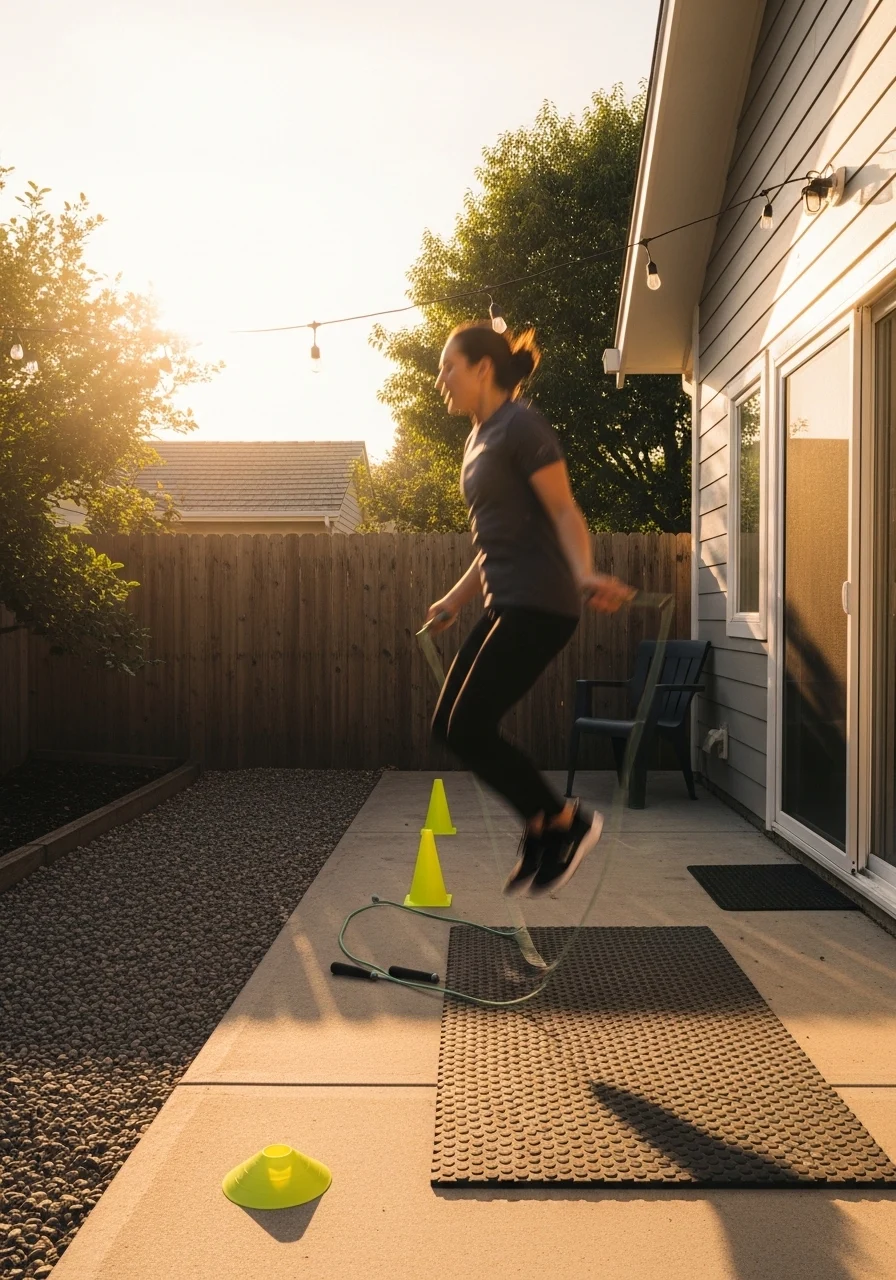
Plyometric moves like jump squats, skater hops, and tuck jumps add explosive power to your full body workouts. Arrange 6 to 8 plyo stations with brief rests between, or mix plyo with strength moves for balance. These circuits burn calories fast and recruit fast-twitch muscle fibers for athletic gains. Expect quicker bursts of speed, improved coordination, and leaner conditioning after consistent sessions. Plyo circuits are best done 2 to 3 times per week and pair well with lower-intensity strength days to avoid overload.
Why This Works
- Trains power and speed alongside endurance
- Intensifies calorie burn in short sessions
- Enhances coordination and agility
- Complements slower strength work for balance
Quick Tips
- Land softly to protect joints
- Start with lower-impact alternatives if needed
- Use 30 to 45 seconds per station initially
- Space out plyo days for recovery
- Warm up hips and ankles thoroughly
7. Slow Tempo Strength Session
** Explanation (80–100 words): **
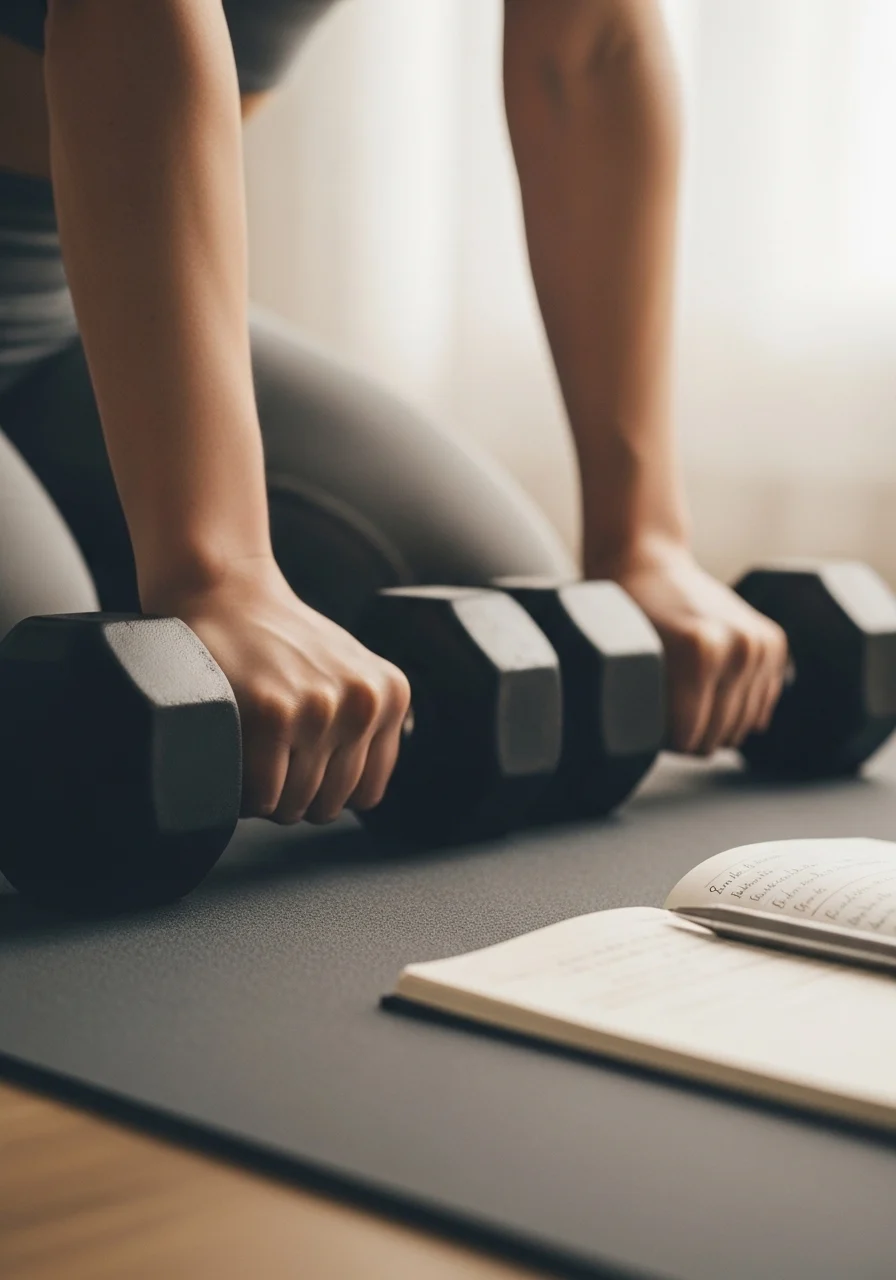
Slowing down each rep increases time under tension and builds strength without heavy loads. Pick compound moves like slow squats, slow push-ups, and controlled glute bridges. Use a 3-5 second descent and 2-second ascent to make light weights feel challenging. This approach fits well into home full body workouts because you don’t need much equipment. Over weeks you’ll notice stronger muscles, better control, and more mindful movement patterns. It’s gentle on joints while still producing measurable strength gains.
Why This Works
- Increases muscle engagement with less weight
- Enhances movement control and form
- Reduces joint stress compared to high load
- Easy to do with minimal gear
Quick Tips
- Count tempo out loud for consistency
- Use a mirror to monitor alignment
- Keep sessions 20 to 35 minutes long
- Progress by increasing tempo or reps
- Pause briefly at the toughest point of each rep
8. Resistance Band Total-Body Set
** Explanation (80–100 words): **
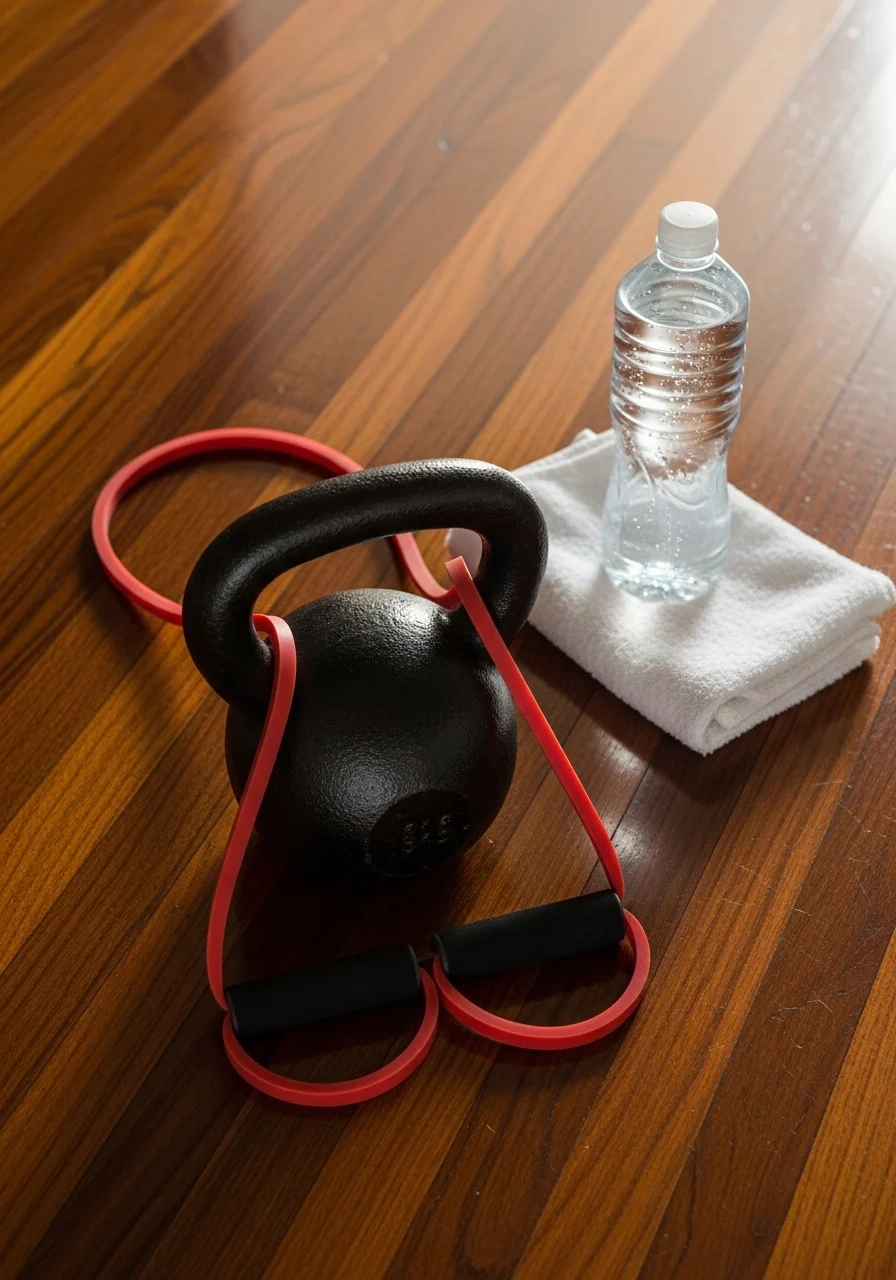
Resistance bands add variable tension and portability to full body workouts. Combine band squats, chest presses, banded rows, and lateral walks for a full routine. Bands are easy on joints and great for progressive resistance as you upgrade band strength. You can use them in small spaces or outdoors. Expect improved muscular endurance, joint stability, and more accessible strength training without heavy equipment. Bands are helpful for beginners and experienced exercisers alike, and they make at-home fitness feel more varied and effective.
Why This Works
- Portable and budget-friendly resistance option
- Adds tension through full range of motion
- Supports joint-friendly strength training
- Simple to scale with different band levels
Quick Tips
- Anchor bands to stable objects when needed
- Keep tension throughout each rep
- Combine band moves with bodyweight for variety
- Replace bands if overly stretched or worn
- Use bands for warm-up mobility sequences
9. Kettlebell Swing + Compound Mix
** Explanation (80–100 words): **
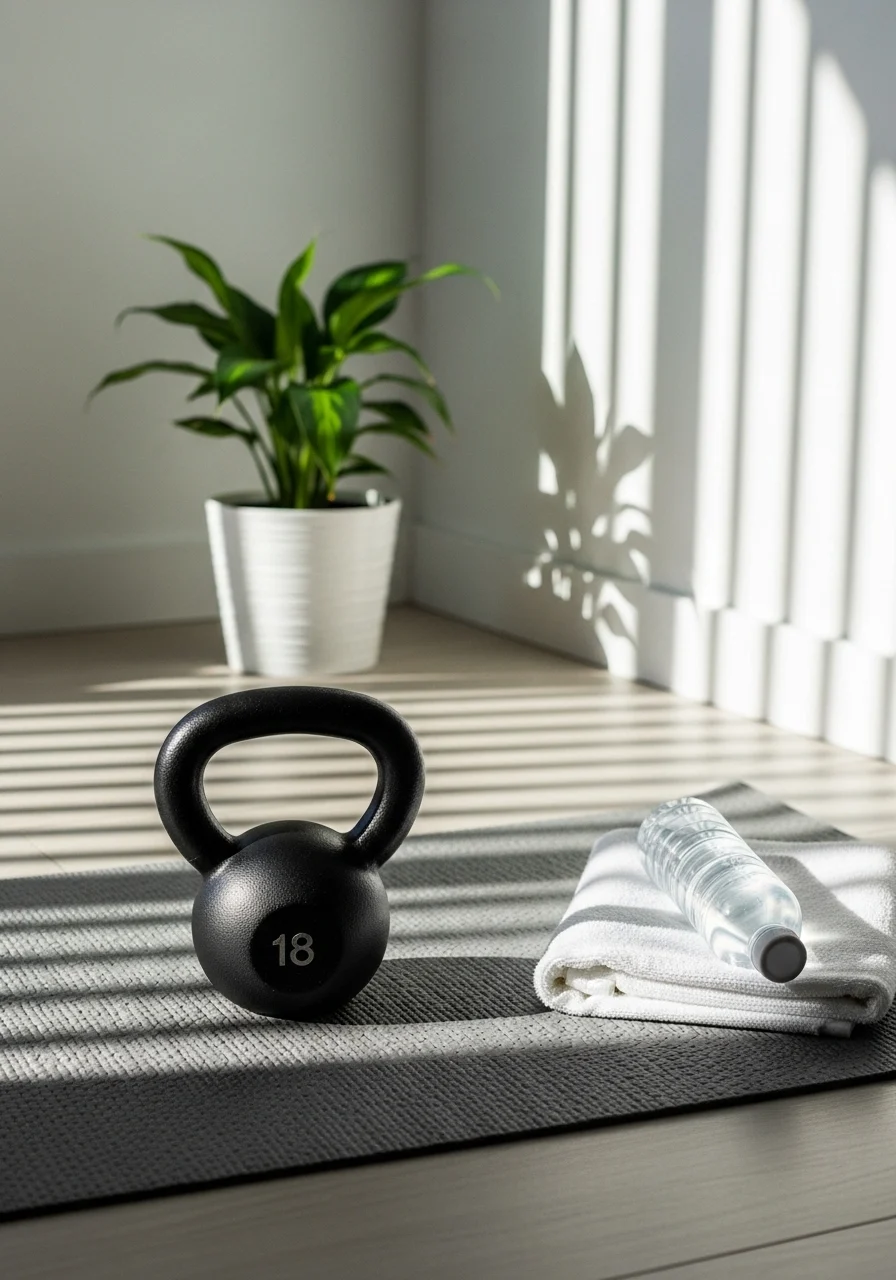
Kettlebell swings are a core move for explosive hip power and full-body coordination. Pair swings with goblet squats, Turkish get-ups, and single-arm rows for a compound mix that hits legs, back, core, and shoulders. This setup is ideal for compact home full body workouts because kettlebells give both strength and cardio stimulus. After regular sessions, you’ll see better posterior chain strength, improved posture, and more efficient calorie burn. Keep technique strict to protect your lower back and get the most benefit.
Why This Works
- Builds posterior chain strength effectively
- Combines strength and cardio in one tool
- Improves hip drive and posture
- Compact equipment for small spaces
Quick Tips
- Learn proper swing form before increasing weight
- Keep a soft bend in the knees, drive hips back and forward
- Use kettlebell flows to shorten transition time
- Start with lighter weight for conditioning sets
- Rest as needed to maintain clean technique
10. Yoga-Strength Fusion Flow
** Explanation (80–100 words): **
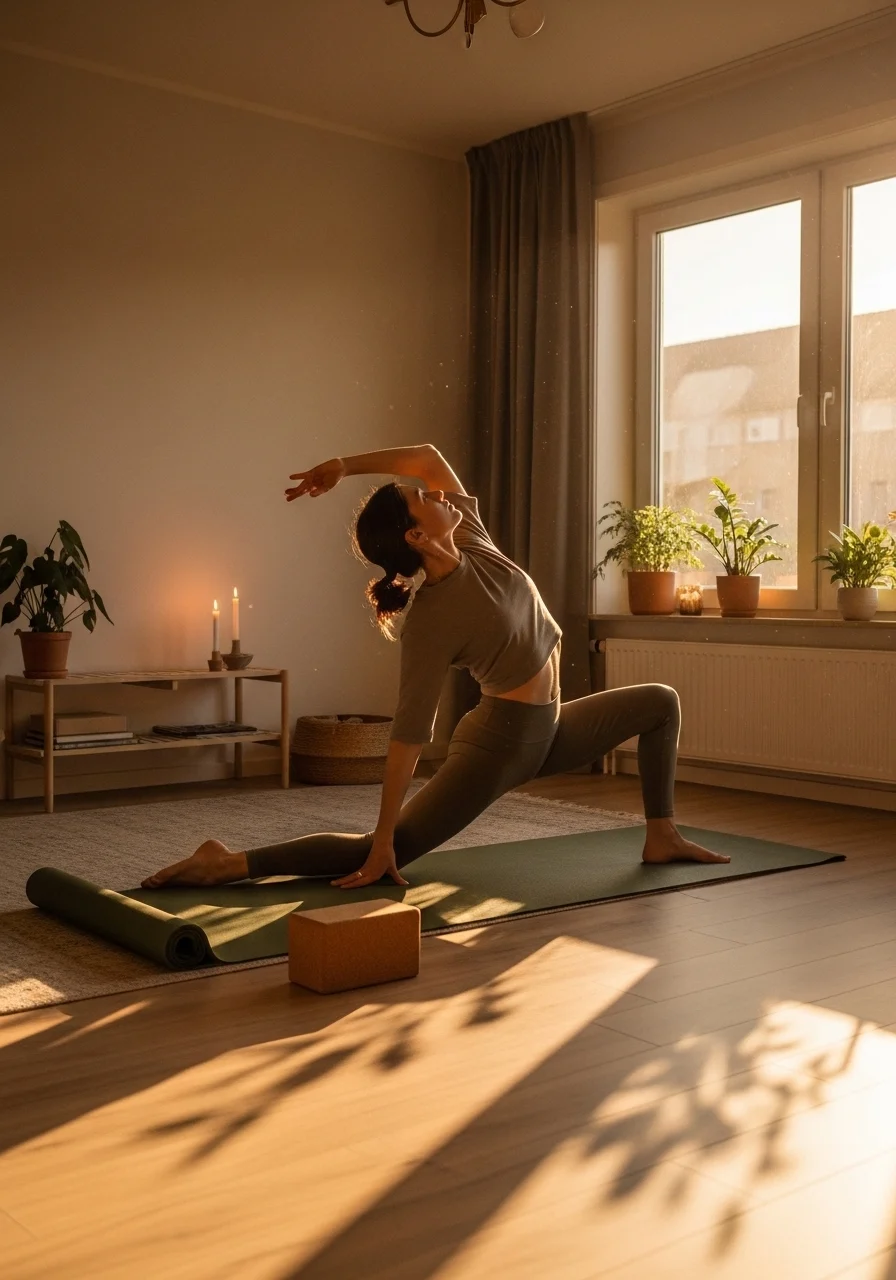
Blend yoga sequences with strength moves for a full body workout that also improves balance and mobility. Alternate sun salutations with chair pose squats, plank shoulder taps, and low lunges. This fusion keeps your heart rate moderate while adding functional strength and better joint range. You’ll likely notice more graceful movement, increased balance, and reduced muscle tension. The format suits home workouts well because props are minimal and the flow adapts to how you feel on any given day.
Why This Works
- Builds strength while improving flexibility
- Encourages mindful movement and breath control
- Less impact, more functional capacity
- Easily tailored to your daily energy level
Quick Tips
- Flow at a steady breath-linked pace
- Use blocks or walls for balance support
- Add light weights to chair poses for challenge
- Keep sessions 20 to 40 minutes depending on time
- Finish with a short breathing practice
11. Staircase Full-Body Burner
** Explanation (80–100 words): **
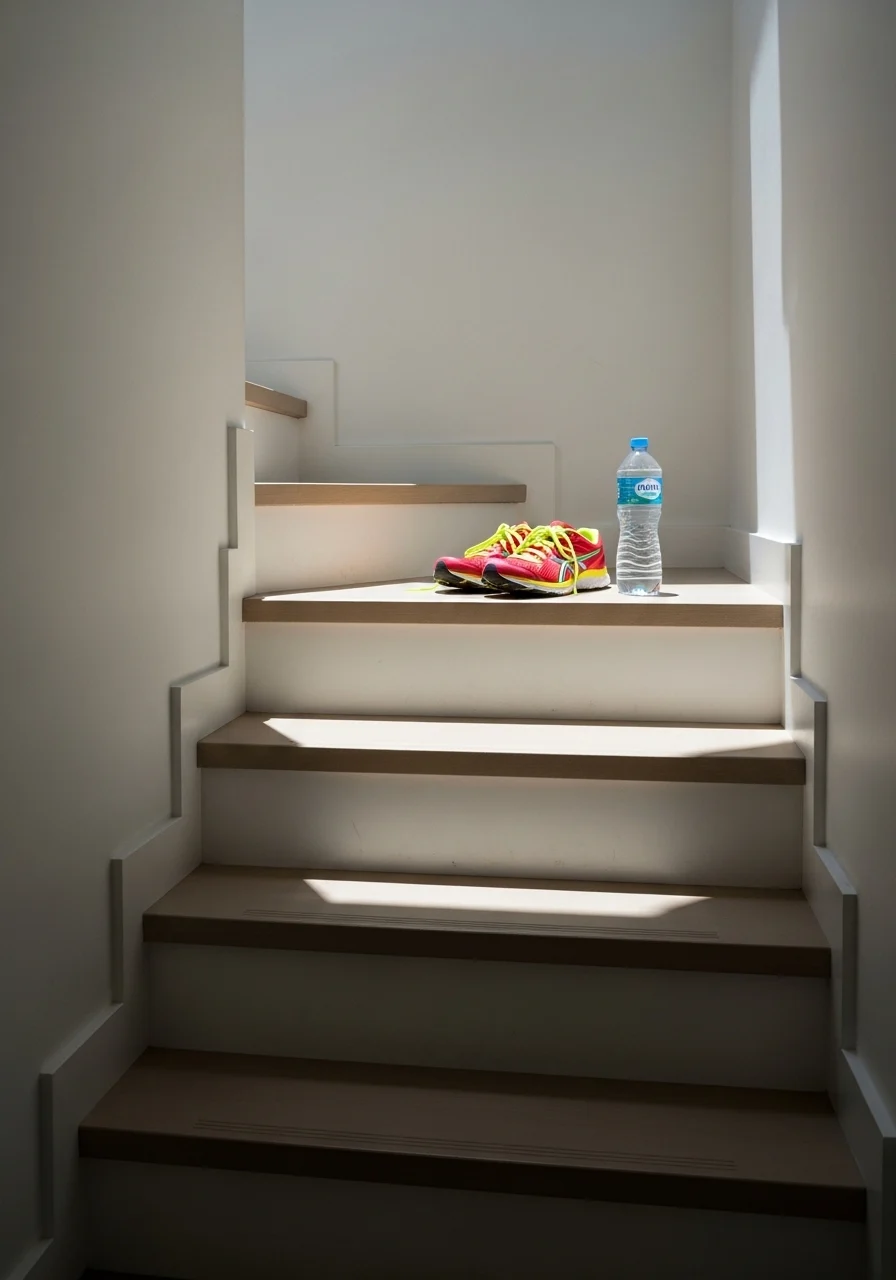
Stairs are a free, simple tool for full body workouts. Combine step-ups, incline push-ups on the bottom step, triceps dips on a landing, and stair sprints. This uses bodyweight and gravity to load muscles in a different plane than floor exercises. Doing multiple rounds builds lower-body strength, cardiovascular fitness, and upper-body endurance. You’ll notice faster breathing control, stronger legs, and more functional stamina for daily activities. It’s a practical at-home option when you have access to a safe staircase.
Why This Works
- Uses everyday architecture for resistance
- Boosts cardio and leg power together
- Minimal equipment and easy to access
- Great for short, effective sessions
Quick Tips
- Ensure steps are dry and clear of obstacles
- Use hand support on steeper climbs if needed
- Alternate single-leg and double-leg moves for balance
- Keep sprints brief for safety
- Pair with a light cool-down for calves and hips
12. Single-Equipment Ladder Workout
** Explanation (80–100 words): **
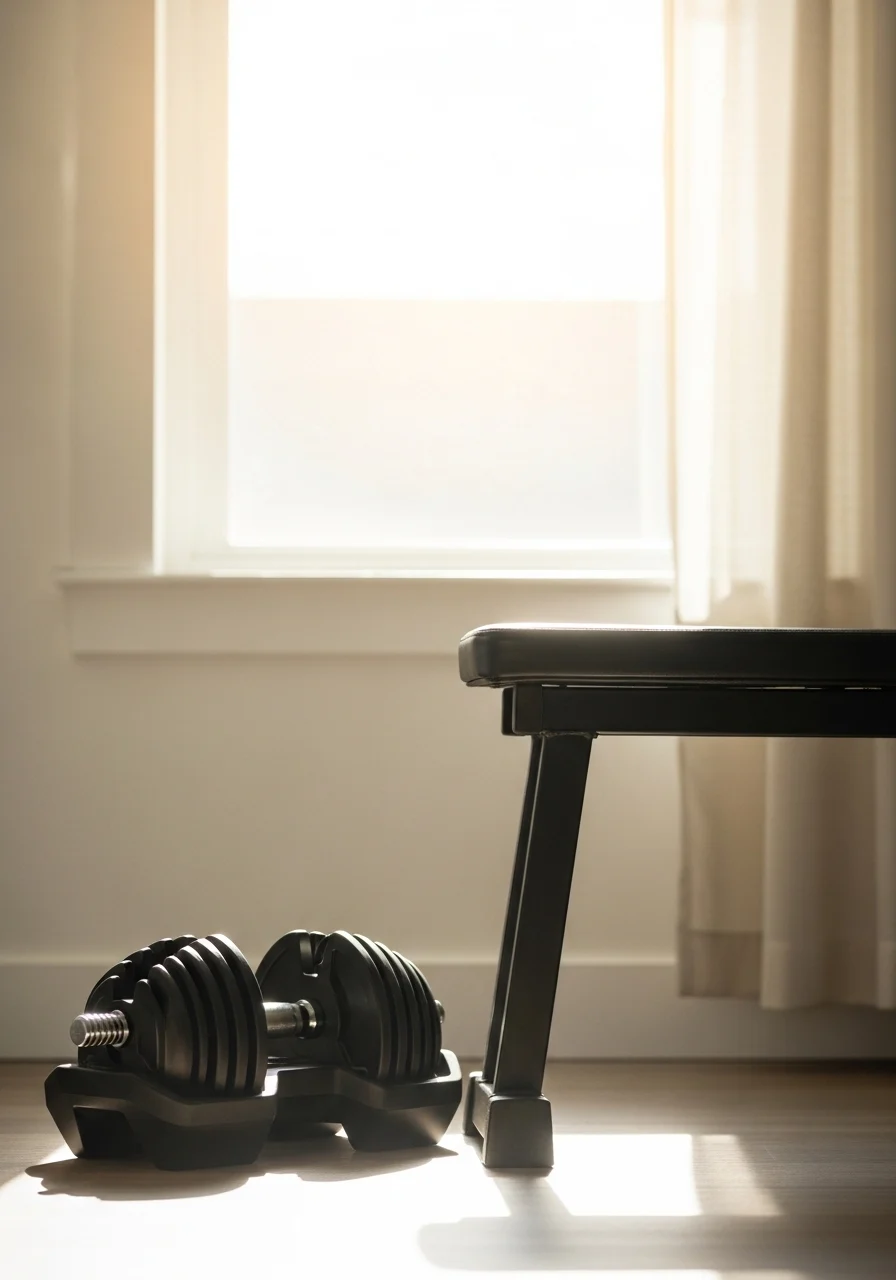
Pick one piece of equipment like a dumbbell and build a ladder workout by increasing then decreasing reps (1-2-3-4-3-2-1). Include moves like goblet squats, single-arm rows, overhead presses, and weighted lunges. The ladder format keeps session structure clear and playful. It works well for home full body workouts because you only need one tool and a little space. Over time you’ll improve muscular endurance, coordination, and the ability to push through mild fatigue with consistent practice.
Why This Works
- Simple structure keeps you focused
- Scalability with one adjustable tool
- Trains strength and endurance together
- Clear measurable progress using reps
Quick Tips
- Choose a weight that challenges but allows clean reps
- Pause briefly at transition points for form checks
- Keep rest short to maintain challenge
- Record your ladder times or total reps
- Use a mat for single-leg moves if needed
13. Family-Friendly Mini Workouts

** Explanation (80–100 words): **
Short, playful workouts let you move with kids or family members while still getting a full body stimulus. Use 10-minute blocks with bodyweight squats, bear crawls, partner plank hand taps, and animal walks. These mini sessions are social and lower pressure, making consistency more likely. You’ll notice better mood, shared activity time, and small strength gains that add up. These full body workouts fit into family life and turn movement into a habit everyone can enjoy together.
Why This Works
- Encourages movement with social support
- Lowers barriers to consistent exercise
- Builds functional strength in short bursts
- Makes fitness family-friendly and fun
Quick Tips
- Keep moves simple and safe for kids
- Use a timer for structured mini-sessions
- Celebrate small wins to build habit momentum
- Rotate activities to keep interest high
- Combine with outdoor play when possible
14. Desk-to-Door Quick Reset Routine
** Explanation (80–100 words): **
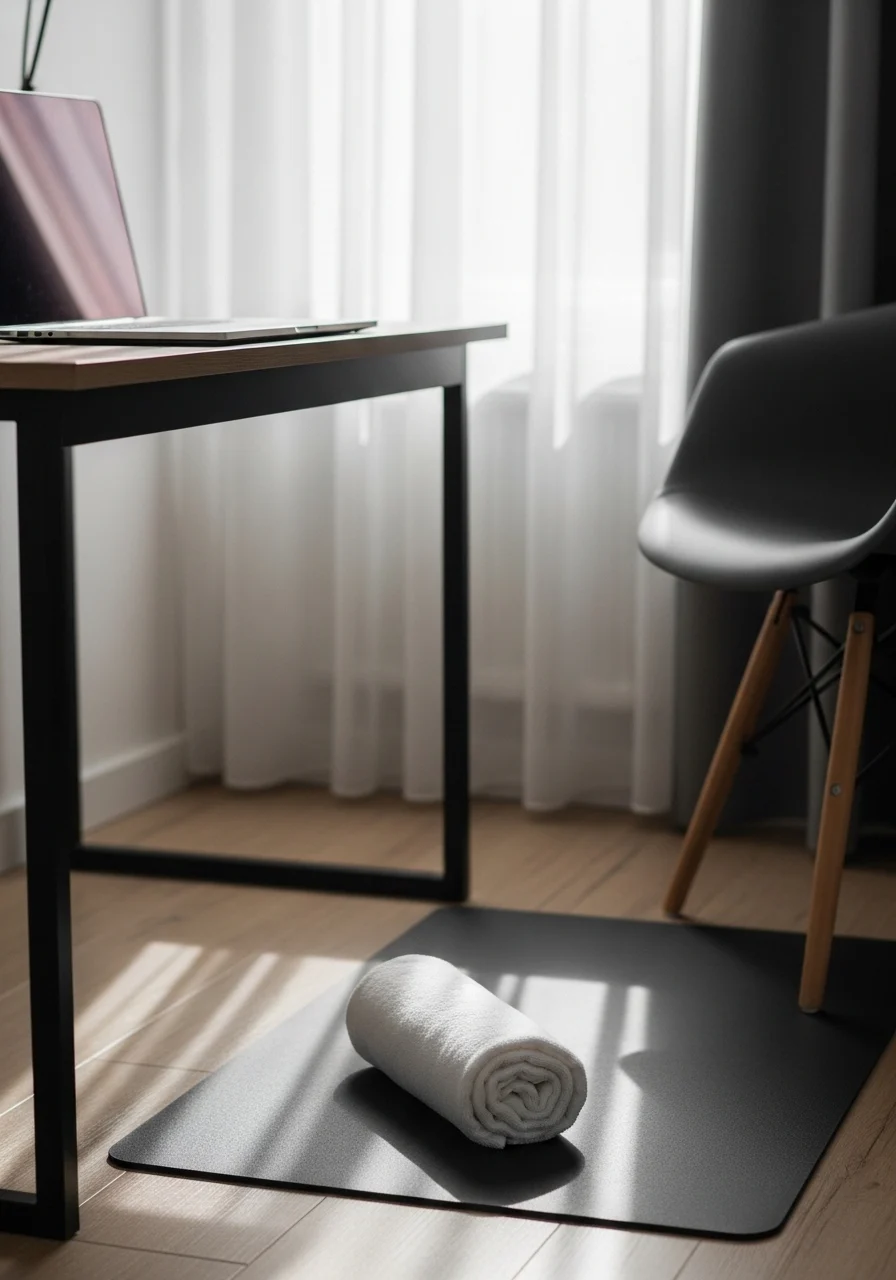
This quick reset is ideal between work tasks to break long sitting stretches. Include standing hip hinges, chair squats, wall push-ups, and calf raises. Spend 8 to 12 minutes to stimulate circulation and engage large muscle groups for a mini full body workout. Doing this several times a day reduces stiffness, improves focus, and keeps activity consistent when your schedule is busy. Small, repeated resets build a habit of movement that supports larger at-home fitness goals.
Why This Works
- Breaks sedentary behavior with small actions
- Fits into short time windows easily
- Improves circulation and posture quickly
- Helps maintain consistent movement habit
Quick Tips
- Set reminders to stand every 60 minutes
- Pair moves with deep breaths for calm focus
- Aim for 10 to 15 reps per exercise
- Use a chair stable against a wall for support
- Track mini-resets to reinforce the habit
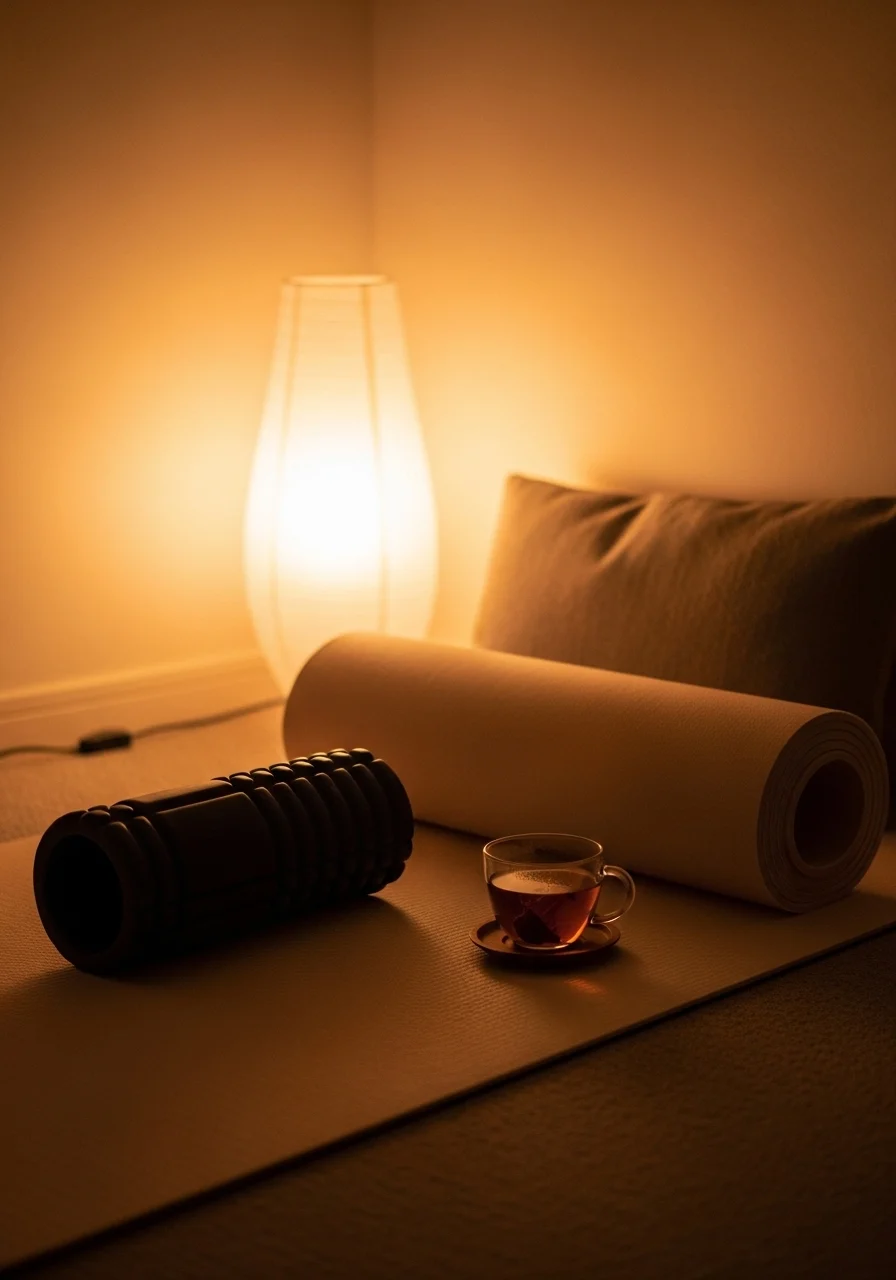
15. Evening Recovery Strength Sequence
** Explanation (80–100 words): **
Finish the day with a recovery-focused strength routine that promotes sleep and repair. Choose low-impact moves like glute bridges, slow push-ups on knees, bird dogs, and dead bugs, plus gentle mobility drills. Keep intensity moderate and emphasis on control and breath. This prepares your body for restful sleep while maintaining strength. Regular evening practice helps reduce tension, improve nightly recovery, and keeps your full body workouts balanced across the week without overstimulating late in the day.
Why This Works
- Encourages recovery while maintaining strength
- Lowers arousal for better sleep quality
- Reduces muscle tension after a long day
- Fits smoothly into evening routines
Quick Tips
- Keep session under 30 minutes for relaxation
- Focus on slow, controlled movements
- Avoid high-intensity cardio late at night
- Include brief stretching for tight areas
- Dim lights to cue winding down
16. Outdoor Park Full-Body Routine

** Explanation (80–100 words): **
Use park benches, rails, and open space to design a full body workout outside. Combine bench step-ups, incline push-ups, pull-ups or rows on bars, and walking lunges. Being outdoors adds mood benefits and fresh air while still training strength and cardio. You’ll notice better motivation, varied movement patterns, and a refreshing change from indoor routines. Outdoor full body workouts are adaptable and make it easier to stay consistent by turning exercise into a pleasant outing.
Why This Works
- Adds fresh air and visual variety to training
- Uses simple park equipment for resistance
- Boosts mood alongside physical benefits
- Easy to adjust for any fitness level
Quick Tips
- Scout safe, sturdy park features first
- Bring a mat for floor moves if desired
- Use proper footwear for outdoor surfaces
- Combine circuits with a brisk walk warm-up
- Stay hydrated, especially on warm days
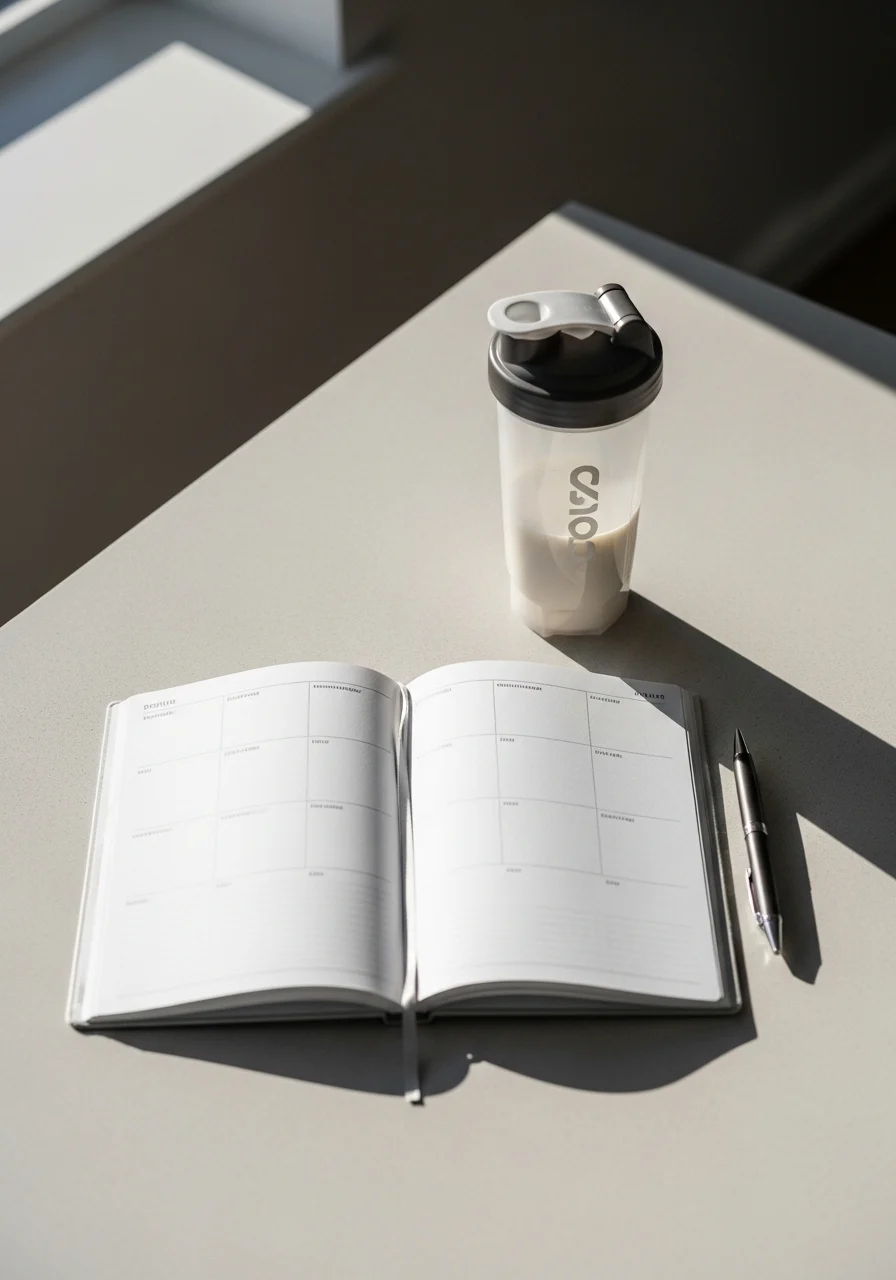
17. 7-Day At-Home Workout Plan
** Explanation (80–100 words): **
A simple 7-day plan organizes full body workouts so you don’t guess what to do. Alternate harder sessions with mobility or recovery days: day 1 bodyweight circuit, day 2 mobility flow, day 3 AMRAP, day 4 easy yoga-strength, day 5 plyo circuit, day 6 slow tempo strength, day 7 light active recovery. This structure balances stimulus and rest while keeping variety. You’ll find it easier to stick to routines and track progress. A weekly plan turns scattered efforts into consistent at-home fitness habits you can repeat.
Why This Works
- Provides clear structure to reduce decision fatigue
- Balances intensity with recovery for sustainable gains
- Encourages consistent habit formation
- Easy to repeat or adjust weekly
Quick Tips
- Print or pin your weekly plan where you’ll see it
- Swap days based on energy and schedule
- Keep sessions flexible 15 to 40 minutes
- Track mood and performance each day
- Reuse successful weeks to build routine
This collection covers quick circuits, strength-focused sessions, recovery flows, and playful family options so you can pick what fits your day. Save or pin the workouts you want to try and start small. Most of these full body workouts need little or no equipment and are easy to scale as you get stronger. Which one will you try this week to add a dependable habit to your routine?