
You wake up with good intentions, and by now,n the list is buried under emails and noise. You are not failing. Your day simply lacks a simple anchor. Self-care journal ideas can give you that anchor. They make habits visible and manageable.
Habits and routines matter because small, consistent actions shape how you feel. A few minutes with a pen can clarify stress, track sleep, or mark small wins. These self-care journal ideas help you build rituals that fit your life. Expect clearer mornings, steadier mood, and little measurable progress.
Use the prompts below to pick one habit or rotate them through the week. Each idea includes what to write, why it works, and quick tips to make it simple.
1. Morning Gratitude Pages

Each morning write three short things you are grateful for. Keep each line to one sentence. You do not need to write long entries. This habit clears mental clutter and shifts attention to what went well. Do it right after you wake or with your first coffee. Over weeks you notice a brighter baseline mood and fewer stuck thoughts. The habit is simple. You can use it on paper or in a notes app. It helps you start the day with intention.
Why This Works
- Trains attention toward positive details
- Low time investment, high mental return
- Builds a consistent morning routine
- Makes small wins visible
Quick Tips
- Use a dedicated gratitude page
- Limit entries to three lines
- Keep the same pen nearby
- Do it within 30 minutes of waking
- Re-read weekly entries
2. Mood Mapping Log
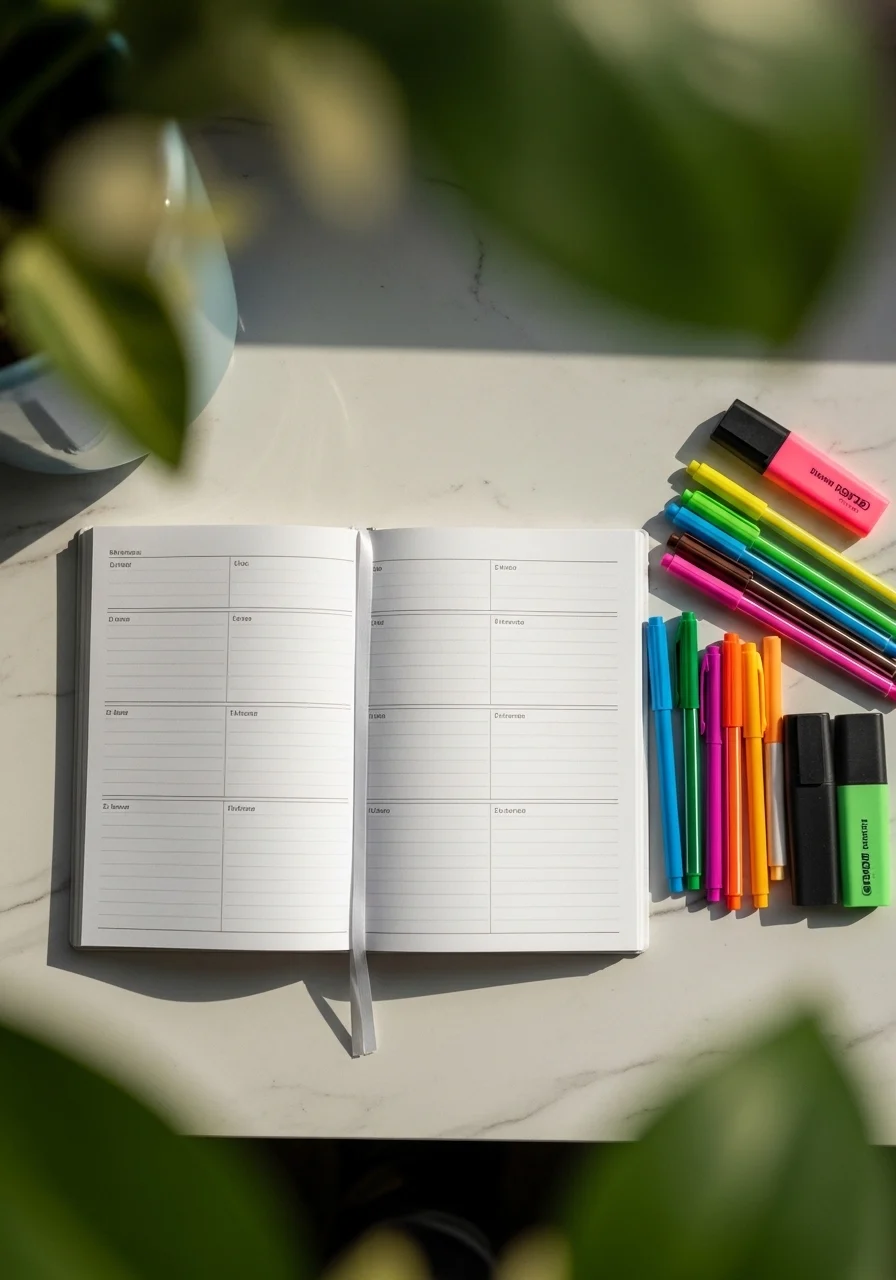
Track your mood in a simple table each day. Label rows with dates and columns for time, mood word, intensity, trigger, and a short action. Keep entries to a few words. This habit helps you spot patterns across days and weeks. It fits into a nightly check-in or a midday pause.
You will notice links between sleep, food, movement, and mood. With data in front of you, you can try small shifts like earlier bedtimes or a short walk. Patterns guide choices without judgment.
Why This Works
- Reveals recurring triggers and trends
- Encourages short, honest reflection
- Supports small adjustments to routine
- Reduces guesswork about mood changes
Quick Tips
- Use color codes for mood intensity
- Keep the table simple
- Update it at consistent times
- Use one-word mood labels
- Review monthly for patterns
3. Micro-Goal Lists

Write three tiny goals for the day that take under 20 minutes each. Examples include a five-minute stretch, emailing for five minutes, or having a healthy snack. Keep goals specific and doable. This habit prevents overwhelm and increases momentum. You can do it each morning or the night before. Over time, you will complete more and procrastinate less. Small wins accumulate into real progress. The list keeps you focused on action, not perfection. It fits any schedule and boosts confidence.
Why This Works
- Breaks big tasks into doable steps
- Builds daily momentum and completion habits
- Lowers resistance to starting tasks
- Reinforces steady progress
Quick Tips
- Use a dedicated micro-goal section
- Limit to three items
- Make each goal time-bound
- Mark them done visibly
- Celebrate small wins
4. Sleep and Wake Log

Record bed and wake times, sleep quality, and brief notes on dreams or disturbances. Keep entries concise. Do this each morning to see how routines affect rest. Over a few weeks, you can link bedtime habits to quality of sleep. Small adjustments like dimming screens earlier or consistent wake times can be tested. The log supports decisions based on data. You will likely notice more stable energy and fewer foggy mornings. This habit pairs well with a nightly wind-down routine.
Why This Works
- Shows how habits affect sleep quality
- Encourages consistent sleep scheduling
- Helps identify sleep disruptors
- Supports small habit experiments
Quick Tips
- Note caffeine and alcohol intake
- Rate sleep quality on a 1-to-5 scale
- Log wake times consistently
- Try one change per week
- Keep the journal by your bed
5. Food and Mood Diary

Note what you eat and how you feel afterward. Keep entries brief: meal, time, mood rating, and any physical notes. Use one line per meal or snack. Over days you will find foods that boost or drain your energy. This habit makes food impact visible and reduces guessing. It encourages mindful eating rather than reacting. You can pair it with hydration tracking. Small shifts like adding protein or reducing late sugar may improve focus and calm. The diary stays simple and practical.
Why This Works
- Connects nutrition with emotional and physical states
- Encourages mindful food choices
- Helps identify sensitivities or patterns
- Supports small, testable changes
Quick Tips
- Use shorthand for meals
- Rate mood after each meal
- Note portion or timing if relevant
- Try one dietary tweak weekly
- Review entries after two weeks
6. Movement Reflection Pages
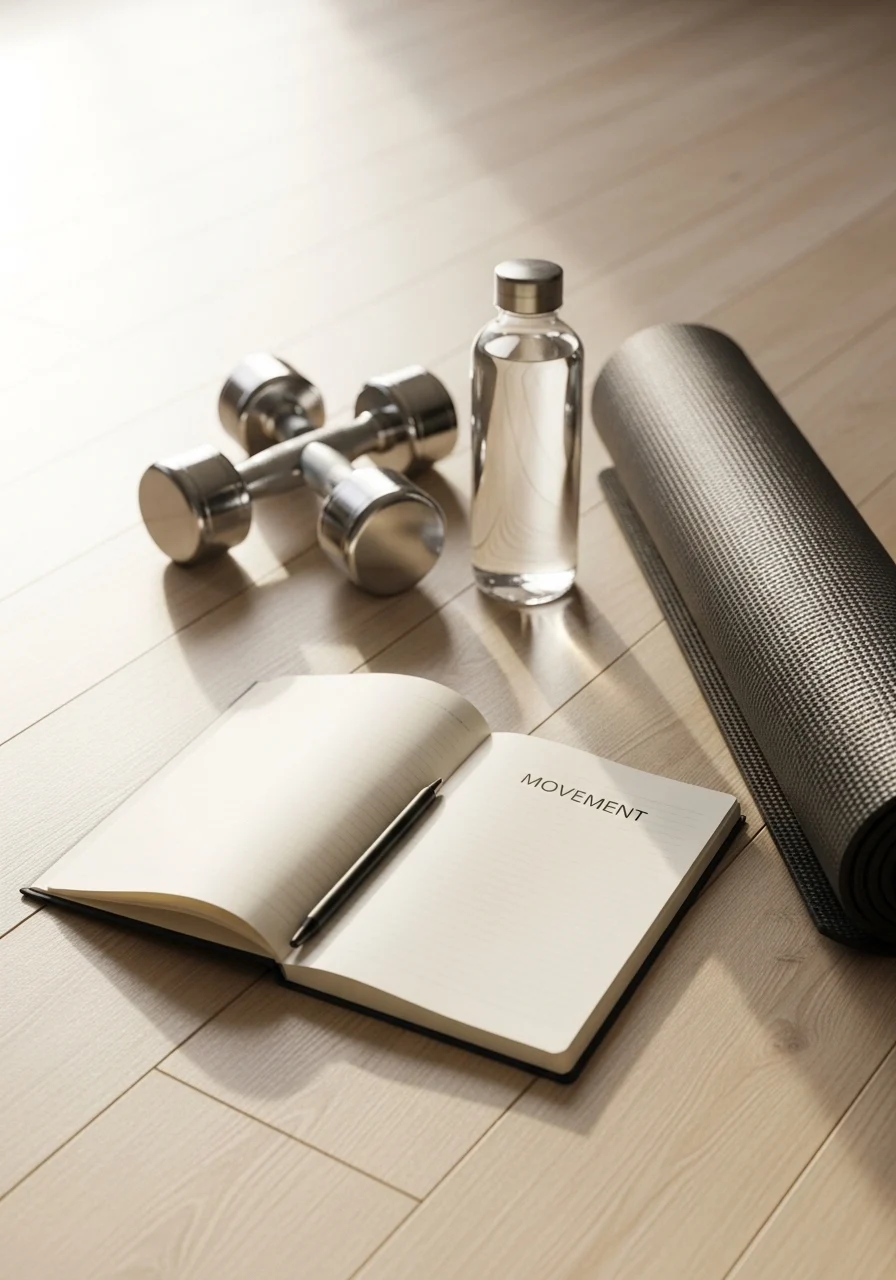
After any workout or walk, jot one sentence about how your body felt and one about your mood. Keep it short. This habit increases body awareness and motivation. It turns movement into feedback rather than obligation.
Over time, you note effective routines and energy patterns. You will be able to choose movement types that support mood and recovery. The habit fits into post-exercise cooldown or an end-of-day recap. It keeps your fitness consistent without rigid tracking.
Why This Works
- Builds a mindful movement routine
- Reinforces positive feedback loops
- Helps tailor workouts to your needs
- Encourages consistent activity
Quick Tips
- Keep entries to two sentences
- Note intensity and duration
- Add one improvement idea per entry
- Use it after any movement session
- Review monthly trends
7. Single-Tasking Focus Log

Write one priority for a focused block and a timer length. Track how long you actually stayed on task and what interrupted you. Keep notes brief. This habit reduces multitasking and improves concentration. You will finish priority work faster and feel less scattered.
Use it for 25-to-60-minute sessions. Over time, you learn ideal focus lengths and common distractions. The log trains attention and helps redesign work blocks for real progress. It is simple and repeatable daily.
Why This Works
- Encourages deep work with clear time blocks
- Reduce switch cost from multitasking
- Reveals common interruptions
- Improves task completion rates
Quick Tips
- Pick one clear priority per block
- Use a visible timer
- Note interruptions briefly
- Start with 25 minutes if unsure
- Gradually increase focus time
8. Weekly Wins List

At the end of the week, write five things that went well. Keep each item short. Include small acts like calling a friend or finishing a task. This habit helps you notice progress that busy days hide. It supports positive memory and motivation for the next week. Do it Sunday night or Friday afternoon. Over months you will build a visible record of growth and resilience. The practice is quick and boosts morale without pressure.
Why This Works
- Reinforces a positive memory by motivating for future weeks
- Makes small wins visible and memorable
- Low effort with lasting benefit
Quick Tips
- Keep a weekly page in your journal
- Limit to five concise items
- Include non-work wins
- Review past pages for momentum
- Make it a weekly ritual
9. Boundary Check-In

Once a week, note one situation where you maintained or needed a boundary. Write the context, what you did, and how it felt. Keep entries focused and short. This habit sharpens your awareness of personal limits and where to adjust.
Over time you will act earlier and protect energy more easily. The practice reduces resenting others and clarifies communication needs. It fits into a weekend reflection or midweek reset. You build confidence in saying no with simple review.
Why This Works
- Hia highlights real boundary moments
- Encourages proactive adjustments
- Reduces built-up frustration
- Strengthens communication habits
Quick Tips
- Keep entries nonjudgmental
- Note what worked and what to change
- Use clear, factual language
- Revisit past entries for patterns
- Practice one new boundary next week
10. Stress Release Brain Dump

When stress spikes, set a three-minute timer and write everything on your mind. Do not edit. This habit clears mental clutter fast. Afterward, circle one small action you can’t take. It fits into breaks or right after work.
You will notice fewer racing thoughts and more clarity for problem solving. Regular use of preproblem-solving for growth. The brain dump is practical and quick. It frees space for prioritized action and calmer thinking.
Why This Works
- Rapidly reduces mental overload
- Creates clarity for next steps
- Short and easy to repeat
- Prevents small stressors from growing
Quick Tips
- Use a three-minute timer
- Don’t censor or edit while writing
- Circle one next step afterward
- Keep the page for reference
- Practice before bed if needed
11. Self-Compassion Letters

Write a short supportive letter to yourself after a hard day. Use kind, factual language and one compassionate reminder. Keep it to a few sentences. This habit shifts self-criticism into care. Do it weekly or after setbacks.
You will notice softer self-talk and steadier resilience. The letters act as a record of how you treat yourself in tough moments. Over time you will respond to challenges with more patience and clearer next steps. It’s a small practice with emotional benefits.
Why This Works
- Replaces harsh self-talk with care
- Builds emotional resilience
- Creates a private archive of support
- Encourages clear, constructive responses
Quick Tips
- Start with “Dear [Your Name]”
- Keep it short and factual
- Offer one practical next step
- Reread letters when needed
- Make it a weekly habit
12. Energy Audit Chart
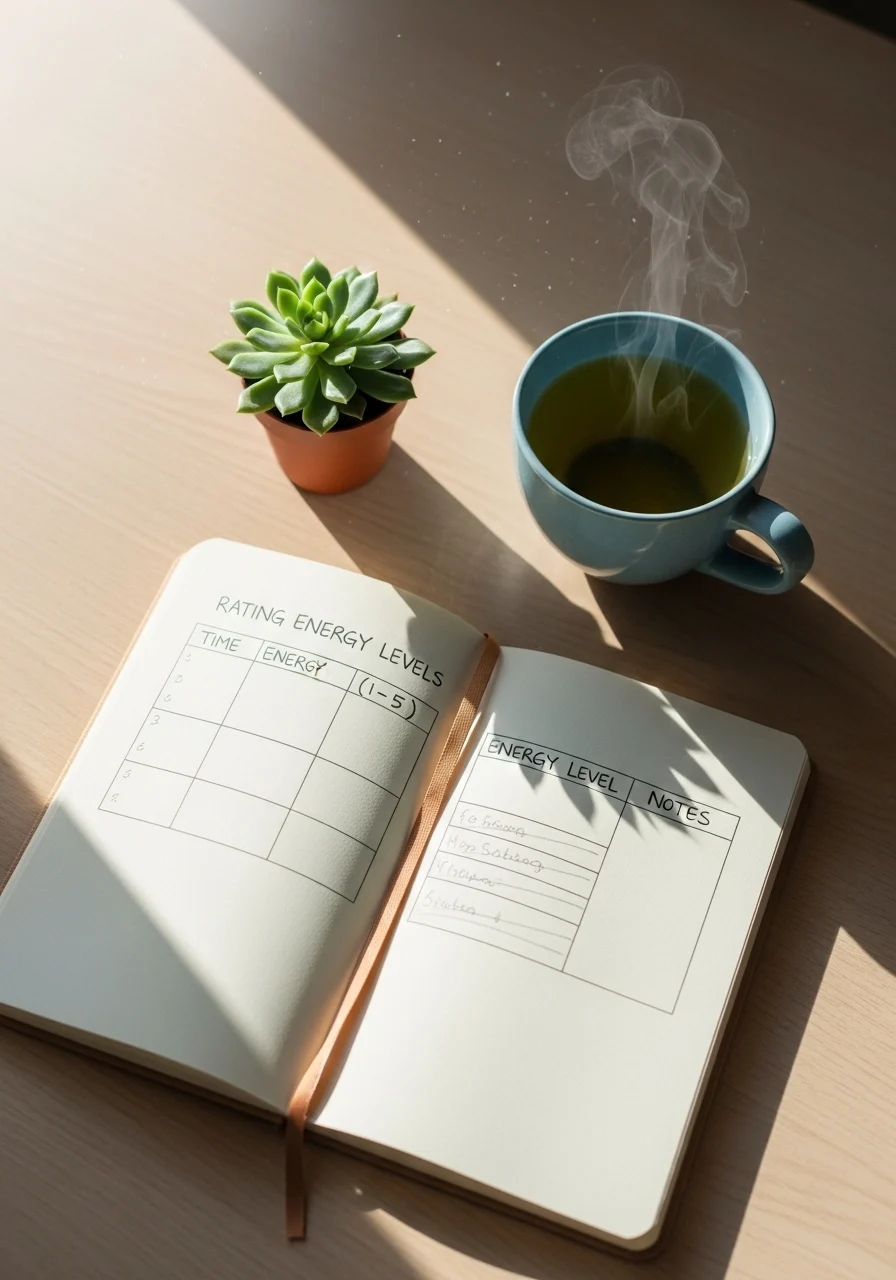
Map your energy across four daily blocks for a week. Rate each block from low to high and note one factor that influenced it. Keep notes short.
This habit helps you schedule demanding tasks when energy is high. It also reveals consistent low points that can be addressed with sleep, food, or breaks. With simple data you can plan realistic work and rest. This reduces friction and wasted effort. It is practical and shows where small adjustments yield benefits.
Why This Works
- Aligns tasks with natural energy patterns
- Reveals consistent highs and lows
- Helps plan realistic work blocks
- Encourages targeted habit tweaks
Quick Tips
- Use four blocks per day
- Rate energy on a 1-to-5 scale
- Note one influencing factor per block
- Review after one week
- Schedule tasks to match energy
13. Monthly Vision Snapshot
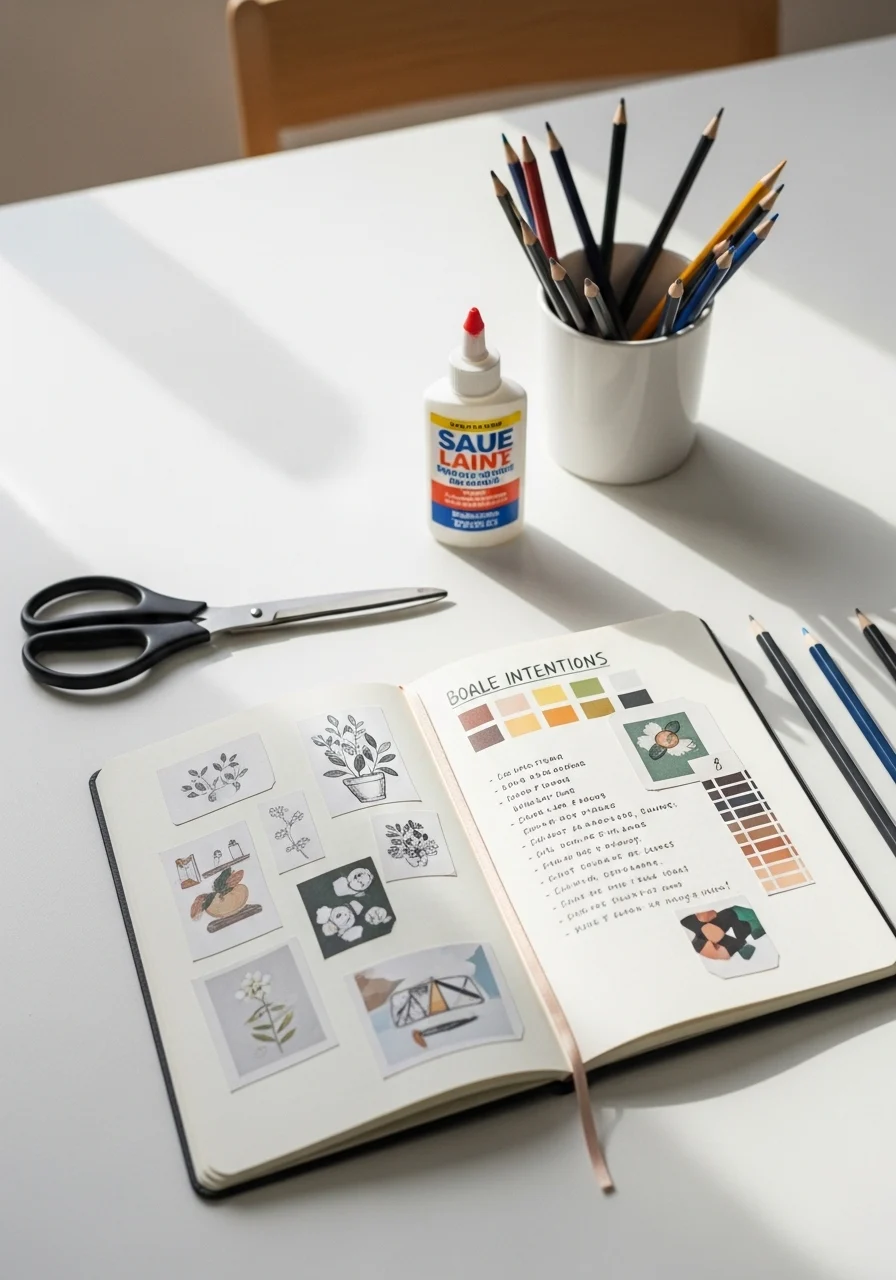
Create a one-page snapshot of how you want the month to feel and what you aim to try. Use short phrases, doodles, or stickers. Keep it visual and concise. This habit sets gentle priorities and keeps your focus gentle but clear.
Place the page where you can see it daily. Over the month you refine goals and adjust small habits. The snapshot keeps intentions flexible and actionable. It helps you pick what to try and what to pause.
Why This Works
- Clarifies monthly intentions visually
- Makes priorities easy to revisit
- Encourages flexible, small experiments
- Keeps focus on feelings as well as tasks
Quick Tips
- Limit to one page
- Use short phrases and visuals
- Place it where you will see it daily
- Update monthly for relevance
- Pick one habit to test each month
14. Habit Streak Tracker
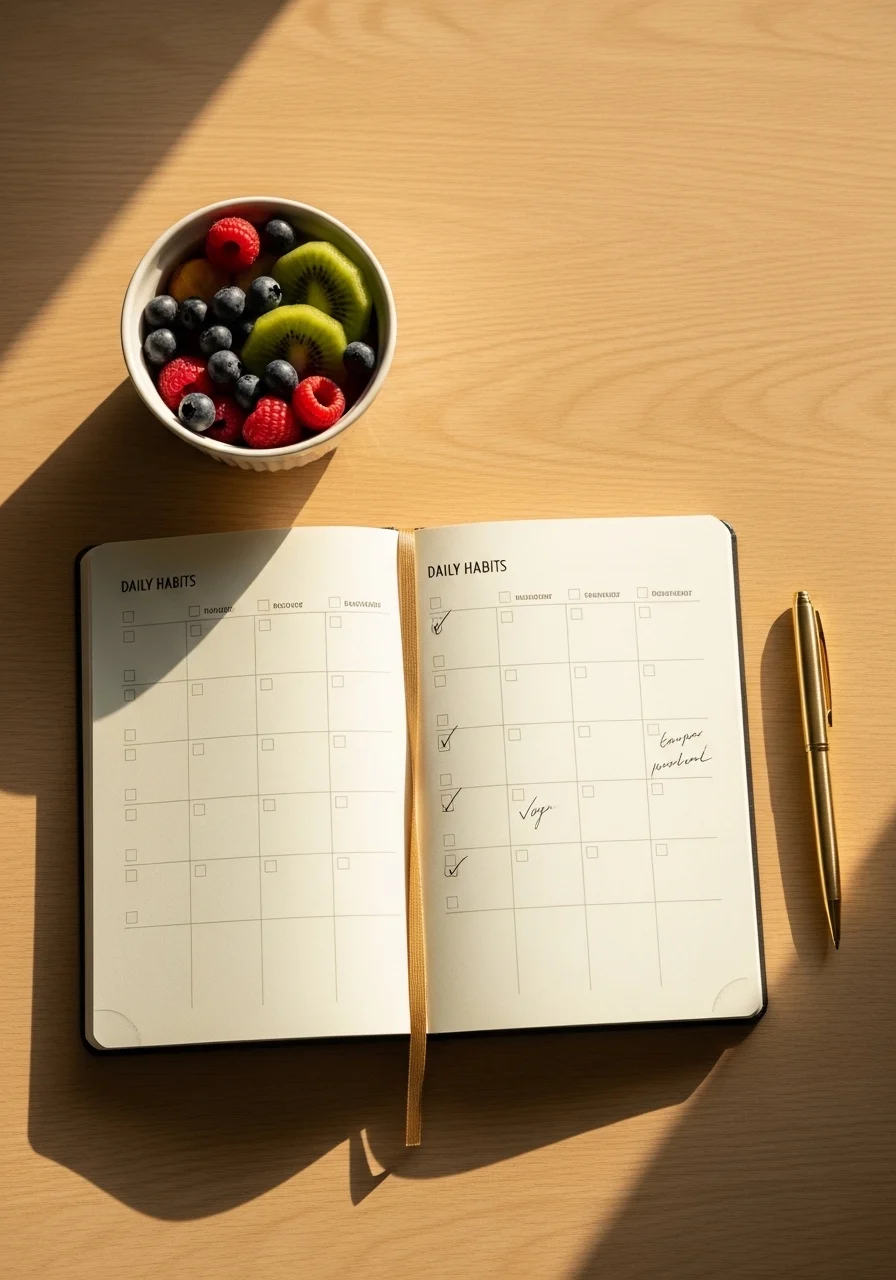
Choose up to five habits and mark each day you complete them. Keep the tracker visible and update it nightly. This habit creates gentle pressure to continue streaks and highlights consistency. You will notice which habits hold and which fade.
Use short habit labels like “water,” “stretch,” or “read.” Streaks motivate without strict rules. When a streak breaks, review why and plan one small adjustment. The tracker is simple and builds steady momentum over weeks.
Why This Works
- Visual reinforcement of consistency
- Encourages daily follow-through
- Makes progress measurable and motivating
- Simple to maintain
Quick Tips
- Limit to five habits
- Update every evening
- Use simple abbreviations
- Celebrate longer streaks
- Adjust habits monthly
15. Reflection on Resistance
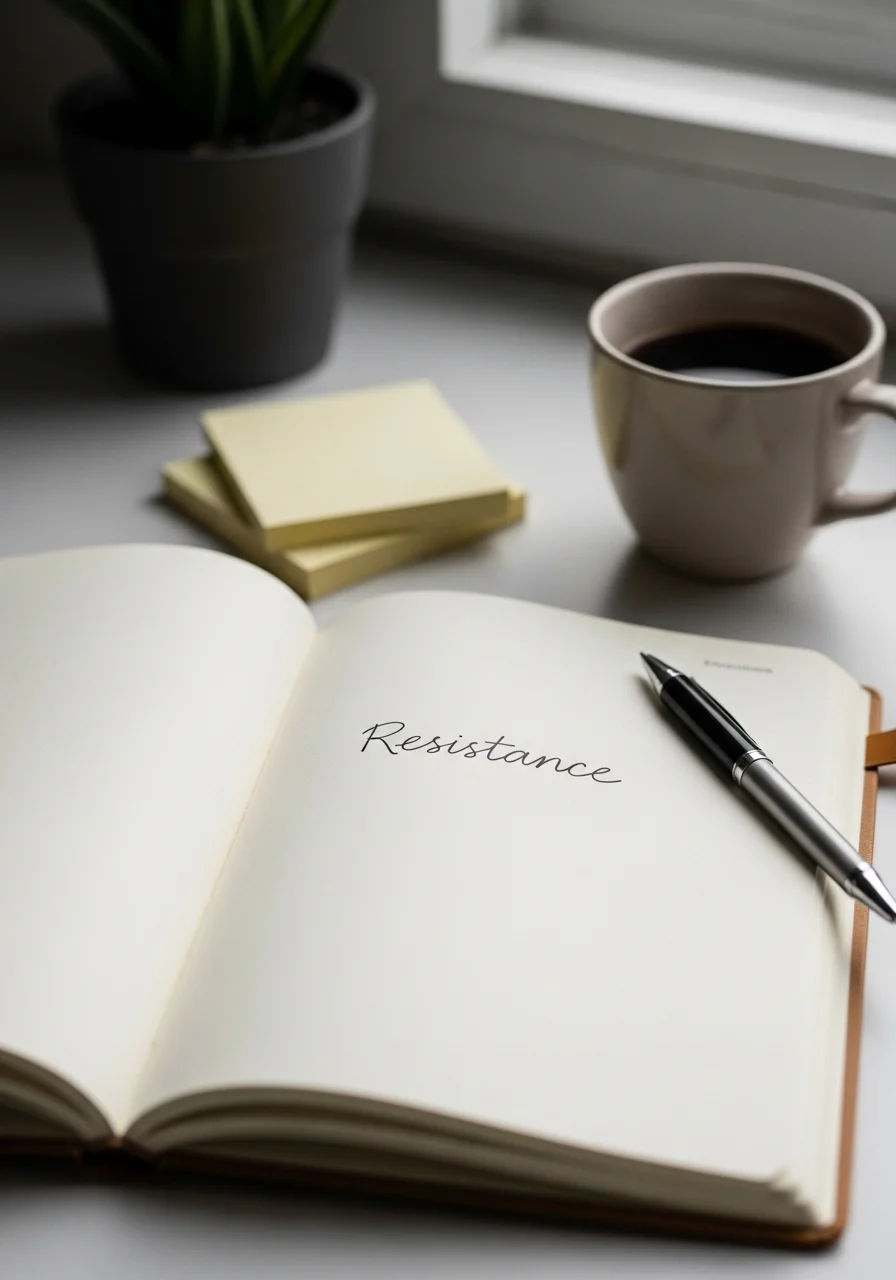
When you avoid a task, write one short paragraph about what you felt and one sentence about the smallest step forward. Keep entries clear and without blame. This habit makes avoidance visible and actionable.
You will learn your common friction points and create tiny steps that overcome them. Over time you reduce procrastination and approach tasks with curiosity instead of guilt. The practice is a tool for steady progress and clearer planning. It helps you act even when motivation is low.
Why This Works
- Identifies real reasons for delays
- Creates a low-bar next action
- Reduces guilt and increases clarity
- Encourages consistent tiny steps
Quick Tips
- Keep entries nonjudgmental
- Name one small actionable step
- Use it when resistance appears
- Review patterns weekly
- Adjust environment if needed
16. Nightly the Wind-Down Checklist

Create a short checklist for the hour before bed. Include items like dimming lights, stretching, and a two-line reflection. Check each item as you do it. This habit signals your body and mind to slow down.
It helps you sleep more easily and wake with clearer focus. Over time, you will refine items that support rest. The checklist is quick and practical. It replaces scrolling and worry with simple actions that calm you for sleep.
Why This Works
- Creates a predictable sleep routine
- Reduces nighttime stimulation
- Encourages reflective closure on the day
- Supports better sleep quality
Quick Tips
- Keep the list under five items
- Do it every night for consistency
- Include a two-line reflection
- Keep the checklist by your bed
- Adjust items as you learn what helps
You now have a set of practical, habit-focused self-care journal ideas to try. They range from morning gratitude to nightly wind-downs. Pick one to start or rotate a few through the week. Each idea is designed to be short and repeatable so you can build steady routines without pressure.
Save or pin this list for later reference. Try one idea for a week and notice the change. Which self-care journal idea will you try first?