
You probably notice little aches, leaks, or tension in your pelvic area during ordinary tasks. Small daily habits can make those moments easier. Kegel exercises are a simple way to build pelvic strength and calm. They fit into coffee breaks, desk days, or bedtime routines without special gear.
This list gives 11 practical Kegel exercises you can try today. Each habit is short, clear, and designed to fold into real life. You’ll get quick cues, what to expect, and easy tips to make them a habit. Try a few and notice steadier core support, better bladder control, and a quieter pelvic floor.
1. The Basic Kegel

Start with the simple squeeze and release. Tighten the muscles you would use to stop urine. Hold for 3 to 5 seconds, then relax for the same time. Repeat 8 to 12 times for one set. Do two to three sets a day while you sit, stand, or lie down.
Over weeks, you will notice improved control and a stronger pelvic foundation. These Kegel exercises are the foundation for more advanced moves and help you learn the right muscles without extra effort.
Why This Works
- Builds basic pelvic strength
- Trains muscle awareness and control
- Easy to do anywhere
- Creates a reliable starting habit
Quick Tips
- Breathe normally while holding
- Avoid tightening buttocks or thighs
- Start with short holds and build time
- Mark sets on your phone to track progress
- Practice while waiting in line
2. Quick Flicks
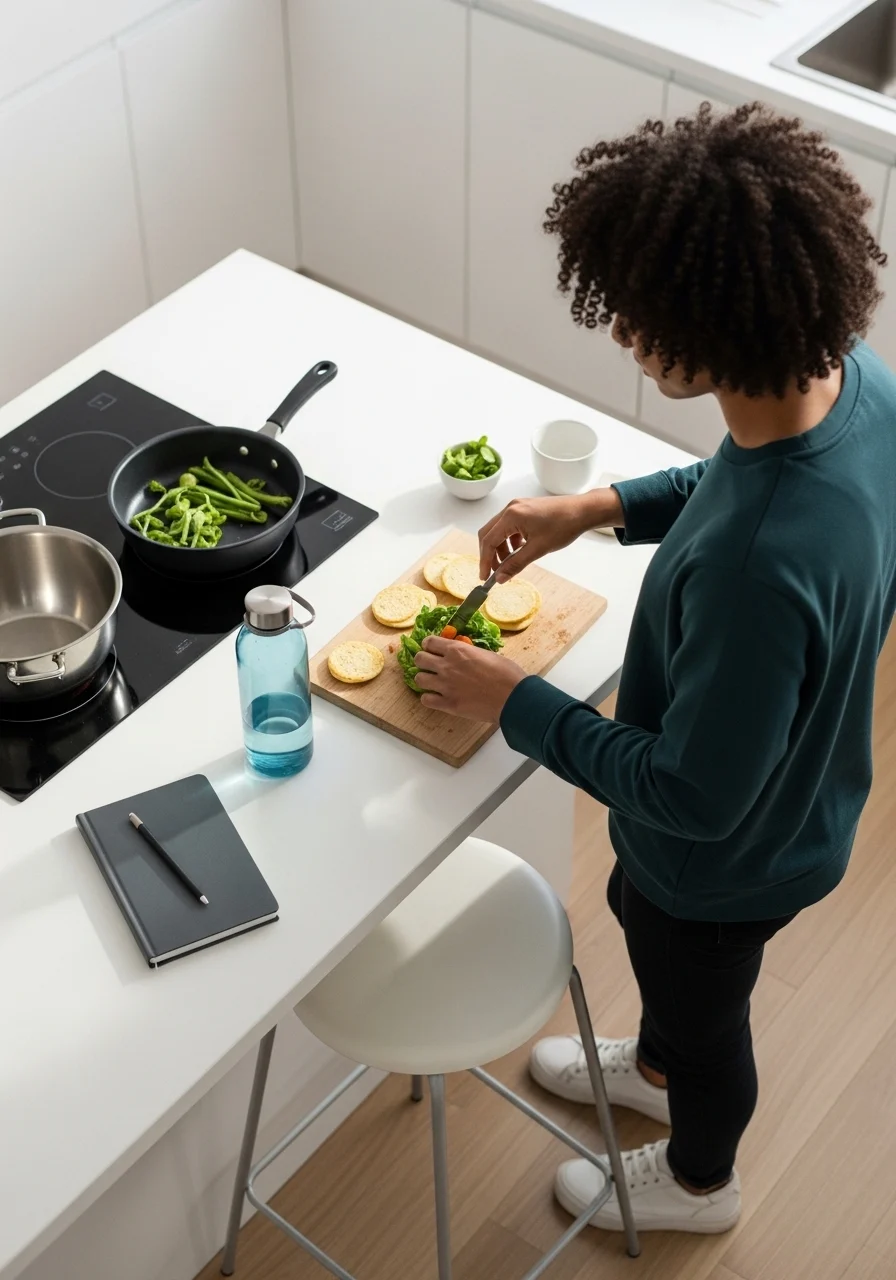
Quick flicks are fast, sharp contractions. Squeeze the pelvic floor quickly for one second, then release immediately. Do 10 to 20 repetitions in a burst. This routine trains the muscles to react fast during sudden movements like coughing or lifting.
Add quick flicks to transitions, such as standing up from a chair or after a stride. Over time,e you may notice fewer sudden leaks and better reflex control during daily activities. These rapid Kegel exercises sharpen responsiveness.
Why This Works
- Improves reflexive pelvic control
- Mimics real-life quick demands
- Reduces stress-related leaks
- Short and easy to add to routines
Quick Tips
- Keep breaths even between flicks
- Avoid bearing down while releasing
- Use them before sneezes or heavy lifts
- Pair with standing routines for practice
- Start with small bursts and increase reps
3. Long Hold Kegels
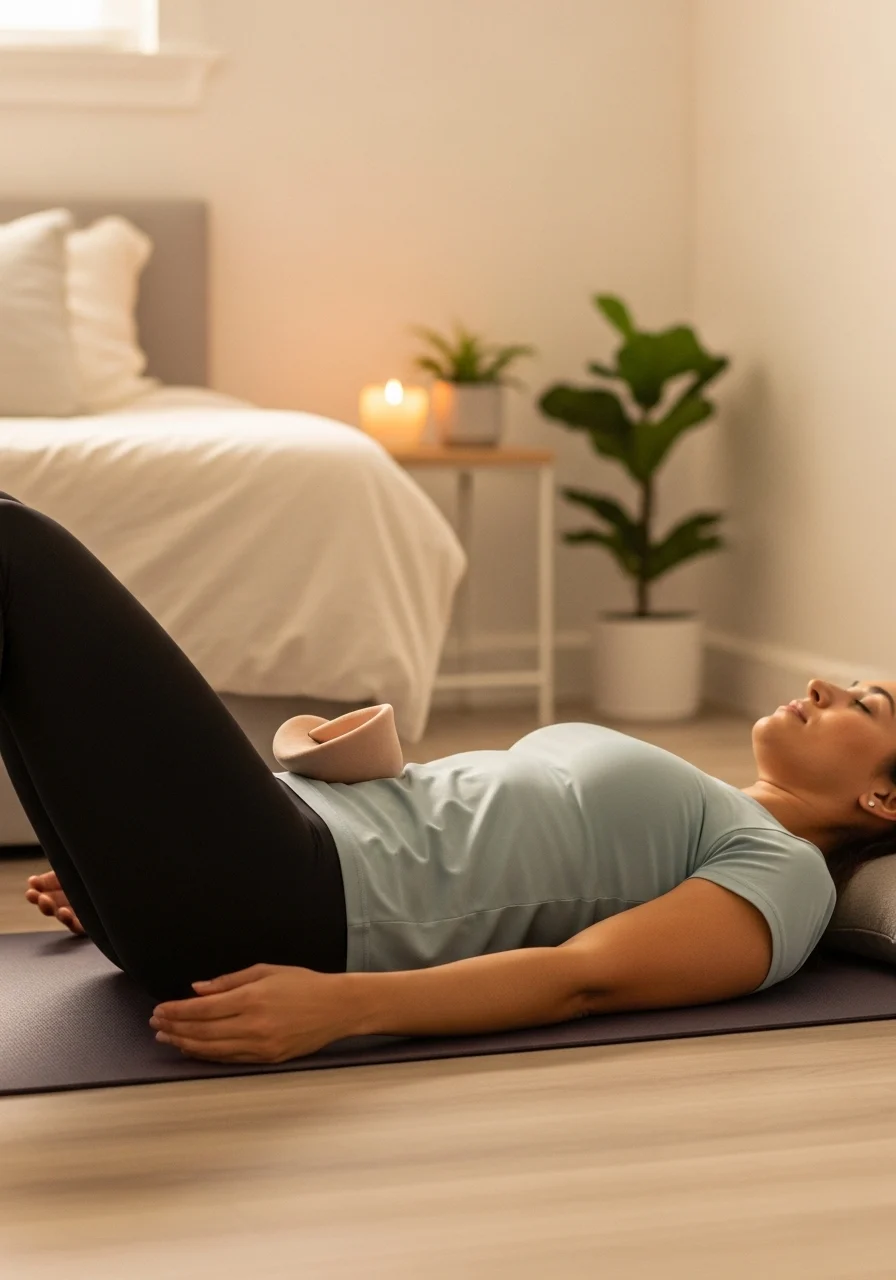
Long holds strengthen endurance. Tighten your pelvic floor and hold for 10 seconds, then relax for 10 seconds. Repeat 4 to 6 times per session. These build sustained support for posture and core stability.
You can do them while reading, watching TV, or during a commute. Expect gradual gains in stamina and fewer sensations of pelvic heaviness. If 10 seconds feels difficult, start with 5 and increase by one or two seconds each week. Long Kegel exercises help your muscles support daily posture.
Why This Works
- Increases pelvic endurance
- Supports posture and core function
- Helps with longer tasks or standing periods
- Clear progression from short to long holds
Quick Tips
- Use a timer to avoid guessing
- Relax your jaw and shoulders while holding
- Stop if you feel pain and reduce the time
- Add holds after basic Kegels for variety
- Track improvements weekly
4. Elevator Kegels
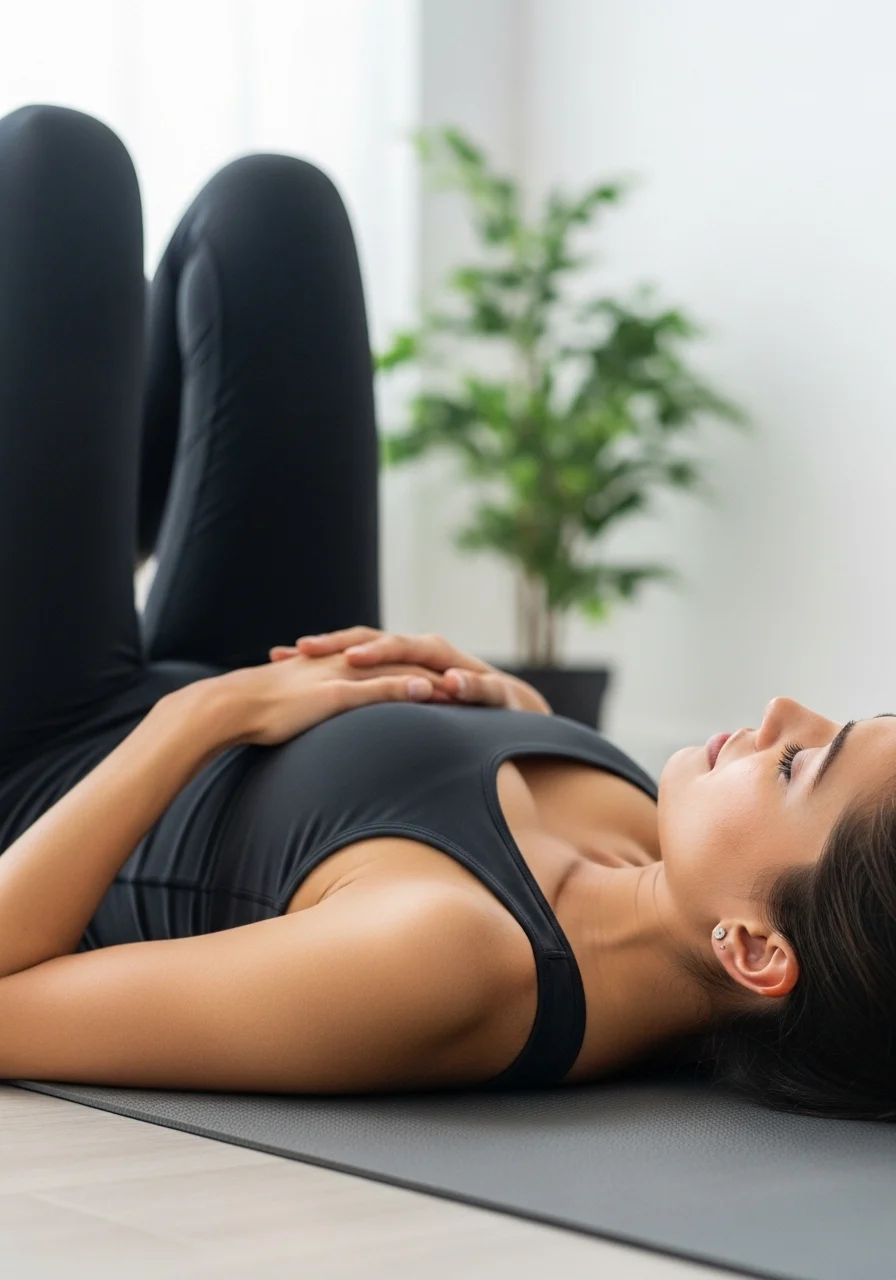
Imagine your pelvic floor as an elevator. Slowly squeeze a little, hold, squeeze higher, hold, then go to the top and release step by step. Work through 4 to 6 “floors” per set. This teaches graded contractions and control at different intensities.
It fits into morning stretches or pre-exercise warmups. You may notice smoother contractions and more precise muscle use. Elevator Kegel exercises help you build nuanced strength rather than only full squeezes.
Why This Works
- Teaches graded muscle control
- Improves coordination and precision
- Reduces over-gripping and tension
- Works well as a warm-up routine
Quick Tips
- Visualize each level as you lift
- Move slowly and feel each stage
- Combine with deep breaths between floors
- Start with fewer floors and add more
- Practice while lying down first
5. Kegels with Diaphragmatic Breath
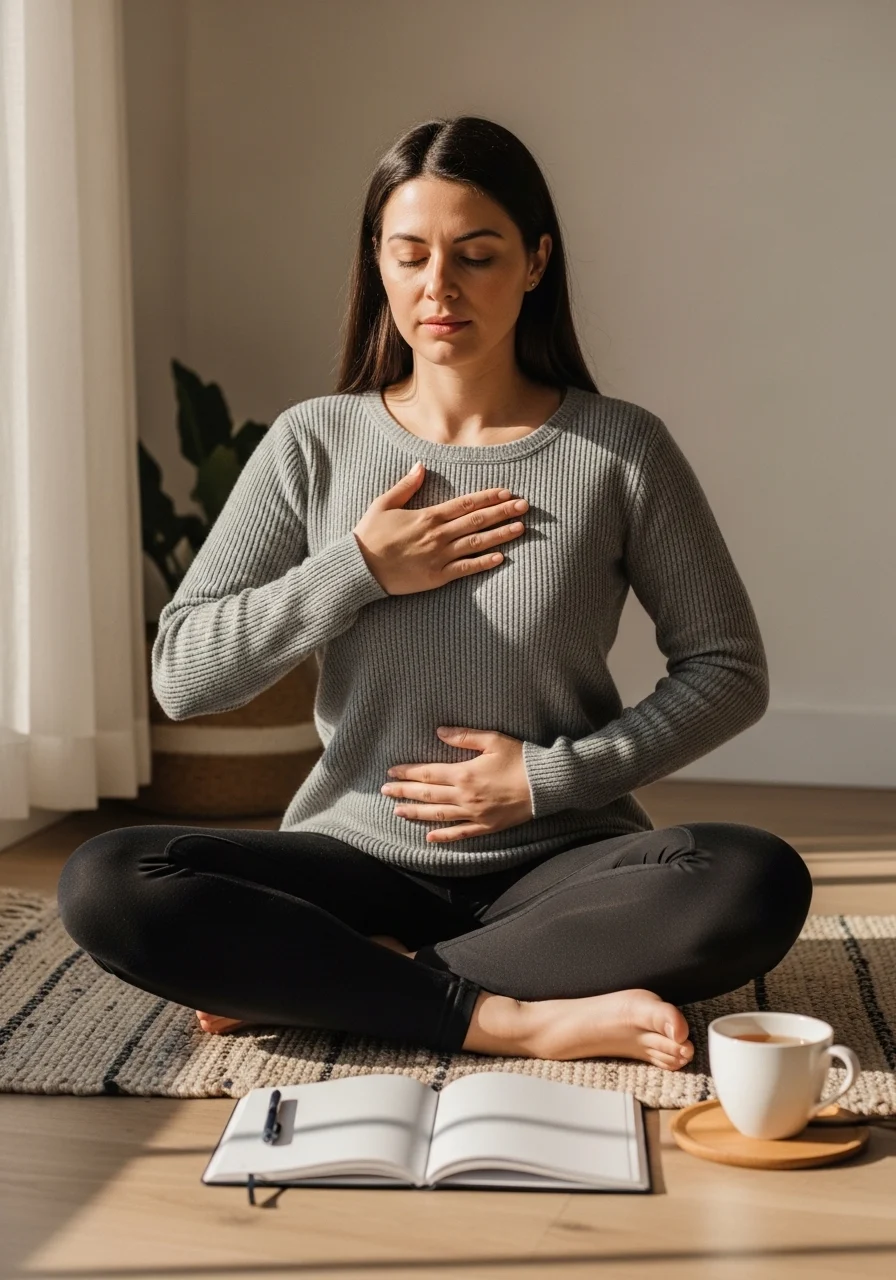
Coordinate breath and pelvic contractions. Inhale deeply, letting the belly expand. Exhale as you gently lift and squeeze the pelvic floor. Hold briefly, then inhale to release. Repeat 6 to 10 times. This pattern reduces neck and shoulder tension and prevents breath-holding during Kegels.
It also promotes pelvic floor relaxation between contractions. Doing these Kegel exercises regularly can improve your breathing patterns, reduce compensatory tension, and make contractions feel more natural in everyday movement.
Why This Works
- Encourages relaxed, effective contractions
- Prevents breath-holding and neck tension
- Improves pelvic floor timing with the breath
- Useful for stress-sensitive days
Quick Tips
- Breathe slowly and consistently
- Place a hand on your belly to feel expansion
- Avoid pushing down on the pelvis
- Try before meditation or bedtime
- Build from 4 to 10 repeats
6. Bridge Squeeze Combo
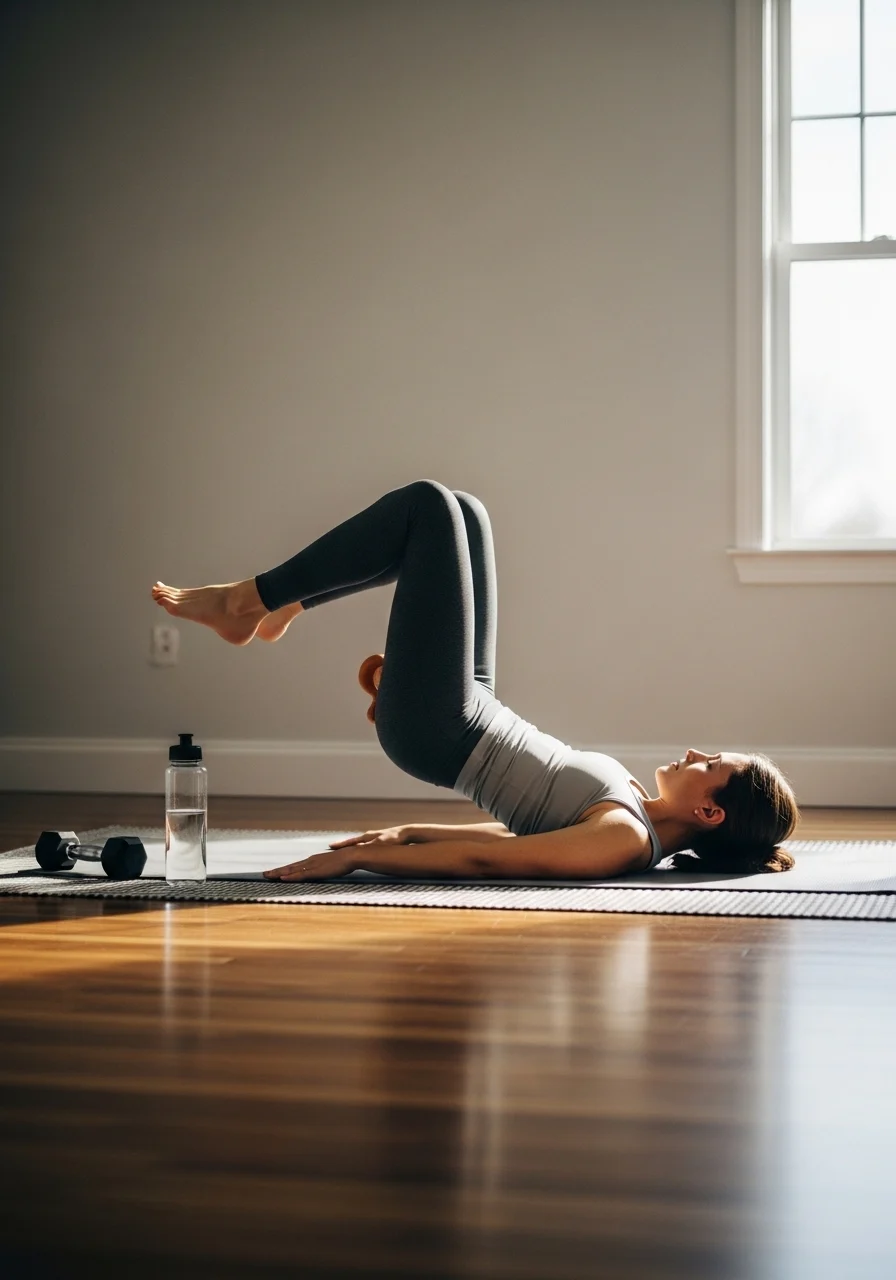
Combine a glute bridge with a pelvic squeeze. Lie on your back with knees bent, lift hips into a bridge, then squeeze the pelvic floor and glutes. Hold 3 to 5 seconds and lower. Do 8 to 12 reps. This links pelvic strength with hip and core function.
It helps stabilize the pelvis during movement and can ease lower back strain. Over time, you’ll feel stronger during activities like lifting or climbing stairs. These combined moves make Kegels functional and practical.
Why This Works
- Integrates pelvic and glute strength
- Supports lower back and hips
- Improves functional movement patterns
- Feels useful for daily activities
Quick Tips
- Keep feet hip-width apart for stability
- Engage the core lightly before lifting
- Avoid arching the lower back too much
- Start with bodyweight, then add light resistance
- Sync breath with lift and squeeze
7. Standing Strength Pulses

Do gentle pulses while you stand. Tighten the pelvic floor a little, release slightly, and repeat for 20 to 30 seconds. These short pulses are easy to do during phone calls, while brushing teeth, or at a standing desk. They build endurance and control without interrupting your day.
You might feel steadier when carrying groceries or bending. This habit turns small pauses into consistent practice and keeps pelvic muscles engaged throughout your routine.
Why This Works
- Fits easily into standing moments
- Builds endurance without extra time
- Reinforces pelvic engagement during daily tasks
- Low intensity and low fatigue
Quick Tips
- Keep knees soft and weight evenly distributed
- Use phone or meeting time to practice
- Start with 3 sets per day
- Increase pulse length slowly
- Avoid holding breath while pulsing
8. Mindful Contraction Routine

Add mindfulness to pelvic work. Sit quietly and scan your body. Gently contract the pelvic floor with awareness, hold for a few seconds, then fully relax. Repeat 5 to 8 times. Focus on feeling the muscles lift inward and upward.
This practice enhances mind-muscle connection and reduces unconscious tension patterns. Pelvic floor exercises with mindfulness help you notice day-to-day triggers and teach gentle release. Over time, you may feel calmer and more precise when using these muscles.
Why This Works
- Strengthens mind-muscle awareness
- Reduces unconscious gripping
- Improves relaxation between contractions
- Supports mindful daily routines
Quick Tips
- Pair with a short breathing exercise
- Use a journal prompt before or after
- Keep sessions short and focused
- Practice at the same time each day
- Notice subtle changes in tension
9. Walking Pelvic Floor Taps

Tap the pelvic floor lightly with each step. As you walk, add a gentle lift every few steps, then relax. Start with a pattern like three normal steps, one tap. Continue for 5 to 10 minutes during a walk.
This integrates pelvic engagement with movement and improves timing for everyday activities. Expect better control when moving quickly or changing direction. Walking taps make Kegels functional and less isolated from your regular fitness routine.
Why This Works
- Trains pelvic timing during motion
- Makes practice active and functional
- Easy to do during regular walks
- Improves control during dynamic tasks
Quick Tips
- Keep taps gentle and brief
- Start with short walking bursts
- Sync taps with your breath or stride
- Use a comfortable pace to avoid tension
- Increase frequency gradually
10. Reverse Kegels for Release

Reverse Kegels focus on gentle outward release. Instead of squeezing, breathe in and allow the pelvic floor to soften and drop a little. Hold the relaxed feeling for a few seconds, then return to neutral. Repeat 6 to 8 times.
This helps reduce over-tightening and promotes balance between contraction and release. You may notice less pelvic tension and easier relaxation for daily tasks and intimacy. Reverse techniques are a useful complement to contraction-focused routines.
Why This Works
- Promotes pelvic relaxation and balance
- Reduces chronic tightness and discomfort
- Complements contraction-focused practice
- Supports natural muscle flexibility
Quick Tips
- Practice after strong Kegel sets
- Pair with slow diaphragmatic breaths
- Keep movements gentle and controlled
- Stop if you feel strain and reduce intensity
- Integrate into evening wind-down
11. Bedtime Mini-Sets

Finish the day with short Kegel sets in bed. Do two rounds of 8 to 10 gentle squeezes, then one long hold of 8 seconds. Focus on slow lifts and relaxed releases. These mini-sets fit perfectly into your bedtime routine and help the pelvic floor settle before sleep. You may fall asleep feeling more relaxed and notice fewer nighttime leaks. Regular nightly practice builds consistency without adding daytime tasks.
Why This Works
- Reinforces daily consistency
- Help the pelvic floor relax before sleep
- Simple to remember and perform
- Low effort with steady benefit
Quick Tips
- Keep movements relaxed and slow
- Combine with a short breathing routine
- Use bedside reminders to build a habit
- Reduce intensity if you feel tired
- Track nights you perform sets to stay motivated
You now have a variety of Kegel exercises you can try at different times of day and in different positions. Each habit is short and practical, so you can mix and match based on comfort and schedule. Save or pin this list to keep it handy for quick practice sessions. Which one are you curious to try first?