
Many men don’t think about prostate health until symptoms start to appear. But the truth is, prostate issues often develop slowly and quietly over time. By the time noticeable symptoms appear, the condition may already be affecting daily life.
Prostate health becomes more important as men age, especially after 40. Understanding early warning signs, risk factors, and common conditions helps men stay informed. Early awareness can make a significant difference in long-term comfort and well-being.
This guide explains everything you need to know about prostate health in simple terms. You’ll learn about common prostate problems, warning signs, and practical ways to stay aware of your health.
Quick Summary: Most Common Prostate Problems
Here are the most common prostate conditions affecting men:
- Benign Prostatic Hyperplasia (BPH)
- Prostatitis
- Prostate Cancer
- Acute Bacterial Prostatitis
- Chronic Prostatitis
These conditions become more common with age. Understanding each one helps men recognize early warning signs.
Common Prostate Problems in Men
Here are some common prostate problems men should know about:
1. Benign Prostatic Hyperplasia (BPH)
This is the most common prostate condition, especially in men over 40. It occurs when the prostate gradually enlarges and presses against the urethra.
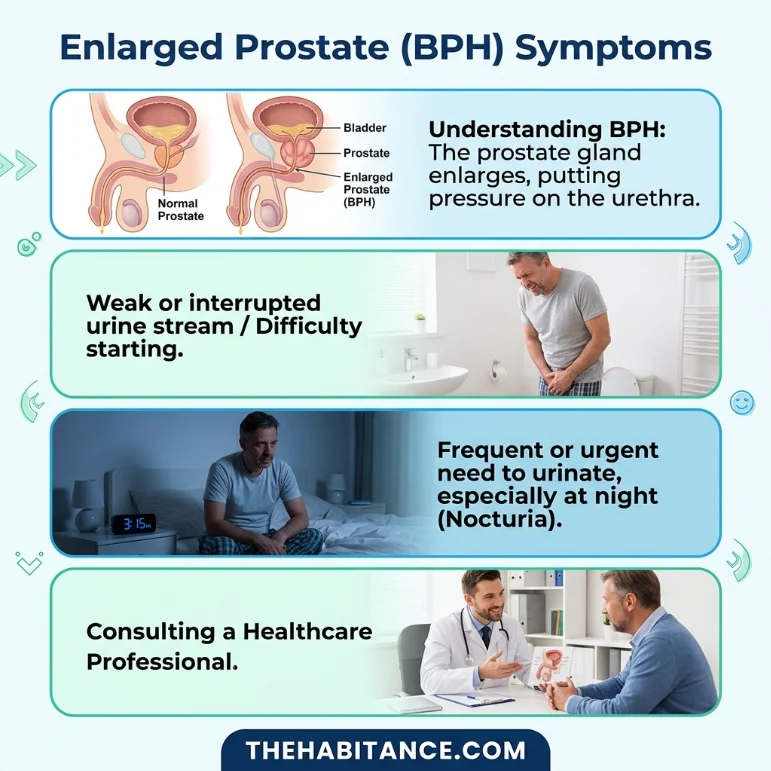
What happens: The prostate enlarges and restricts urine flow from the bladder.
Common Causes: This condition usually develops due to aging and hormonal changes.
Common Symptoms
Here are some symptoms you should check:
- Frequent urination
- Weak urine flow
- Difficulty starting urination
- Nighttime urination
- Feeling the bladder not fully empty
When to visit a doctor: Visit a doctor if urination becomes difficult or symptoms interrupt your sleep regularly.
2. Prostatitis
Prostatitis is inflammation or infection of the prostate gland. It can affect men of all ages and may appear suddenly.

What happens: The prostate becomes inflamed, causing discomfort and urinary problems.
Common Causes: Prostatitis may occur due to infection, stress, or nerve irritation.
Common Symptoms
Here are some symptoms you should check:
- Pelvic pain
- Painful urination
- Lower back pain
- Pain during ejaculation
- Frequent urination
When to visit a doctor: If symptoms last for several days or worsen, medical advice is recommended.
3. Prostate Cancer
Prostate cancer is one of the most common cancers in men. It usually develops slowly and may not show symptoms early.

What happens: Abnormal cells develop in the prostate and grow gradually.
Common Causes: Risk increases due to age, genetics, and lifestyle factors.
Common Symptoms
Here are some symptoms you should check:
- Difficulty urinating
- Weak urine flow
- Blood in urine
- Pelvic discomfort
- Erectile issues
When to visit a doctor: Seek medical advice if symptoms persist or if blood appears in urine.
4. Acute Bacterial Prostatitis
This is a sudden infection of the prostate that develops quickly and may cause severe symptoms.
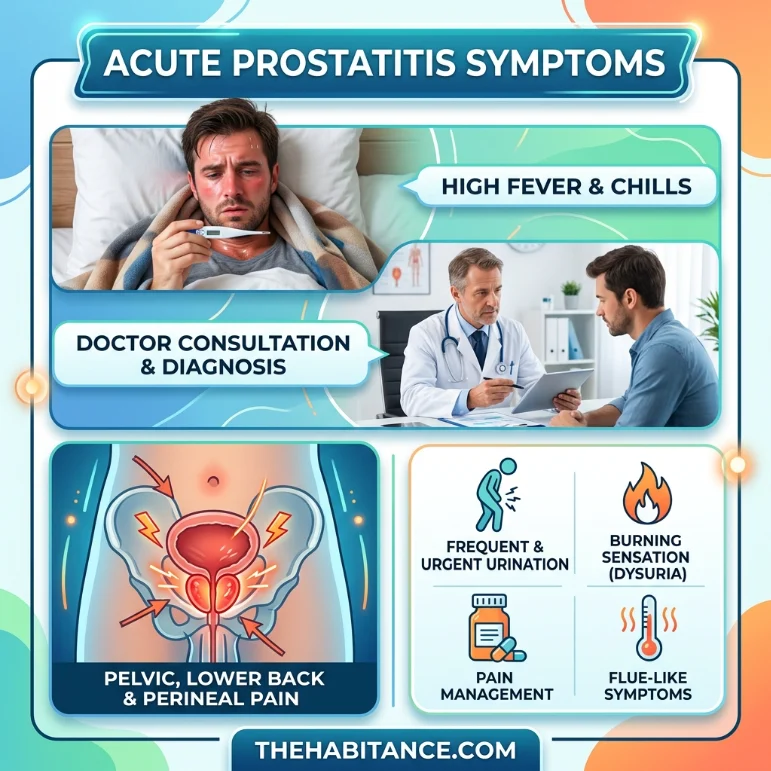
What happens: A bacterial infection causes swelling and inflammation in the prostate.
Common Causes: This condition usually occurs due to bacterial infections.
Common Symptoms
Here are some symptoms you should check:
- Fever and chills
- Severe pelvic pain
- Burning during urination
- Frequent urination
- Difficulty urinating
When to visit a doctor: Seek immediate medical attention if symptoms suddenly appear.
5. Chronic Prostatitis
Chronic prostatitis is long-term inflammation of the prostate that may last for months.
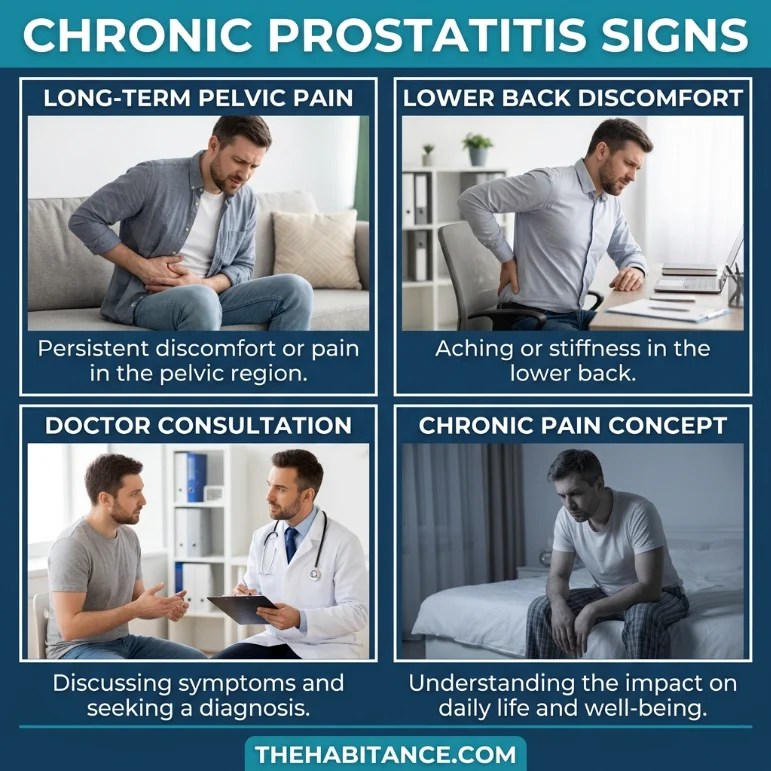
What Happens: Ongoing inflammation causes long-term discomfort and urinary issues.
Common Causes: This condition may result from infection, stress, or unknown causes.
Common Symptoms
Here are some symptoms you should check:
- Pelvic discomfort
- Lower back pain
- Frequent urination
- Pain during urination
- Sexual discomfort
When to visit a doctor: Visit a doctor if symptoms continue for weeks or interfere with daily life.
What Is Prostate Health and Why Does It Matter for Men
The prostate is a small gland located below the bladder and around the urethra. Its main function is to produce fluid that supports and protects sperm. Although small, the prostate plays an important role in male reproductive and urinary health.
When the prostate becomes enlarged, inflamed, or affected by other conditions. It can interfere with normal urination. This may lead to frequent urination, weak urine flow, or discomfort. These changes often develop gradually.
Prostate health also affects sleep and daily comfort. Frequent nighttime urination and pelvic discomfort can impact quality of life. That’s why early awareness and proper prostate care are important.
Understanding prostate health early helps men recognize symptoms quickly. Small lifestyle adjustments and awareness can support long-term prostate health.
Early Warning Signs of Prostate Problems
Prostate problems often begin with mild symptoms that develop gradually. Many men ignore these early signs, thinking they are temporary.
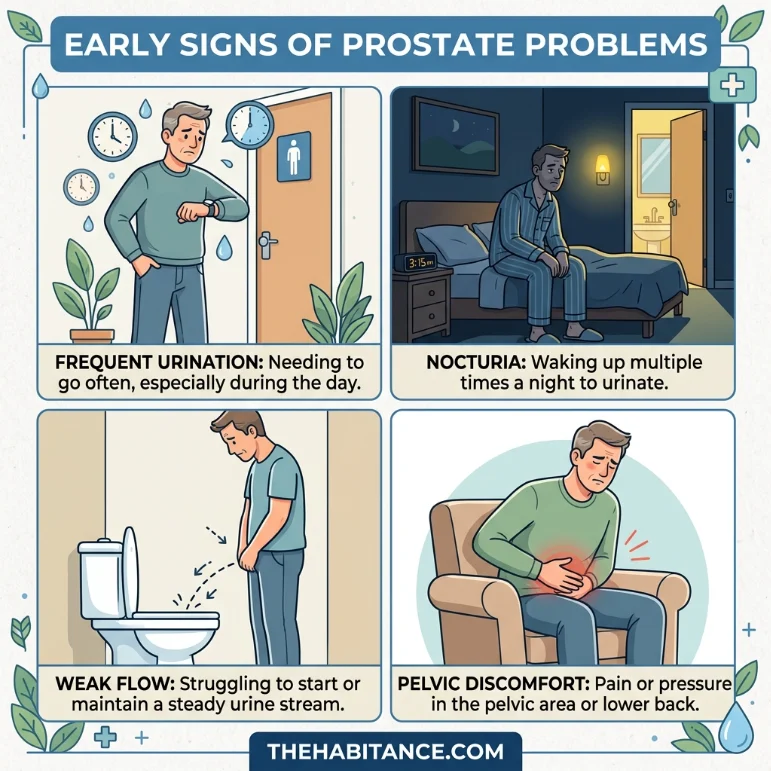
Top early warning signs include:
- Frequent urination
- Nighttime urination
- Weak urine flow
- Difficulty starting urination
- Pain during urination
- Pelvic discomfort
- Lower back pain
- Feeling the bladder not fully empty
Recognizing these signs early helps men stay aware and monitor changes.
Daily Habits That Affect Prostate Health
Daily habits play an important role in prostate health. Sitting for long periods and poor hydration may contribute to discomfort.
Some men also explore natural remedies for the prostate as part of their wellness routine. Healthy sleep, movement, and stress management may also help support prostate health.
Small daily improvements can make a difference over time.
Foods That Support Prostate Health
Diet plays an important role in maintaining overall health. Certain foods good for the prostate may support long-term wellness.

Common foods that support prostate health include:
- Tomatoes
- Leafy greens
- Berries
- Nuts and seeds
- Fatty fish
These foods contain nutrients that support overall body function and long-term health.
When Men Should Start Caring About Prostate Health
Men should begin learning about prostate health in their 30s. Awareness helps recognize symptoms early.
As men age, monitoring changes becomes more important. Early awareness helps maintain long-term prostate health.
Final Thoughts
Prostate health is an important part of men’s overall well-being. Many prostate problems develop slowly and go unnoticed at first.
Understanding symptoms, risk factors, and common conditions helps men stay informed. Early awareness, healthy habits, and proper lifestyle choices help support long-term prostate health.
Taking small steps today can help protect prostate health in the future.