
Women juggle many roles every day. Work, studies, family, emotions, and personal goals all demand energy. When the body lacks key nutrients, even simple routines can feel exhausting.
The best vitamins for women support physical health, mental clarity, emotional balance, and well being. They don’t create discipline overnight, but they make healthy habits easier to build and maintain.
This guide explains the most important vitamins women need, how they help, and what to watch out for in a calm, practical, and easy to understand way.
1. Vitamin D: Mood, Bones, And Immunity
Vitamin D is essential for absorbing calcium and maintaining strong bones. It also plays a role in mood regulation and immune support. Many women have low vitamin D due to indoor lifestyles or limited sun exposure.
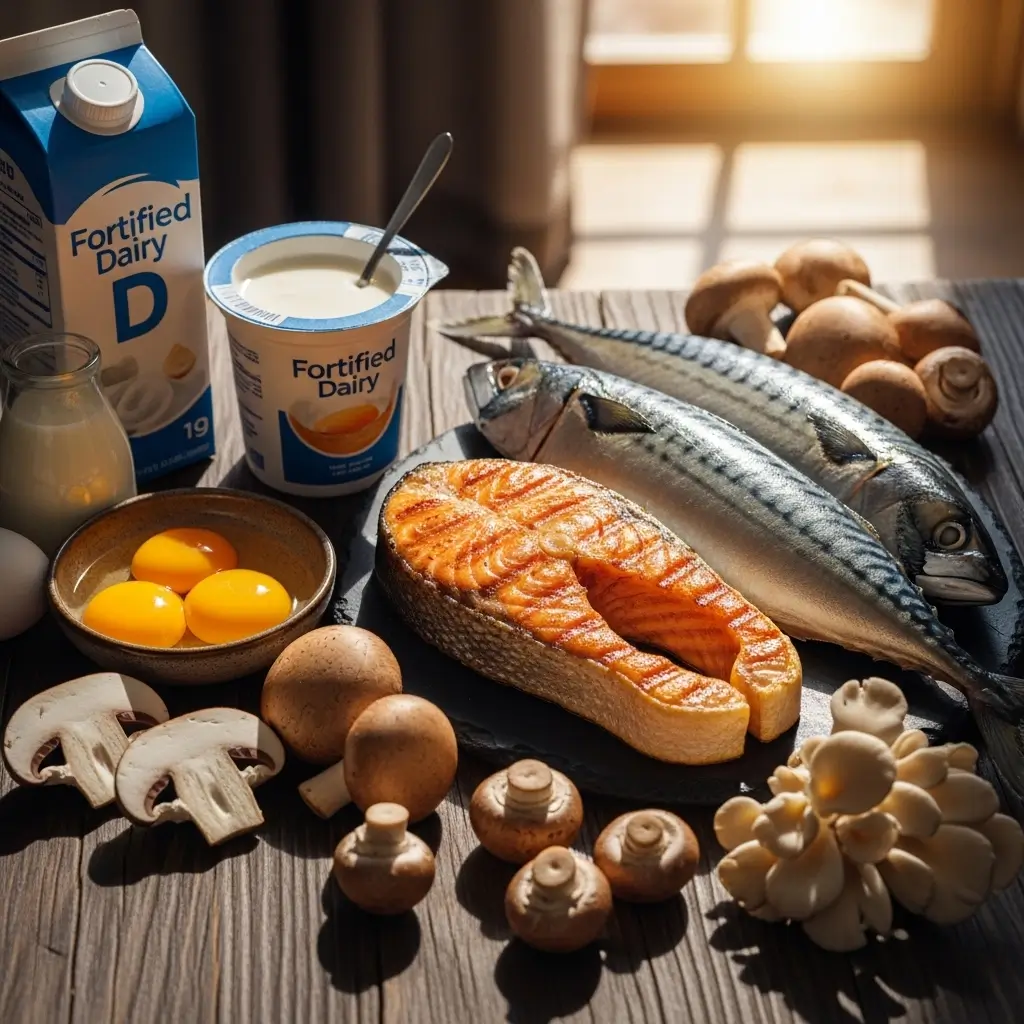
Foods rich in Vitamin D: Fatty fish (salmon, mackerel), fortified dairy products, egg yolks, and mushrooms exposed to sunlight.
Benefits:
- Promotes strong bones and teeth
- Enhances mood and reduces fatigue
- Strengthens immunity
- Supports muscle function
- Helps maintain energy throughout the day
Precautions: Too much vitamin D can cause calcium imbalance. Only take high dose supplements under professional guidance.
2. Iron: Energy, Focus, And Blood Health
Iron helps carry oxygen through the blood, supporting energy levels and brain function. It’s especially important for women who menstruate.
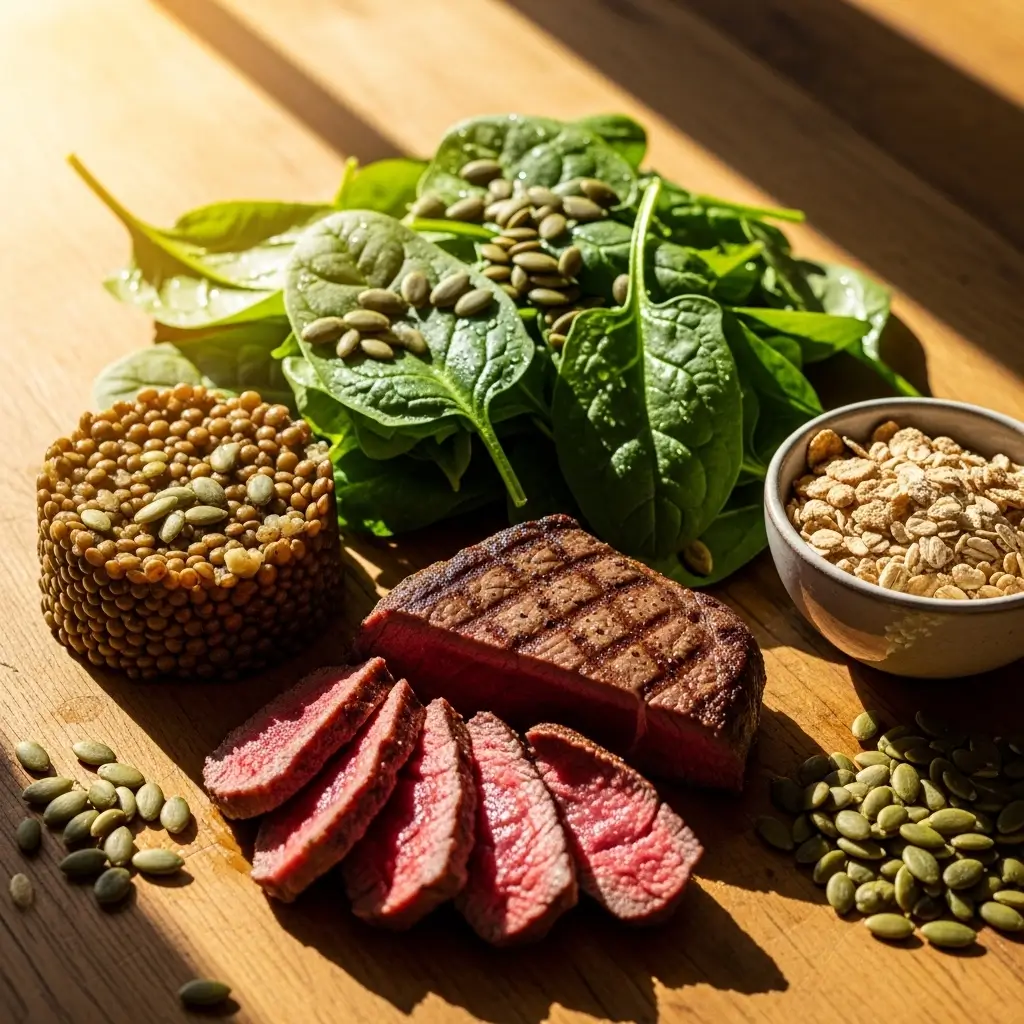
Foods rich in Iron: Red meat, lentils, spinach, pumpkin seeds, and fortified cereals.
Benefits:
- Reduces tiredness and weakness
- Enhances focus and concentration
- Supports healthy circulation
- Prevents dizziness
- Essential for menstrual health
Precautions: Excess iron can be harmful. Only supplement if levels are low or recommended by a healthcare provider.
3. Vitamin B12: Brain Power And Daily Energy
Vitamin B12 converts food into energy and supports nerve health and cognitive function. It’s key for maintaining mental clarity during busy days.
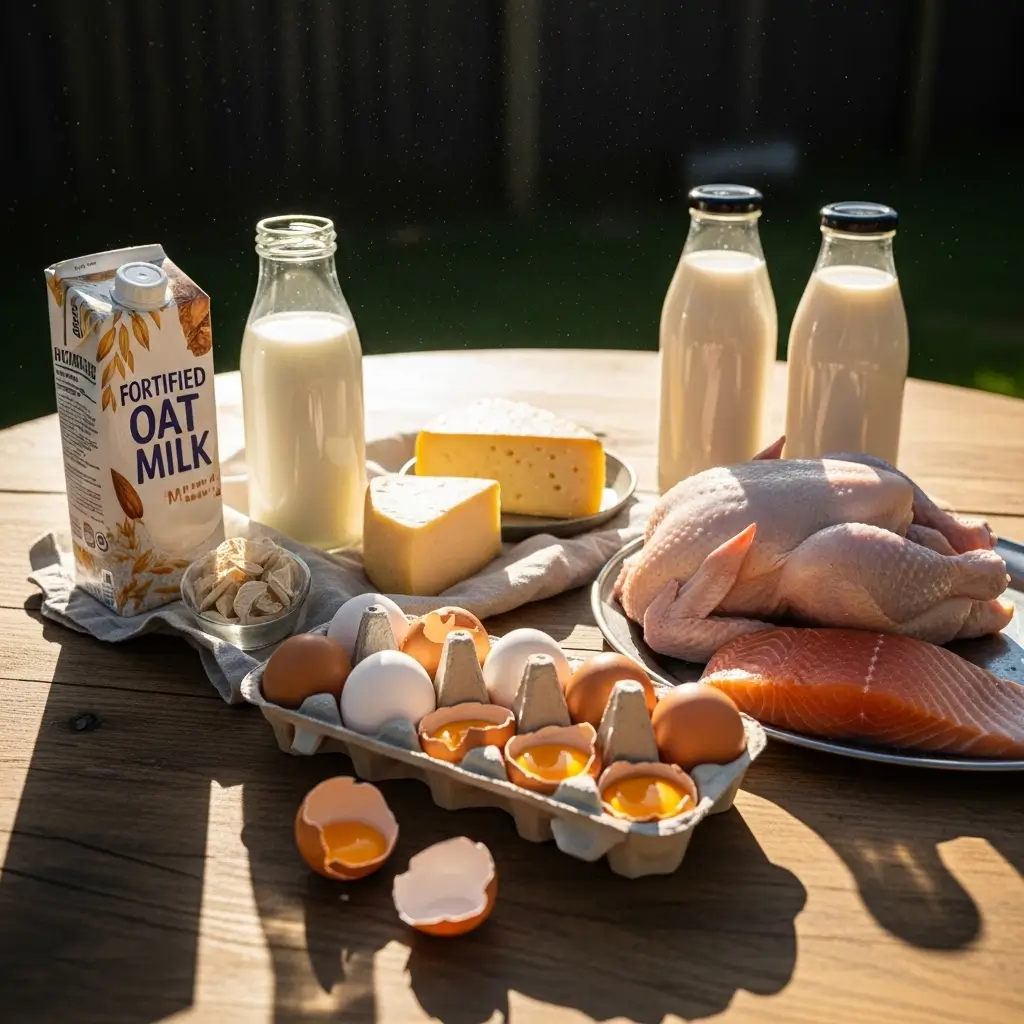
Foods rich in Vitamin B12: Eggs, dairy products, chicken, salmon, and fortified plant-based milks.
Benefits:
- Improves memory and concentration
- Supports nervous system health
- Reduces mental fatigue
- Boosts daily productivity
- Aids red blood cell formation
Precautions: High doses should still be taken with caution.
4. Vitamin B6: Stress Management And Emotional Balance
Vitamin B6 helps the brain produce chemicals that regulate mood and stress responses, making it easier to handle daily pressures.
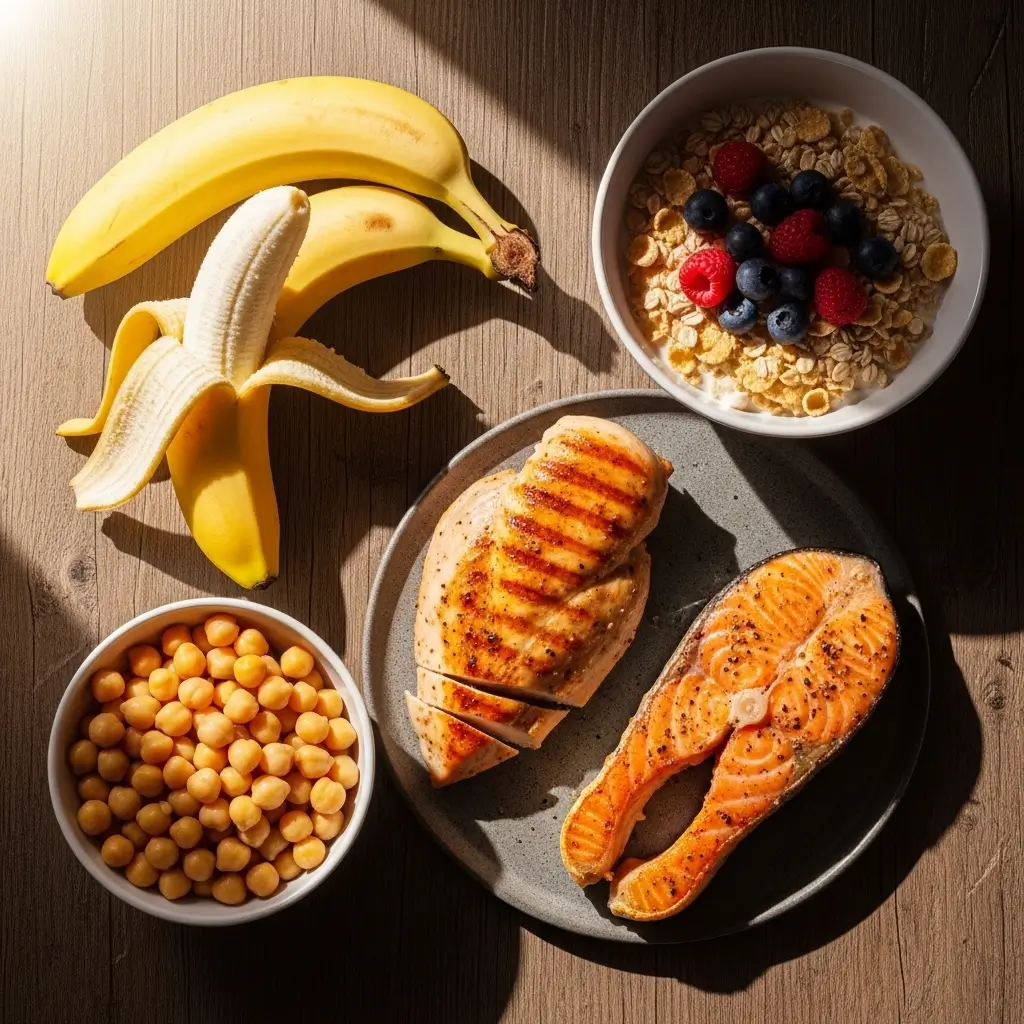
Foods rich in Vitamin B6: Chickpeas, bananas, chicken, salmon, fortified cereals.
Benefits:
- Helps manage stress and anxiety
- Supports emotional stability
- Reduces irritability
- Maintains healthy brain function
- Supports energy metabolism
Precautions: High long term doses may affect nerves. Stick to recommended intake.
5. Folate (Vitamin B9): Cell Health And Pregnancy Support
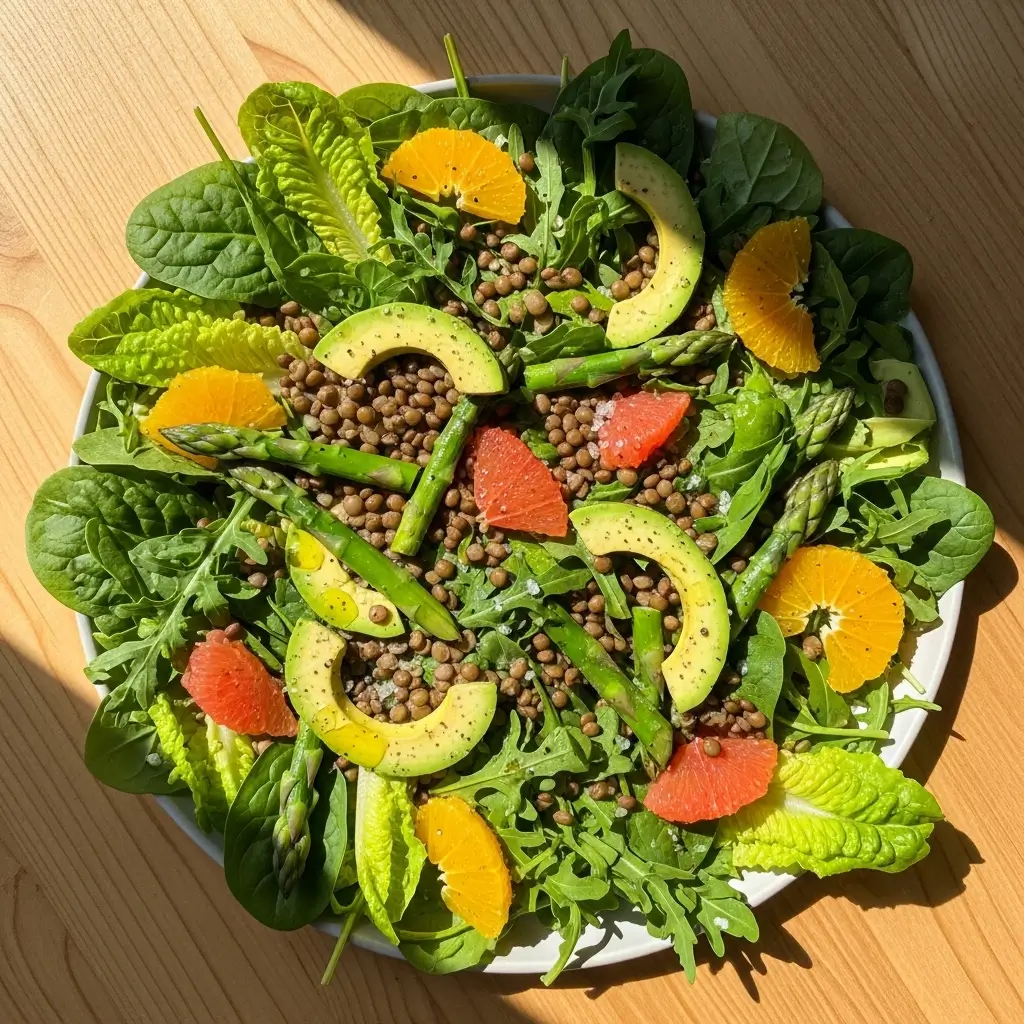
Folate is crucial for cell growth and DNA formation. It’s especially important for women planning pregnancy, but it also supports general cellular health.
Foods rich in Folate: Leafy greens, lentils, asparagus, avocado, citrus fruits.
Benefits:
- Promotes healthy cell growth
- Reduces fatigue
- Supports brain function
- Essential during pregnancy planning
- Supports emotional well being
Precautions: Avoid excessive supplementation unless advised.
6. Calcium: Strong Bones And Muscle Function
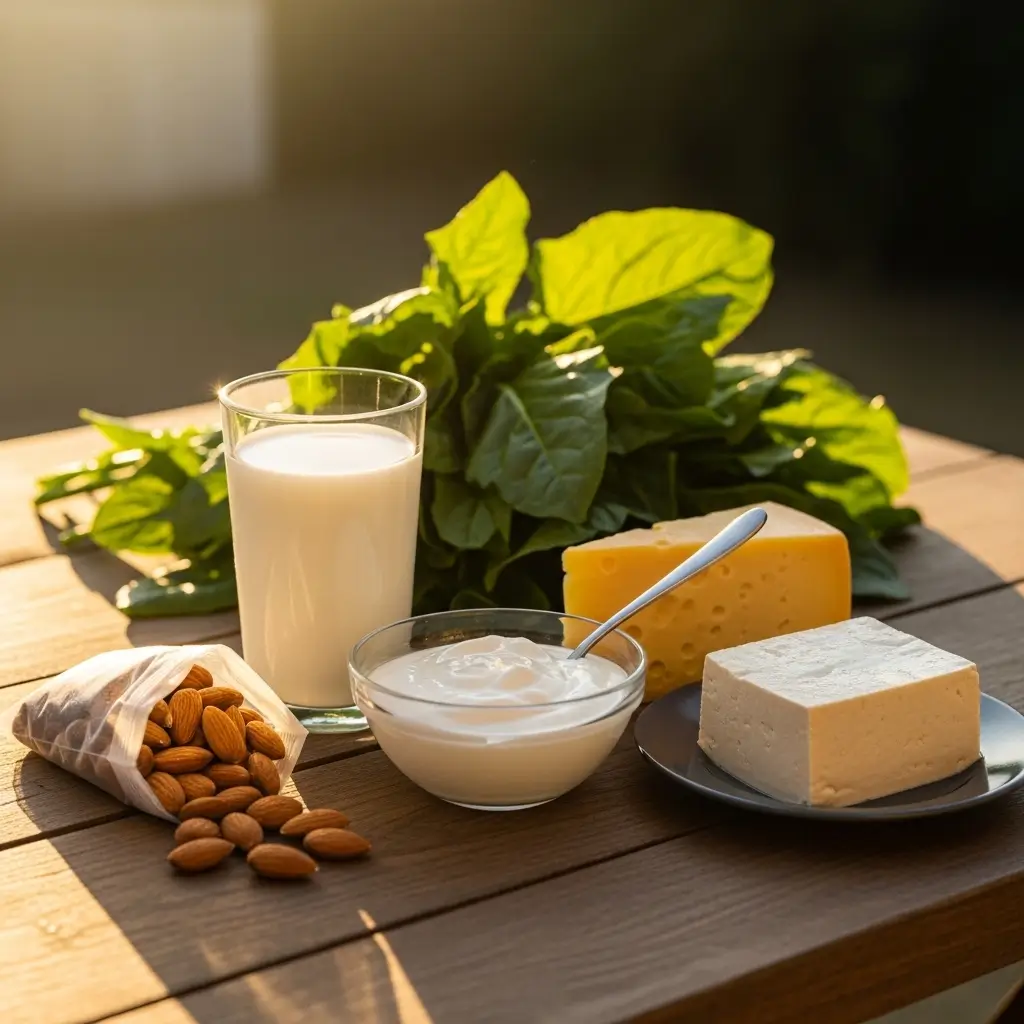
Calcium maintains bone density, teeth strength, and proper muscle function, and paired with vitamin D, helps prevent osteoporosis.
Foods rich in Calcium: Milk, yogurt, cheese, tofu, almonds, leafy greens.
Benefits:
- Strengthens bones and teeth
- Reduces risk of bone loss
- Supports muscle movement and posture
- Works best with vitamin D
Precautions: Too much calcium may cause kidney issues. Balance with food and supplements.
7. Vitamin C: Immunity And Recovery
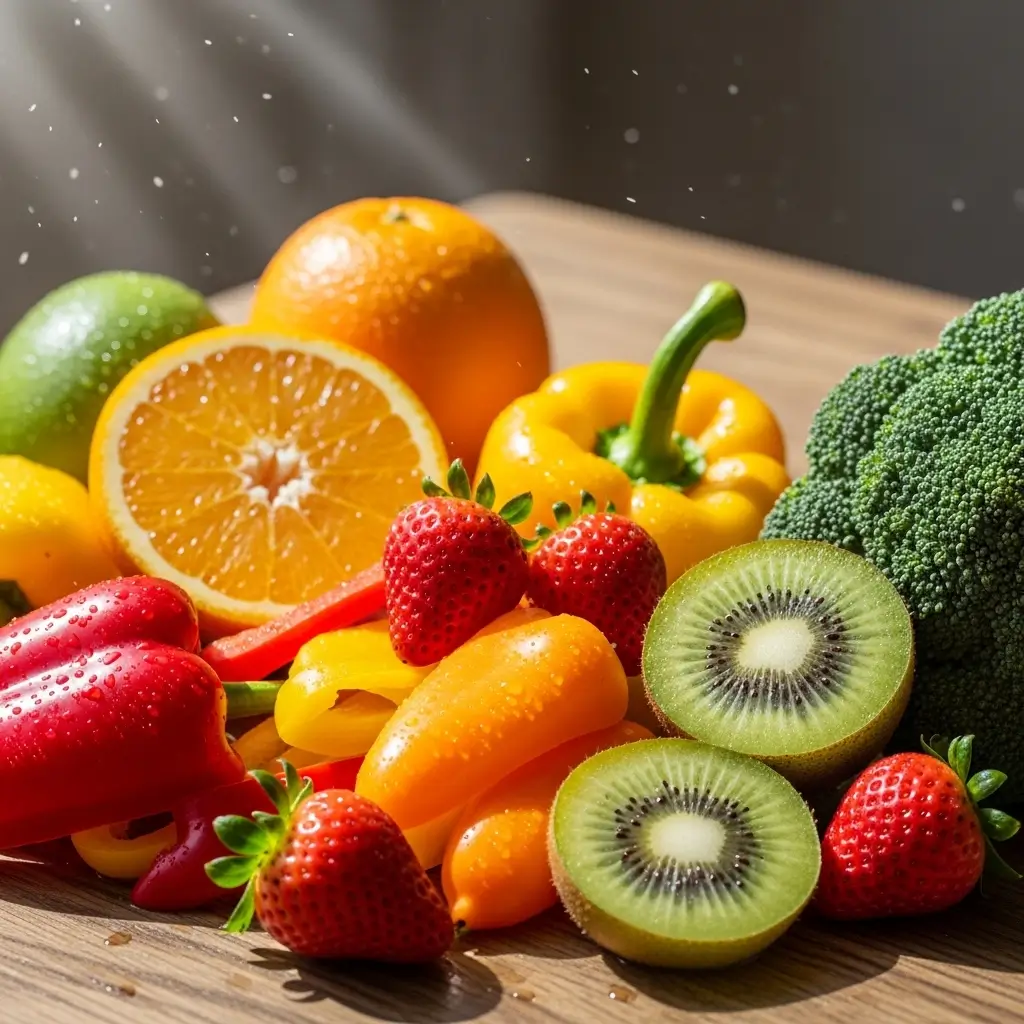
Vitamin C is a powerful antioxidant that aids immunity, tissue repair, and iron absorption. It also supports mental clarity and reduces oxidative stress.
Foods rich in Vitamin C: Oranges, strawberries, bell peppers, kiwi, broccoli.
Benefits:
- Strengthens the immune system
- Supports recovery from stress
- Improves iron absorption
- Promotes healthy skin
- Protects cells from damage
Precautions: High doses may upset the stomach. Spread intake across foods and supplements.
8. Vitamin E: Skin, Hormones, And Cell Protection
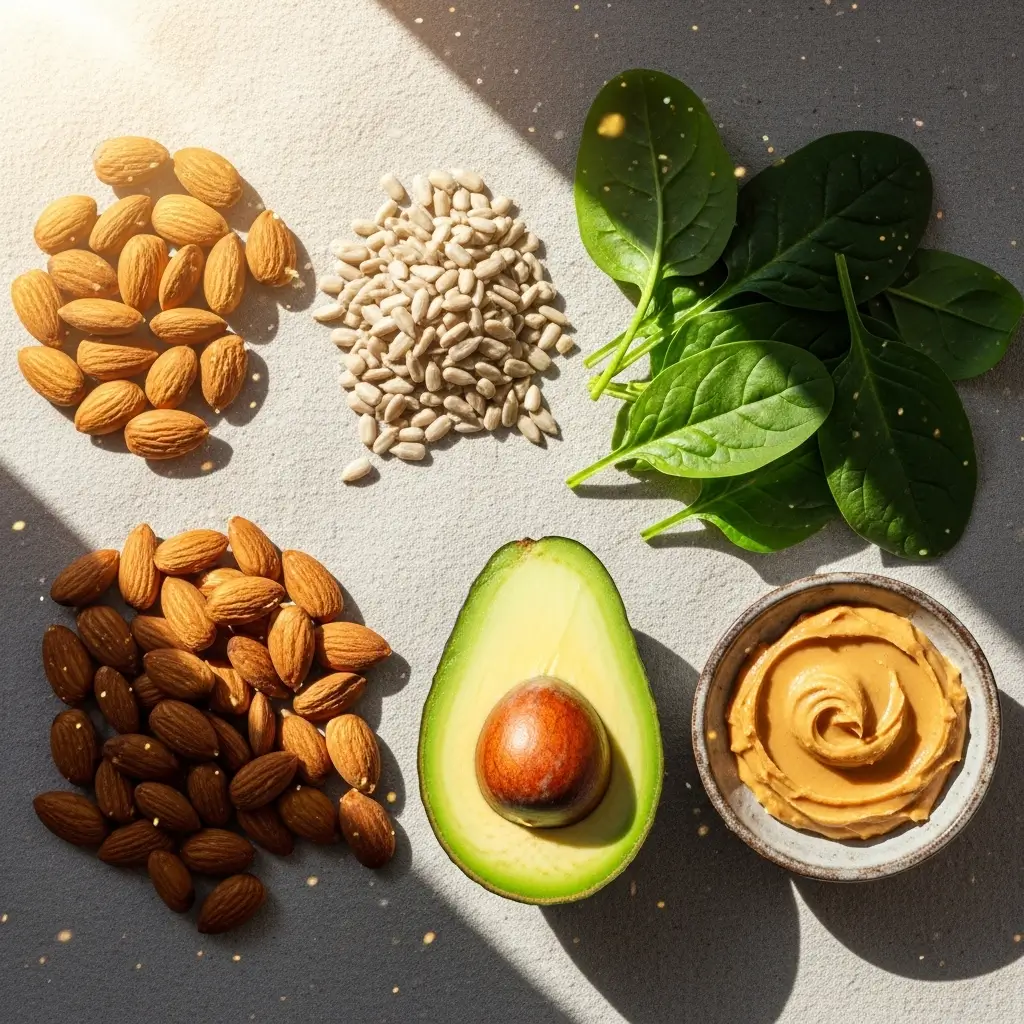
Vitamin E protects cells from oxidative stress, supports healthy skin, and maintains hormonal balance.
Foods rich in Vitamin E: Almonds, sunflower seeds, spinach, avocado, peanut butter.
Benefits:
- Enhances skin appearance
- Protects cells from damage
- Supports immunity
- Reduces inflammation
- Helps maintain hormonal balance
Precautions: Excess intake may increase bleeding risk. Avoid high dose supplements.
9. Vitamin A: Vision, Skin, And Immunity
Vitamin A is essential for healthy eyesight, skin repair, and a strong immune system.
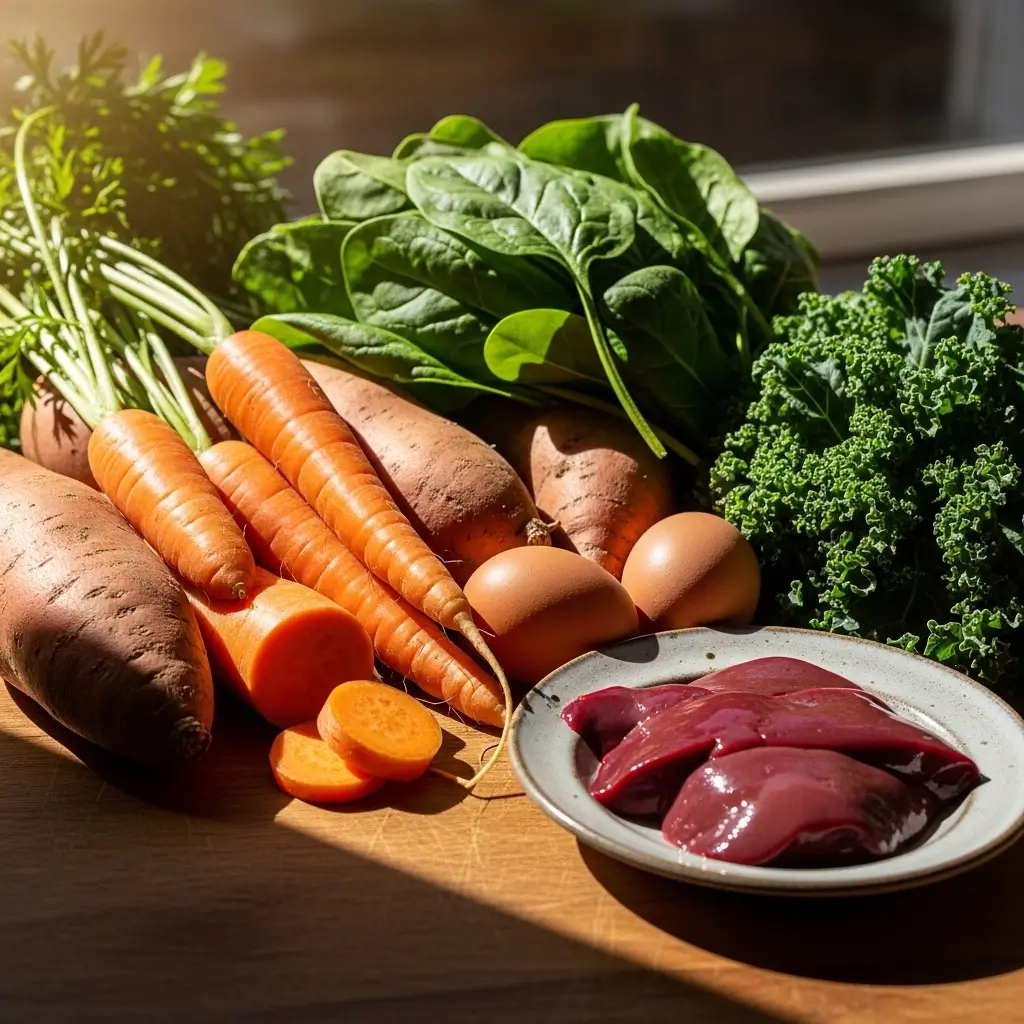
Foods rich in Vitamin A: Carrots, sweet potatoes, spinach, kale, eggs, liver.
Benefits:
- Maintains healthy eyesight
- Supports skin repair
- Boosts immunity
- Promotes cell growth and tissue repair
Precautions: High doses can be toxic, especially during pregnancy. Stick to safe levels.
10. Vitamin K: Blood And Bone Support
Vitamin K is important for blood clotting and works with calcium for strong bones.
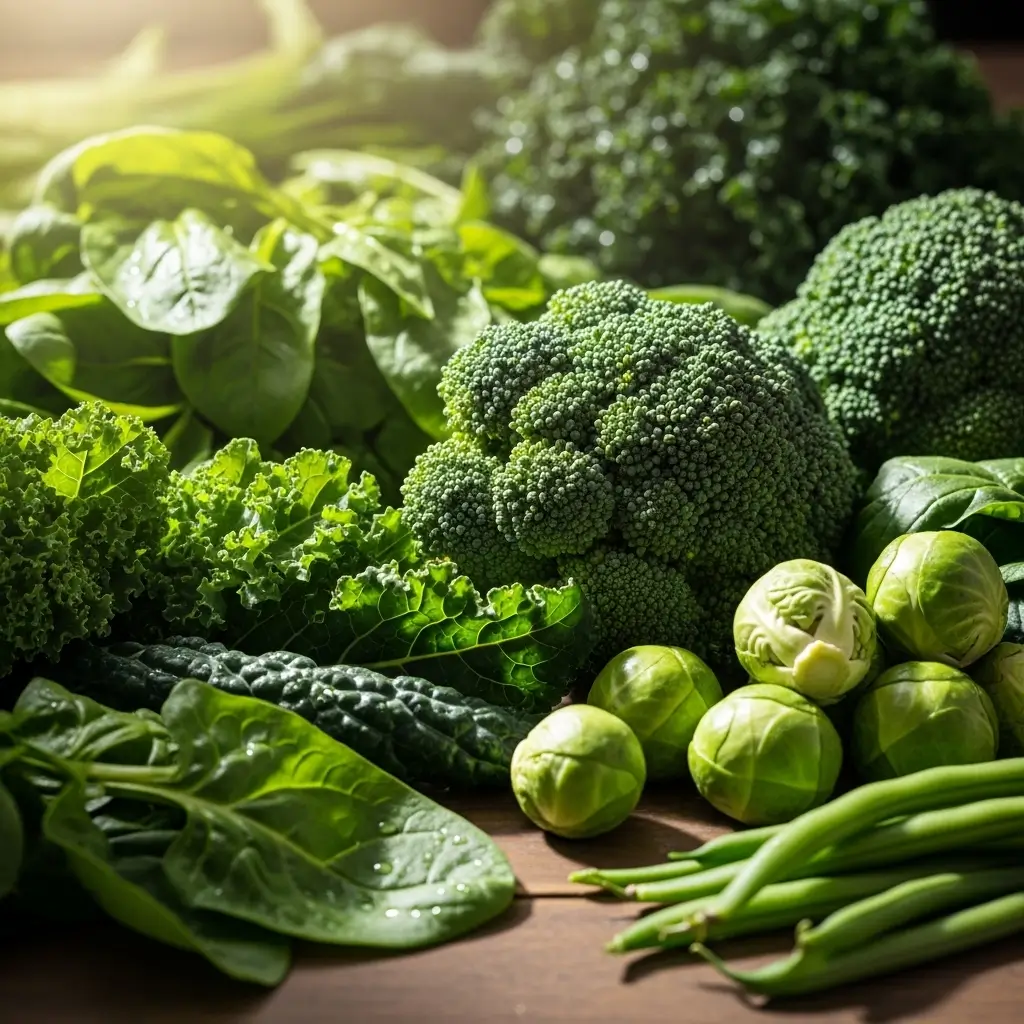
Foods rich in Vitamin K: Kale, spinach, broccoli, Brussels sprouts, green beans.
Benefits:
- Ensures proper blood clotting
- Strengthens bones
- Supports heart health
- Prevents bone loss
Precautions: May interfere with blood-thinning medications. Consult a healthcare provider if needed.
11. Omega-3: Brain, Heart, And Emotional Well Being
Omega-3 fatty acids support brain function, heart health, and hormone balance. They also contribute to emotional stability and stress management.
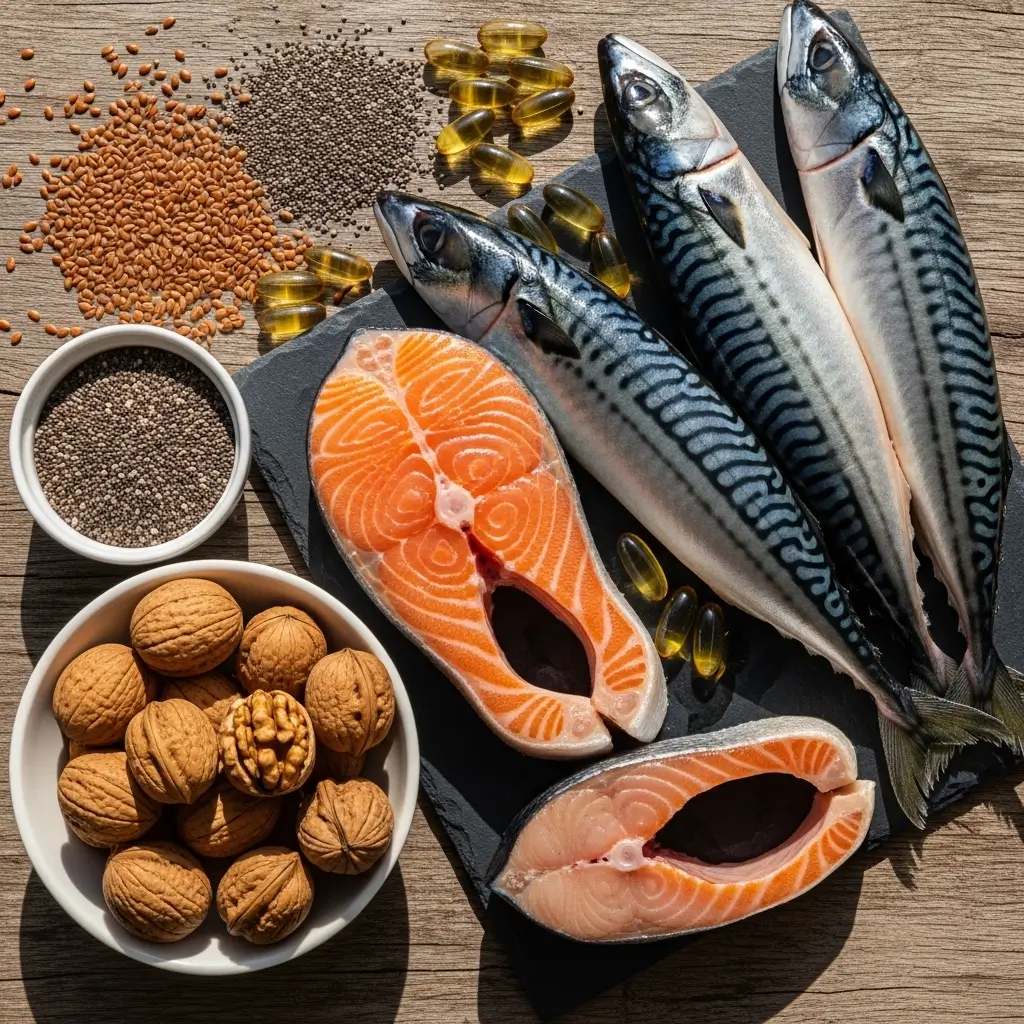
Foods rich in Omega 3: Salmon, mackerel, walnuts, flaxseeds, chia seeds, algae based supplements.
Benefits:
- Enhances memory and cognition
- Improves emotional stability
- Reduces inflammation
- Supports heart health
- Helps manage stress and burnout
Precautions: High doses may thin blood. Choose high quality sources like fish or algae-based supplements.
12. Magnesium: Sleep, Stress, And Muscle Support
Magnesium supports muscle relaxation, nerve function, and sleep quality. It also helps manage stress naturally.
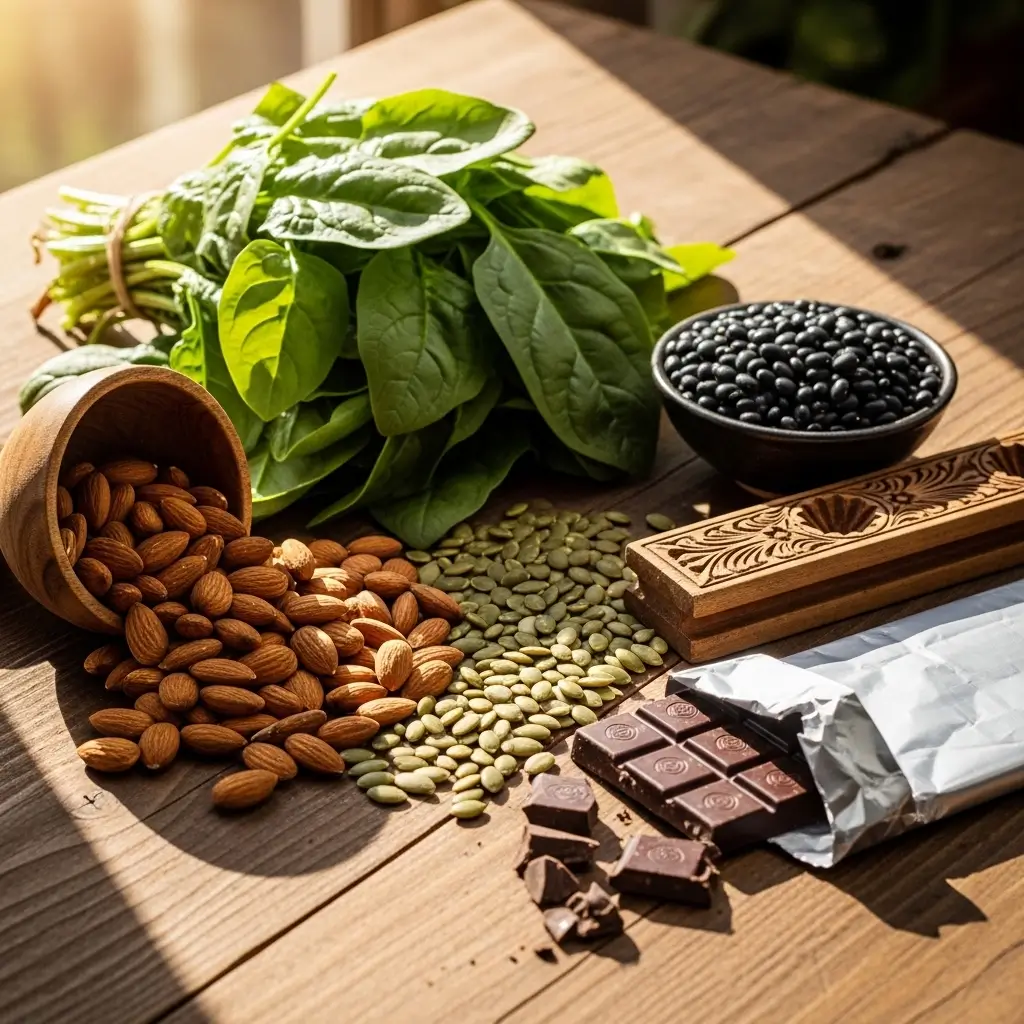
Foods rich in Magnesium: Spinach, almonds, pumpkin seeds, black beans, dark chocolate.
Benefits:
- Improves sleep quality
- Reduces stress and anxiety
- Prevents muscle cramps
- Supports energy production
Precautions: High doses may cause digestive issues. Start with moderate intake.
13. Biotin: Hair, Skin, And Nails
Biotin helps metabolize nutrients and supports hair, skin, and nail health. It’s also linked to steady energy metabolism.
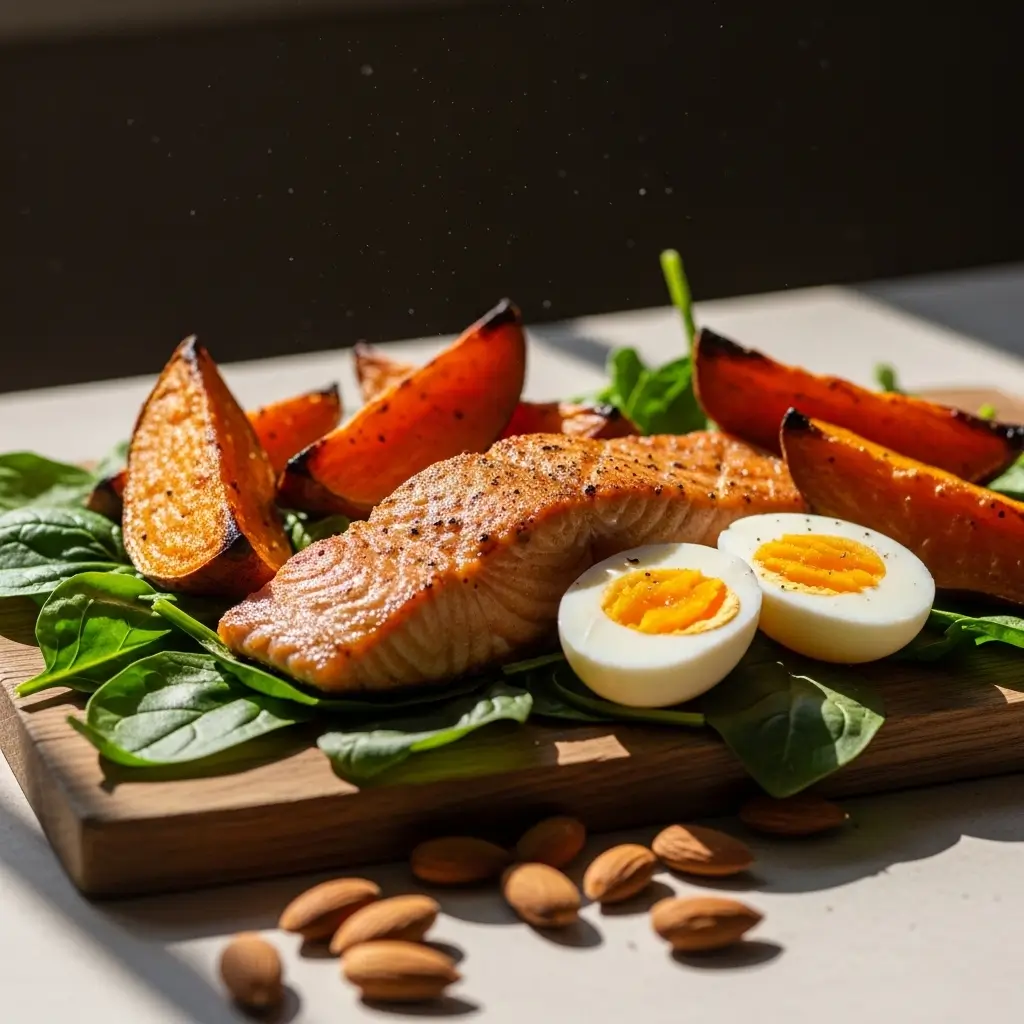
Foods rich in Biotin: Eggs, almonds, sweet potatoes, salmon, spinach.
Benefits:
- Strengthens hair
- Improves nail quality
- Supports healthy skin
- Boosts energy metabolism
Precautions: May affect lab test results. Inform your doctor if taking supplements.
14. Zinc: Immunity And Hormone Regulation
Zinc is essential for immune function, wound healing, and hormone balance, making it key for energy and libido boost.
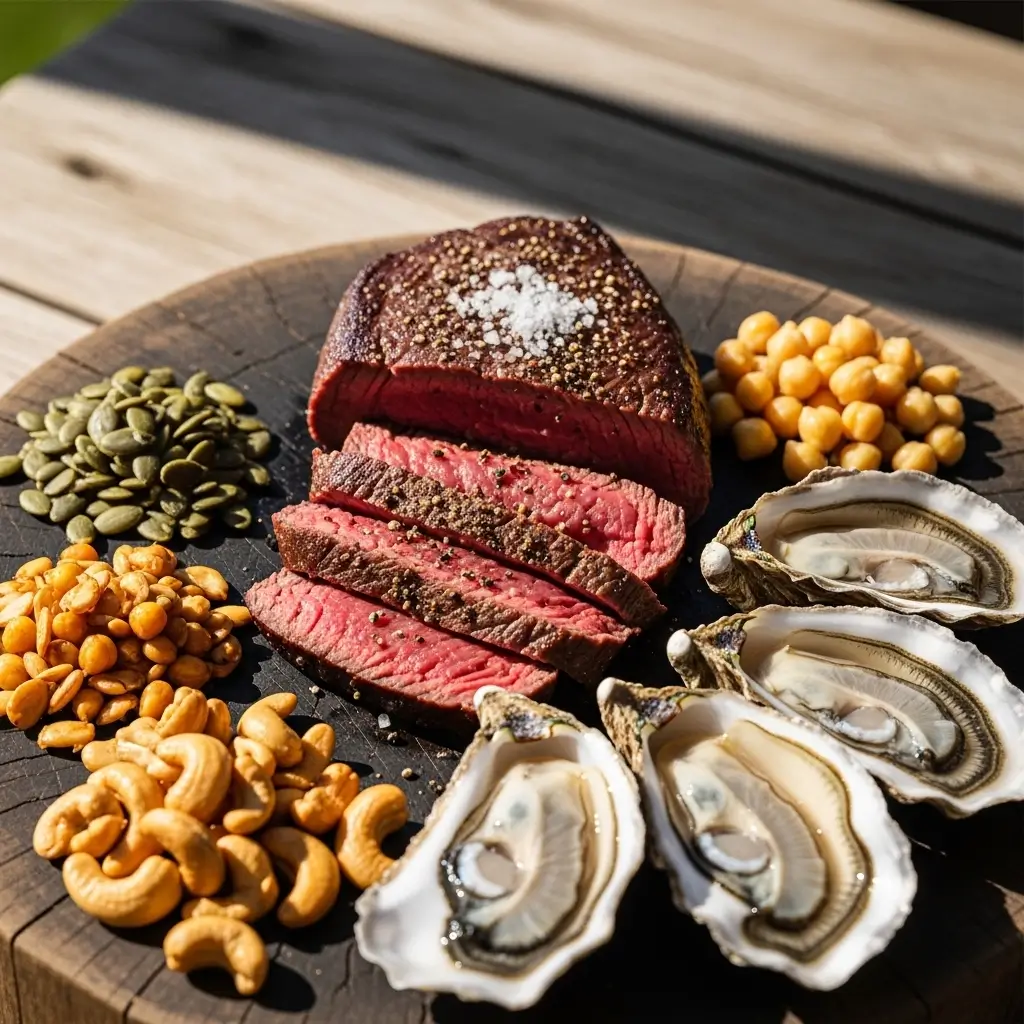
Foods rich in Zinc: Beef, pumpkin seeds, chickpeas, cashews, oysters.
Benefits:
- Strengthens immunity
- Supports hormone regulation
- Improves skin health
- Assists wound healing
- Enhances mental clarity
Precautions: Too much zinc can reduce copper levels. Avoid long term high doses.
Final Thoughts: Must Have Vitamins for Women to Build Health
The best vitamins for women support energy, focus, emotional balance, and long term well being. They work best when combined with balanced meals, hydration, exercise, and consistent self care.
Start small, focus on one nutrient at a time if needed, and remember that wellness is a journey, not a quick fix. Nourish your body, prioritize rest, and embrace the process with patience and confidence.