
Life feels busy. Your mind feels full. And sometimes, it feels impossible to slow down.
You wake up thinking about work. During the day, your mind jumps from one worry to another. At night, even when you’re tired, your thoughts keep running.
This is exactly why many people start meditation.
The good news? Meditation is not complicated. You don’t need special skills, expensive tools, or hours of free time. Anyone can start. Even five minutes a day can make a difference.
This meditation guide will help you understand what meditation is, how to start, and how to build a habit that actually lasts.
1. What Is Meditation?
Meditation is simply training your mind to focus and stay present.
Instead of getting lost in thoughts about the past or future, meditation helps you notice what is happening right now. You pay attention to your breathing, your body, or your surroundings.
Many beginners think meditation means stopping all thoughts. That’s not true. Your mind will wander. Thoughts will come. That is normal.
Meditation is not about removing thoughts. It is about noticing them and gently bringing your attention back.
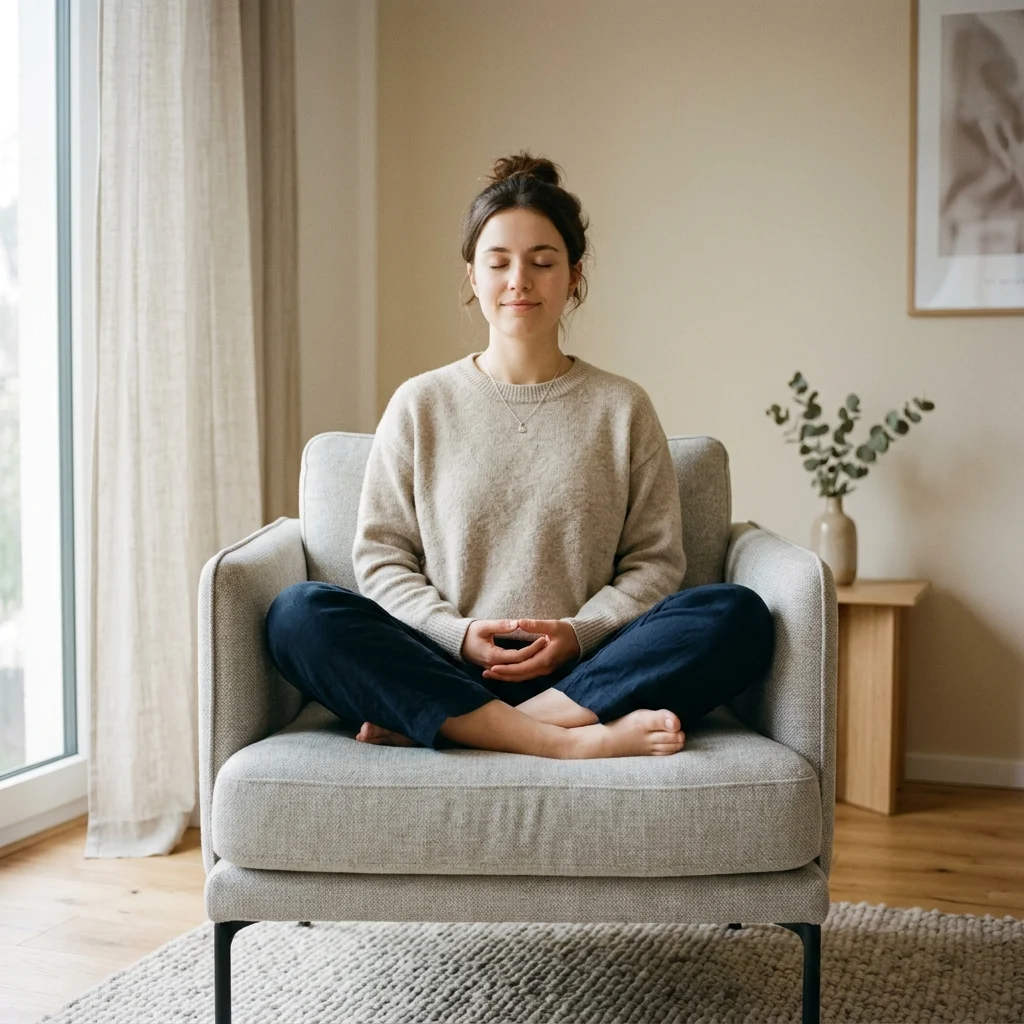
You also don’t need:
- A quiet mountain
- Special clothing
- Long sessions
- Spiritual experience
Meditation can be done anywhere. At home. At work. Even sitting in your car. That’s what makes meditation simple and beginner-friendly.
2. How To Meditate For Beginners
Starting meditation is easier than you think. Follow these simple steps:
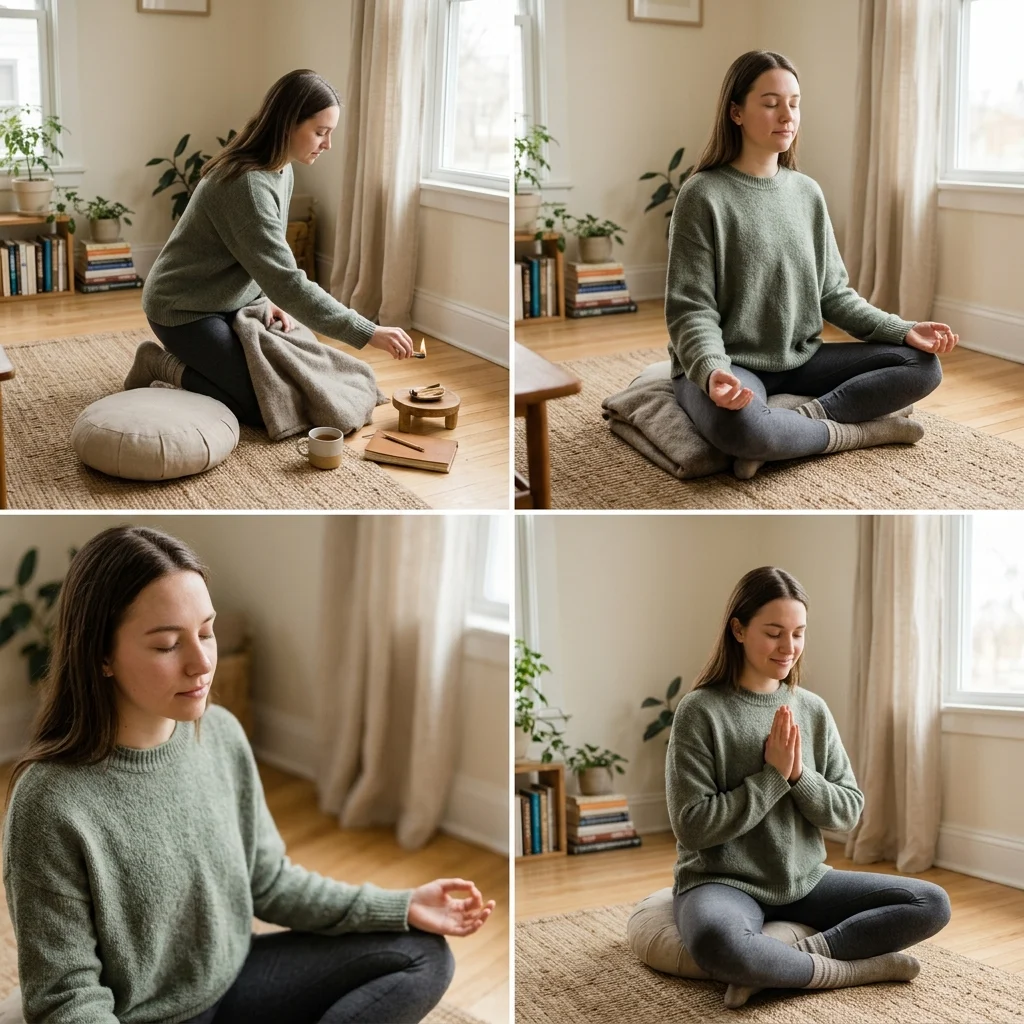
Step 1: Find a Quiet Place
Choose a place where you won’t be disturbed. It doesn’t have to be perfectly silent. Just somewhere comfortable.
You can sit:
- On a chair
- On the floor
- On your bed
Comfort matters more than posture.
Step 2: Sit Comfortably
Sit with your back straight but relaxed. Rest your hands on your lap or knees.
You don’t need a special position. Just stay comfortable and alert.
Step 3: Focus on Your Breathing
Close your eyes gently. Take slow, natural breaths.
Pay attention to:
- Air entering your nose
- Your chest rising
- Your breathing rhythm
This becomes your focus.
Step 4: Notice Your Thoughts
After a few seconds, your mind will wander.
You might think about:
- Work
- Plans
- Problems
- Random memories
This is normal.
Instead of getting frustrated, simply notice the thought and return to your breathing.
Step 5: Bring Your Focus Back
Every time your mind wanders, gently bring it back.
No judgment. No frustration.
This is the actual meditation practice.
Step 6: Start With 5 Minutes
Beginners should keep sessions short.
Start with:
- 5 minutes daily
- Then increase gradually
- Consistency matters more than time
This is the simplest form of Simple Meditation that anyone can follow.
3. Best Meditation Techniques
There are many meditation styles. But beginners should start with simple ones.
Here are the most effective options:
1. Breathing Meditation
This is the easiest technique.
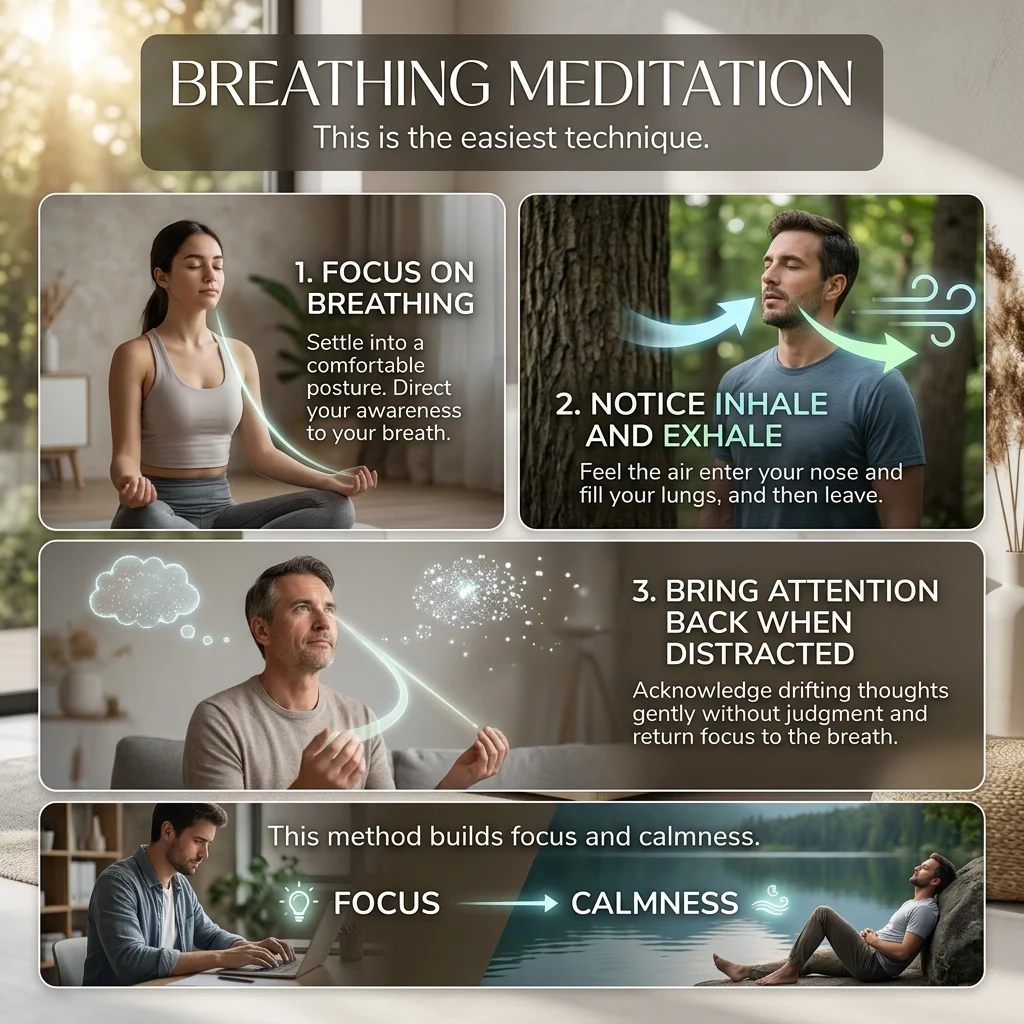
You simply:
- Focus on breathing
- Notice inhale and exhale
- Bring attention back when distracted
This method builds focus and calmness.
2. Mindfulness Meditation
In mindfulness meditation, you observe:
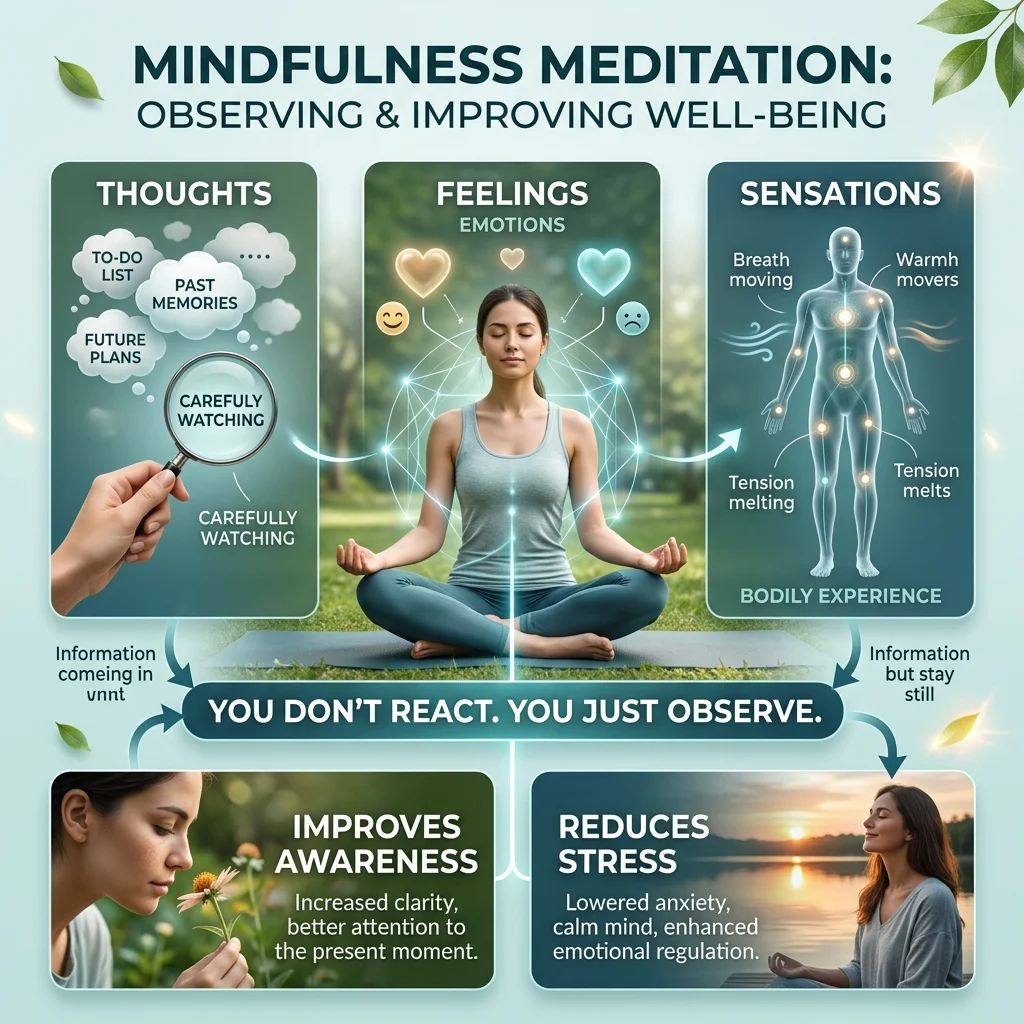
- Thoughts
- Feelings
- Sensations
You don’t react. You just observe.
This technique improves awareness and reduces stress.
3. Guided Meditation
Guided meditation is helpful for beginners.
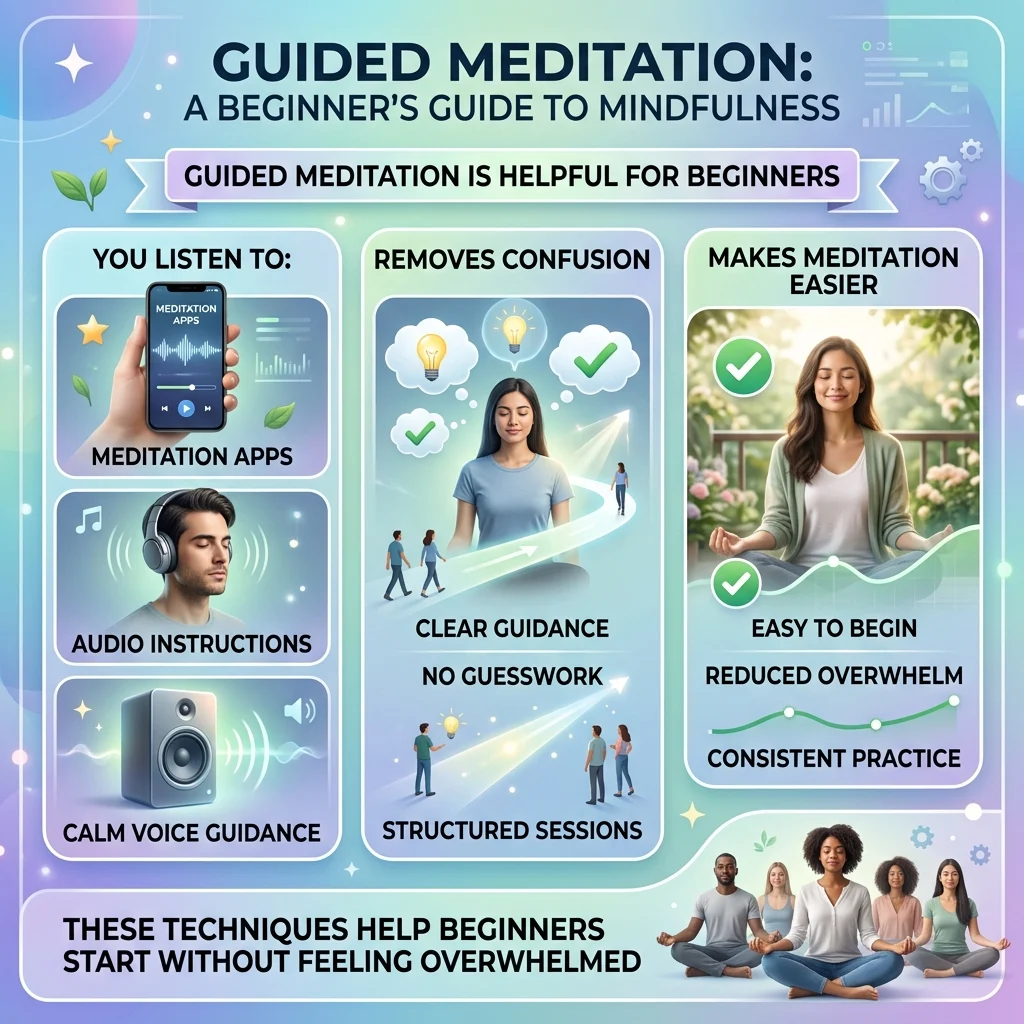
You listen to:
- Audio instructions
- Meditation apps
- Calm voice guidance
This removes confusion and makes meditation easier.
These meditation techniques help beginners start without feeling overwhelmed.
4. Benefits of Meditation for Beginners
People start meditation for different reasons. Some want to reduce stress. Others want better focus. Many simply want peace of mind.

Here are the most common benefits beginners experience:
1. Reduces Stress
Meditation helps calm your nervous system. When you focus on breathing, your body relaxes naturally. Over time, stress becomes easier to manage.
2. Improves Focus
Meditation trains your attention. You learn to bring your mind back when it wanders. This improves concentration in daily life.
3. Helps With Anxiety
Meditation teaches you to observe thoughts without reacting. This reduces worry and overthinking.
4. Better Sleep
When your mind becomes calmer, falling asleep becomes easier. Many beginners notice improvements in sleep within weeks.
5. Improves Emotional Balance
Meditation helps you pause before reacting. This improves patience, calmness, and emotional control.
These benefits are why many people add daily meditation to their routine. Even short sessions can create noticeable changes.
5. How Long Should Beginners Meditate?
Many beginners ask this question. The answer is simple: start small.
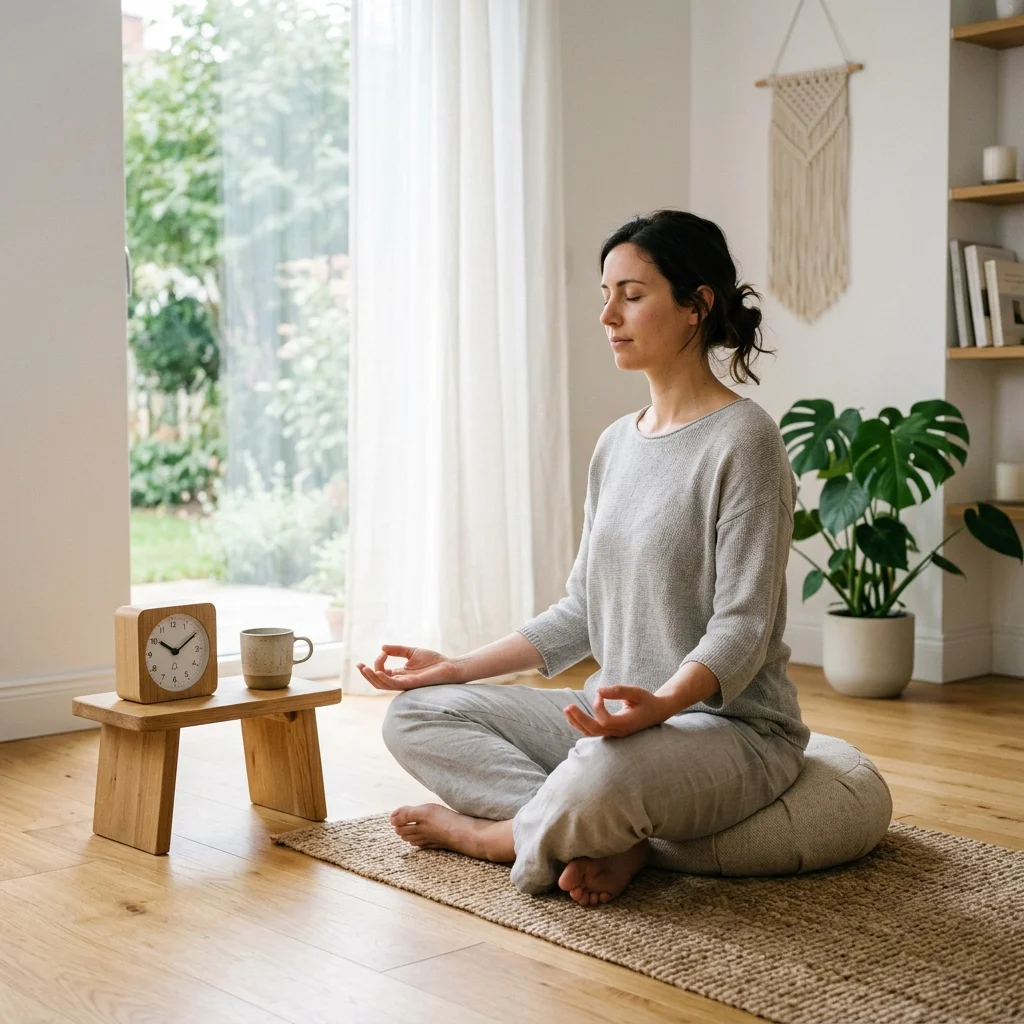
Begin with:
- 5 minutes daily
- Increase to 10 minutes
- Build gradually
Consistency matters more than long sessions.
Meditating for 5 minutes daily is better than meditating once a week for 30 minutes.
Short sessions help build a habit that lasts.
6. Common Beginner Mistakes to Avoid
Beginners often make simple mistakes. Avoiding them helps you progress faster.
a. Trying to Stop Thoughts
You cannot stop thoughts completely. Meditation is about noticing them.
b. Expecting Instant Results
Meditation takes time. Be patient. Small changes build over time.
c. Starting With Long Sessions
Long sessions can feel difficult. Start short and increase gradually.
d. Being Inconsistent
Meditation works best when done daily. Even short sessions help.
e. Getting Frustrated
Mind wandering is normal. Stay calm and continue practicing.
Following this beginner meditation advice helps you stay motivated and consistent.
7. Simple Tips to Stay Consistent
Building a meditation habit takes time. These tips make it easier:
a. Start Small
Start with just 5 minutes. Small steps build long-term habits.
b. Choose Same Time Daily
Meditate:
- Morning
- Before bed
- During breaks
Consistency helps build routine.
c. Create a Calm Space
Choose a quiet corner at home. This helps your brain associate the space with calmness.
d. Be Patient
Meditation improves slowly. Stay consistent and trust the process.
Some people also explore Spiritual Tips along with meditation. But beginners should focus on building a simple daily habit first.
8. Is Meditation Religious?
This is a common beginner question.
Meditation is not religious. It is simply a mental practice.
People from all backgrounds use meditation:
- Professionals
- Students
- Athletes
- Entrepreneurs
“Reiki For Beginners” includes spiritual elements, but basic meditation is about focus and awareness.
You can keep meditation completely simple and practical.
9. Conclusion
Meditation does not have to be complicated. You don’t need experience, special tools, or long sessions.
Just start small.
Sit quietly. Focus on breathing. Bring your attention back when your mind wanders.
Five minutes a day can reduce stress, improve focus, and bring calmness into your life.
Meditation becomes easier with practice. Over time, you’ll notice your mind becoming calmer and clearer.
Start today. Take a deep breath. And begin your meditation journey one minute at a time.