
Getting a tattoo is exciting. Whether it’s your first or your fifth, a new tattoo always feels special. But what many people don’t realize is that the real work begins after you leave the tattoo studio.
A fresh tattoo is essentially an open wound. Your skin needs time to heal, and proper care during this period determines how your tattoo will look in the long run. Good aftercare helps prevent infection, reduces fading, and keeps your tattoo sharp and vibrant.
This tattoo aftercare guide focuses only on what truly matters — how to properly care for your tattoo from the first few hours to full healing.
1. Why Tattoo Aftercare Matters
When a tattoo is created, needles puncture the skin thousands of times. This creates tiny wounds that need proper healing. Without good aftercare, your tattoo can develop problems such as:
- Infection
- Faded ink
- Patchy healing
- Scarring
- Blurred lines
Proper aftercare helps your skin recover smoothly and ensures your tattoo looks its best. Following a modern tattoo aftercare guide also reduces discomfort and speeds up healing.
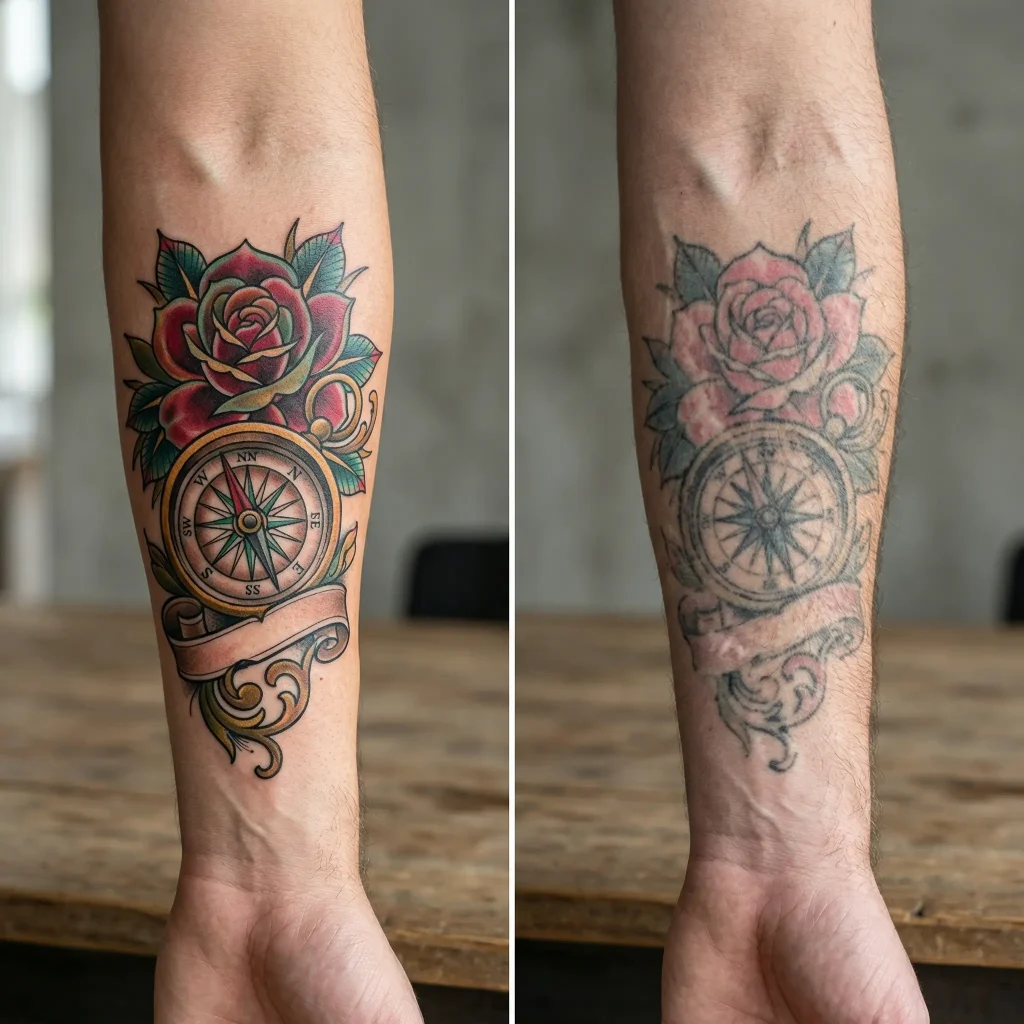
Even small mistakes during healing can affect the final appearance of your tattoo. That’s why consistency is important.
2. Immediate Tattoo Aftercare (First Few Hours)
The first few hours after getting a tattoo are the most important. Your tattoo artist will cover your tattoo with a bandage or protective wrap. This helps prevent bacteria from entering the skin.
a. Remove the Bandage Properly
Follow your tattoo artist’s instructions when removing the bandage. In most cases:
- Cling film should be removed after 2–4 hours
- Second skin or protective film may stay on for up to 72 hours
Before removing the bandage, wash your hands thoroughly. This prevents bacteria from reaching your tattoo.
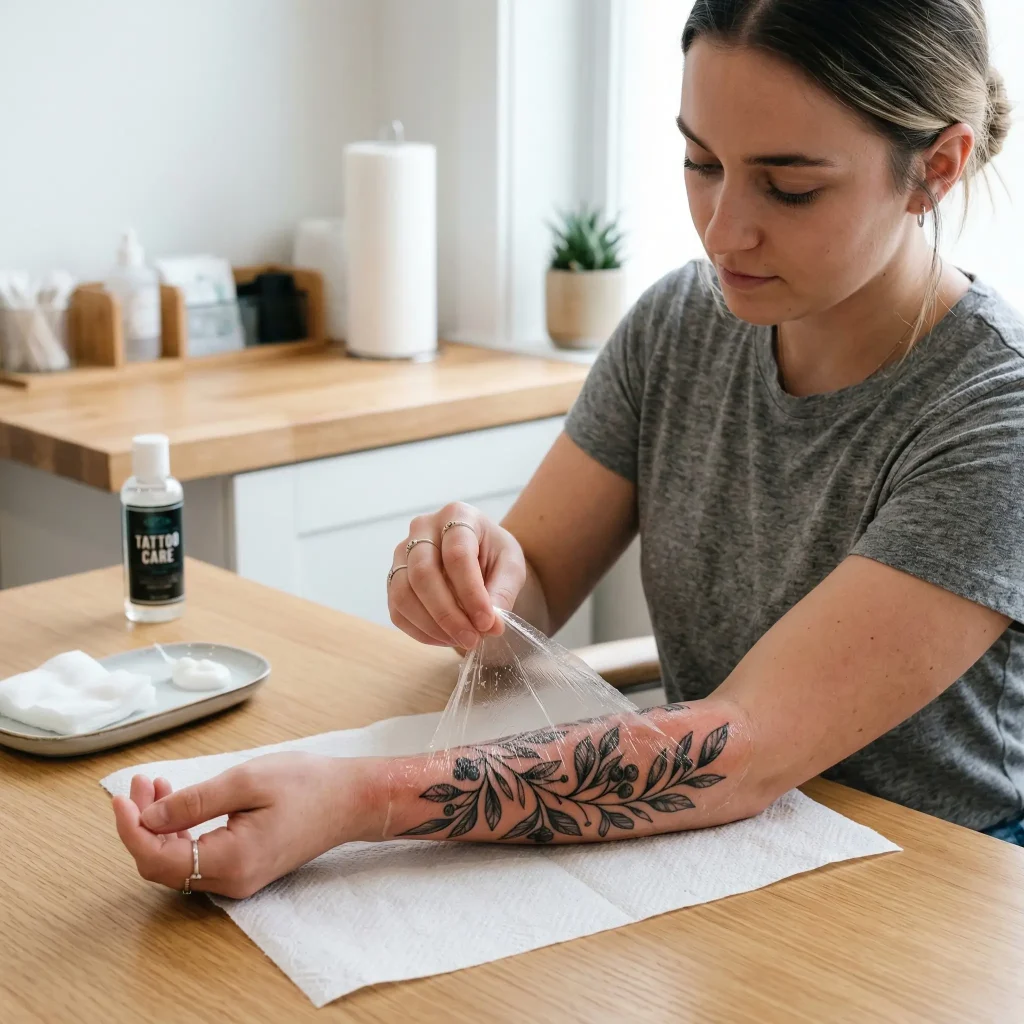
Remove the bandage gently. If it sticks, use warm water to loosen it. Never pull it off quickly, as this can irritate the skin.
b. Wash Your Tattoo Gently
Once the bandage is removed, wash your tattoo carefully. Use warm water and a mild, fragrance-free antibacterial liquid soap.
Gently clean away any:
- Plasma
- Blood
- Excess ink
Do not scrub your tattoo. Scrubbing can damage healing skin and remove ink.
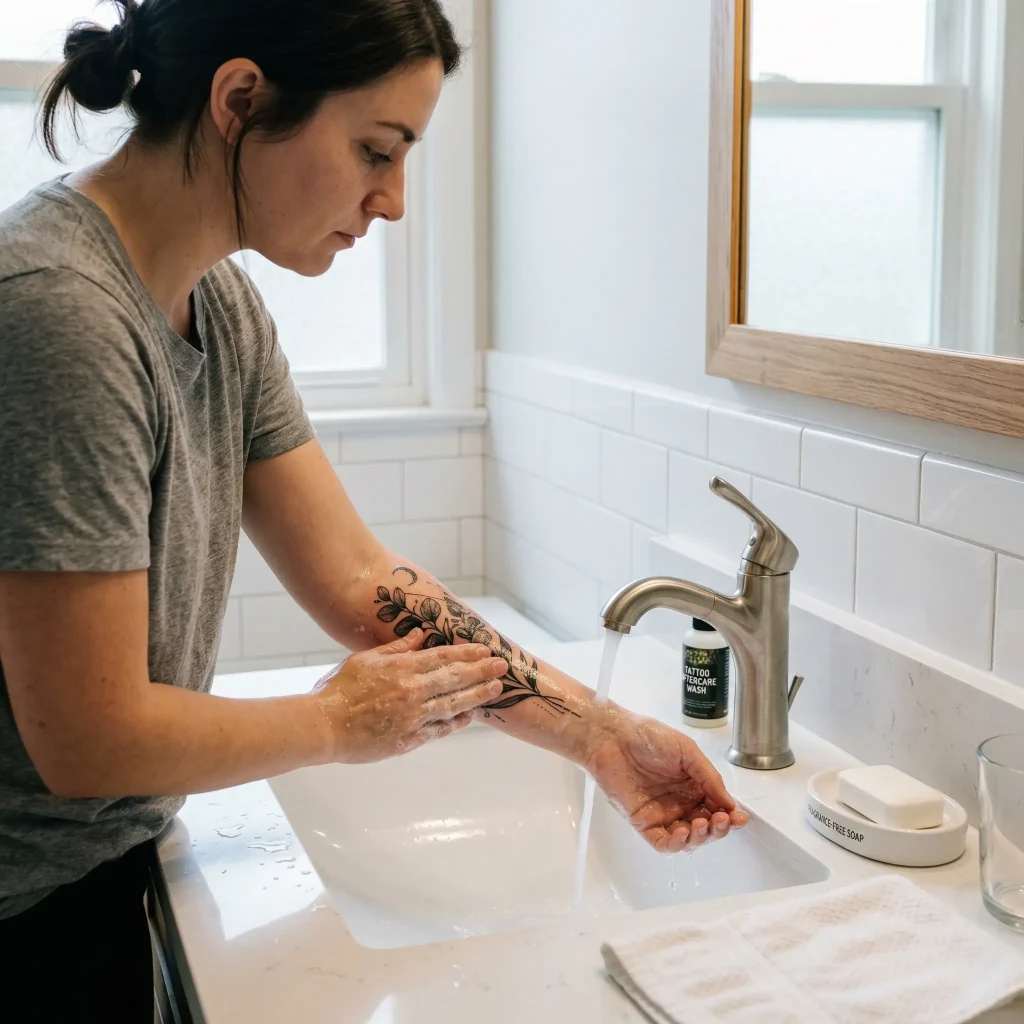
Cleaning your tattoo properly is one of the most important tattoo aftercare instructions to follow.
c. Pat Dry Carefully
After washing, gently pat your tattoo dry using a clean paper towel.
Avoid using cloth towels. Cloth towels can carry bacteria and irritate sensitive skin.
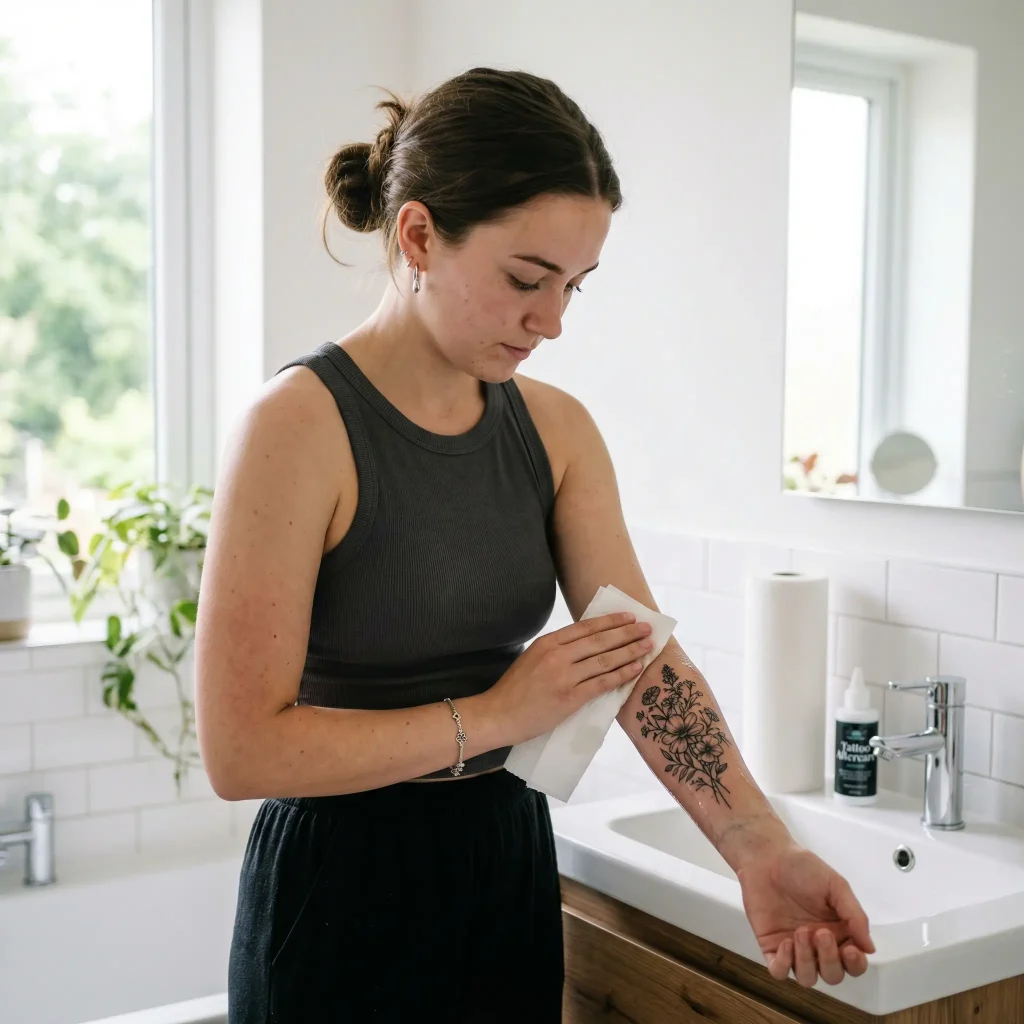
Do not rub your tattoo. Rubbing can damage the healing area and slow recovery.
Let your tattoo air dry for a few minutes before applying any lotion.
d. Apply Lotion or Ointment
Once your tattoo is dry, apply a very thin layer of fragrance-free lotion or tattoo aftercare balm.
You can use:
- Fragrance-free lotion
- Tattoo aftercare balm
- Gentle moisturizer
Apply lotion 2–3 times daily. Always use a thin layer. Too much lotion can clog pores and slow healing.
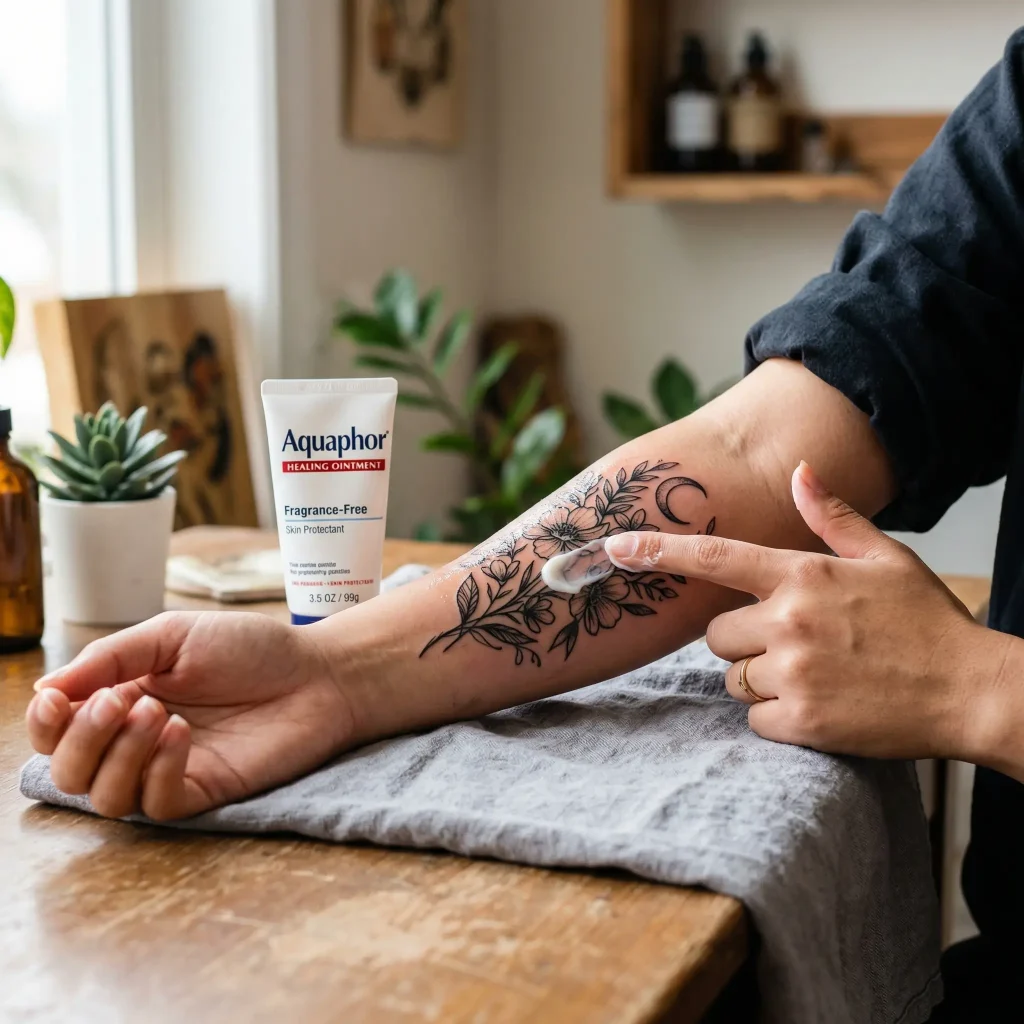
Following this step helps keep your skin hydrated and supports the best tattoo aftercare routine.
3. Daily Tattoo Aftercare Routine
Creating a simple routine helps your tattoo heal faster. You don’t need complicated steps. Consistency is what matters most.
a. Morning
Wash your tattoo gently using warm water and mild soap. Pat dry and apply a thin layer of moisturizer.
b. During the Day
Keep your tattoo clean and avoid touching it unnecessarily. If your skin feels dry, apply a small amount of lotion.
c. Night
Wash your tattoo again before bed. Apply a thin layer of moisturizer to keep your skin hydrated overnight.
This simple routine forms the foundation of proper aftercare for tattoo healing.
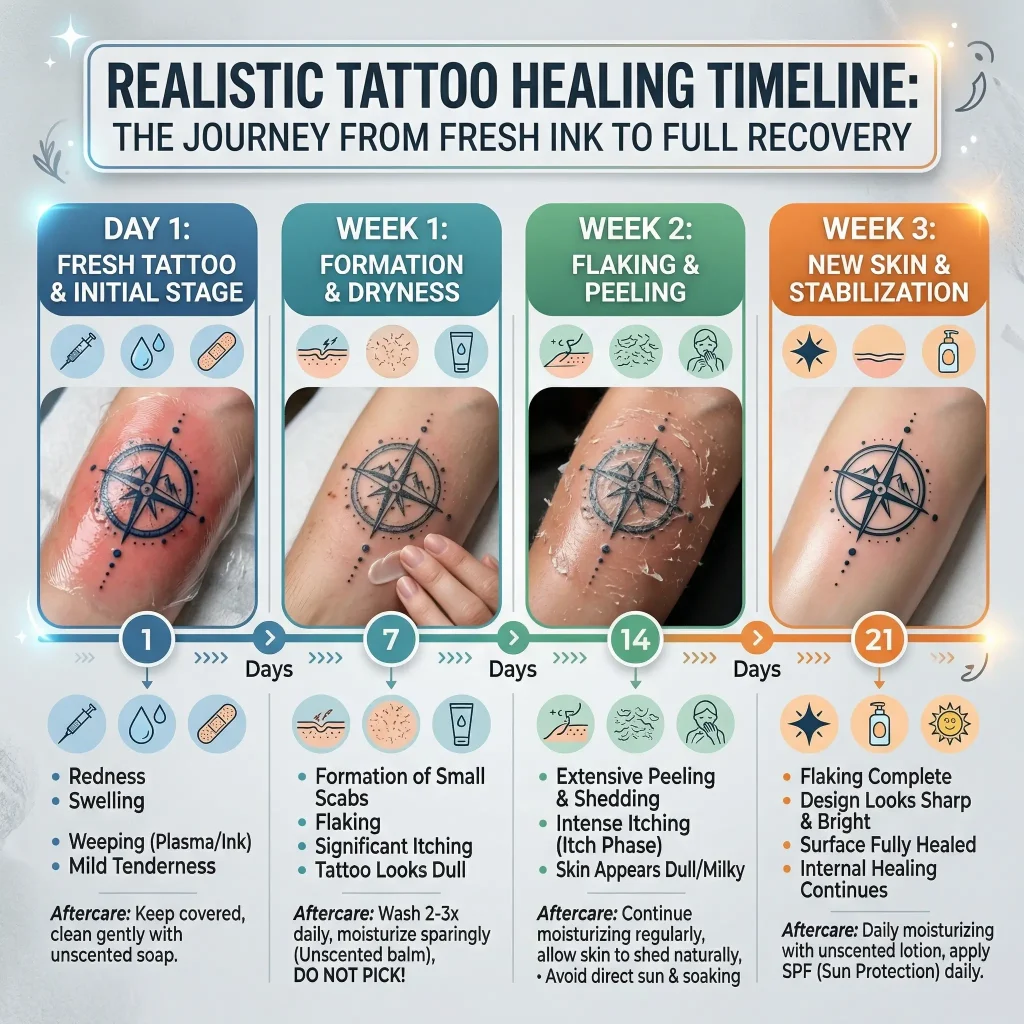
4. Tattoo Healing Timeline
Understanding the healing process helps you know what to expect.
a. First Week
During the first week, your tattoo may appear red and slightly swollen. This is normal. You may also notice some fluid or ink leakage.
After a few days, your tattoo may start to peel or flake. This is part of the healing process.
Your tattoo may also feel itchy. Avoid scratching or picking during this stage.
b. Second Week
During the second week, peeling usually continues. Your tattoo may look dull or cloudy. This is temporary.
Continue moisturizing and keeping the tattoo clean. The skin underneath is still healing.
c. Weeks Three to Four
By this stage, your tattoo may appear healed on the surface. However, deeper skin layers are still recovering.
Continue gentle care and avoid sun exposure.
d. Full Healing
Surface healing usually takes 2 to 3 weeks. Full healing of deeper skin layers can take several months.
Being patient during this process helps your tattoo heal properly.
5. What To Avoid During Tattoo Healing
Avoiding certain things is just as important as proper care.
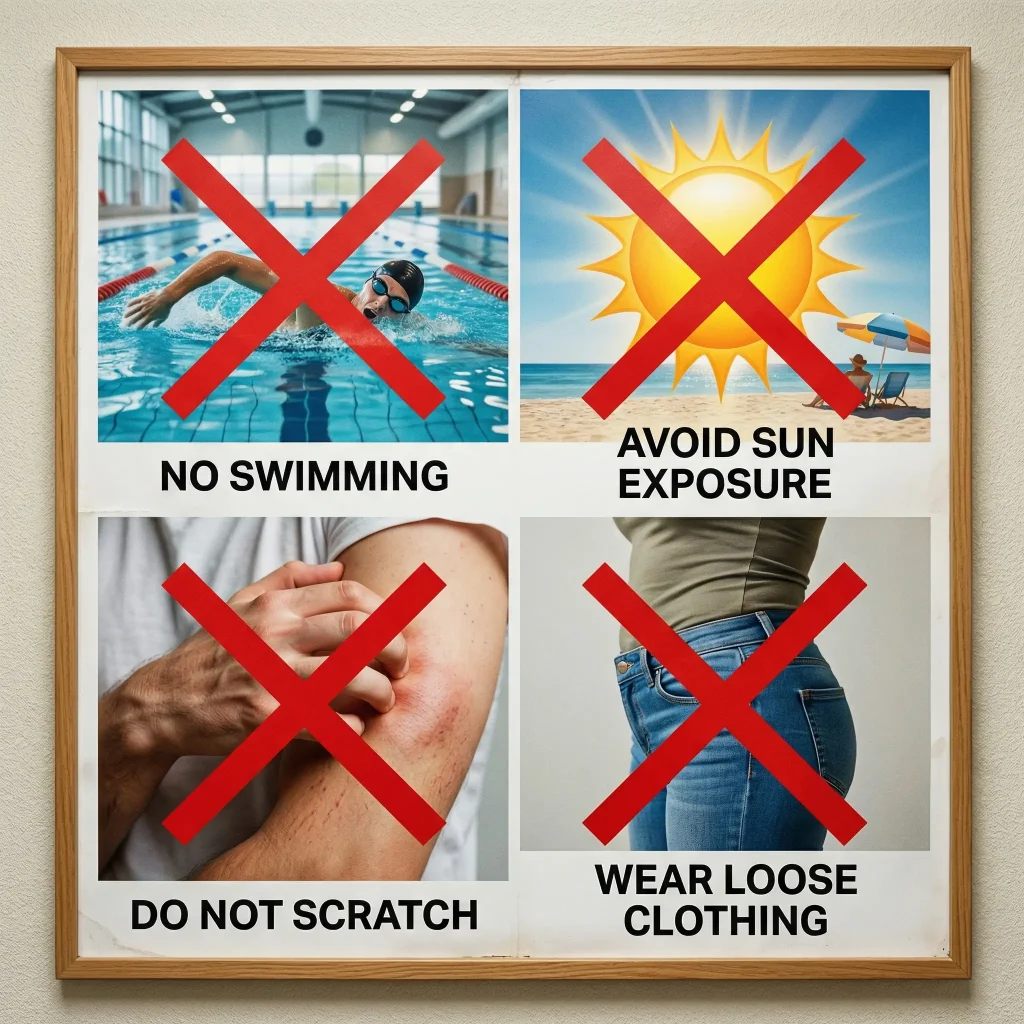
a. Do Not Pick or Scratch
Your tattoo may peel or scab during healing. Do not pick at scabs or peeling skin.
Picking can remove ink and cause scarring.
b. Avoid Submerging Your Tattoo
Avoid soaking your tattoo in:
- Swimming pools
- Hot tubs
- Baths
- Saunas
Submerging your tattoo can introduce bacteria and slow healing. Wait at least 2–3 weeks before swimming.
c. Avoid Direct Sunlight
Fresh tattoos are sensitive to sunlight. Direct sun exposure can cause fading and irritation.
Keep your tattoo covered when outdoors. Once healed, use sunscreen to protect your tattoo.
d. Avoid Tight Clothing
Tight clothing can rub against your tattoo and irritate it.
Wear loose, breathable clothing during healing. This helps prevent friction and allows your tattoo to heal comfortably.
6. Signs Your Tattoo Is Healing Properly
It’s normal to experience:
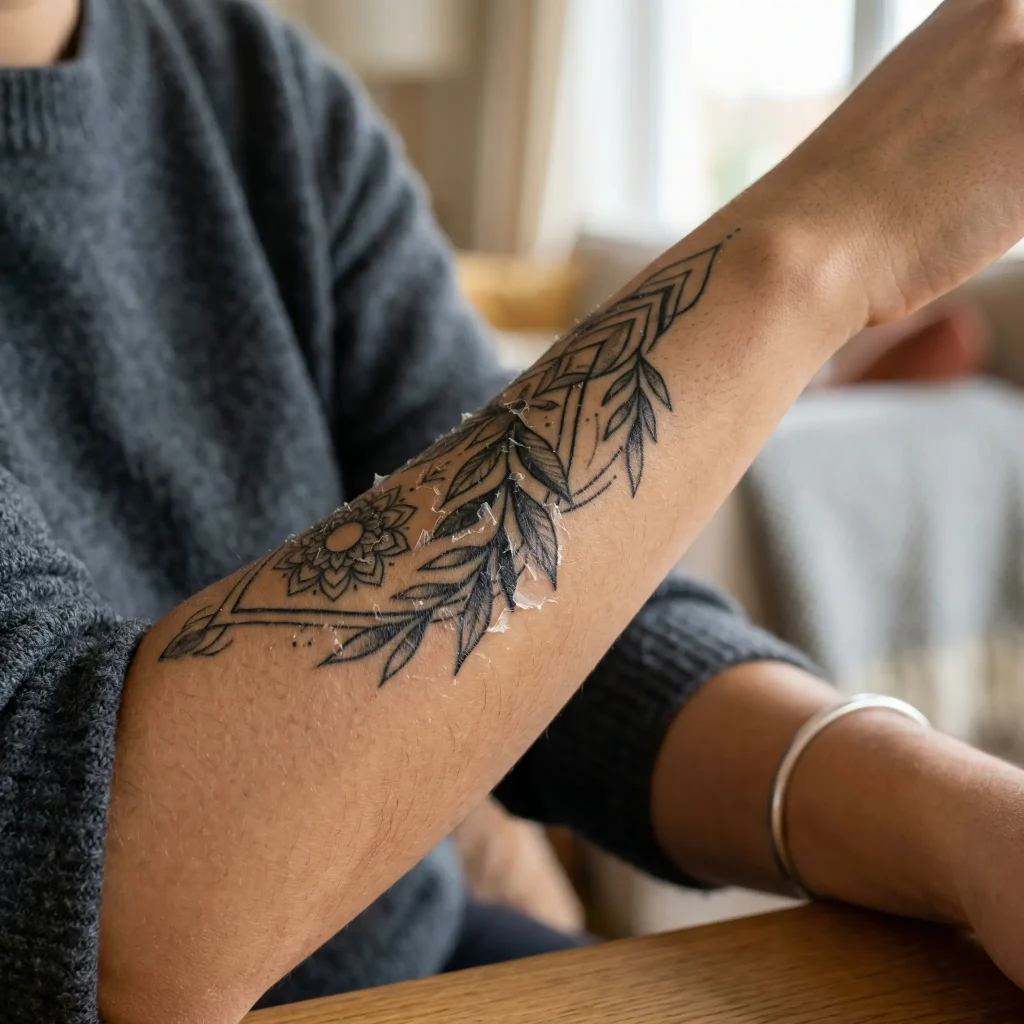
- Mild redness
- Light peeling
- Slight itching
- Dry skin
These signs indicate your tattoo is healing normally.
Stay consistent with your care routine and allow your skin time to heal.
7. Signs Of Poor Healing
Although uncommon, watch for signs that something may be wrong:
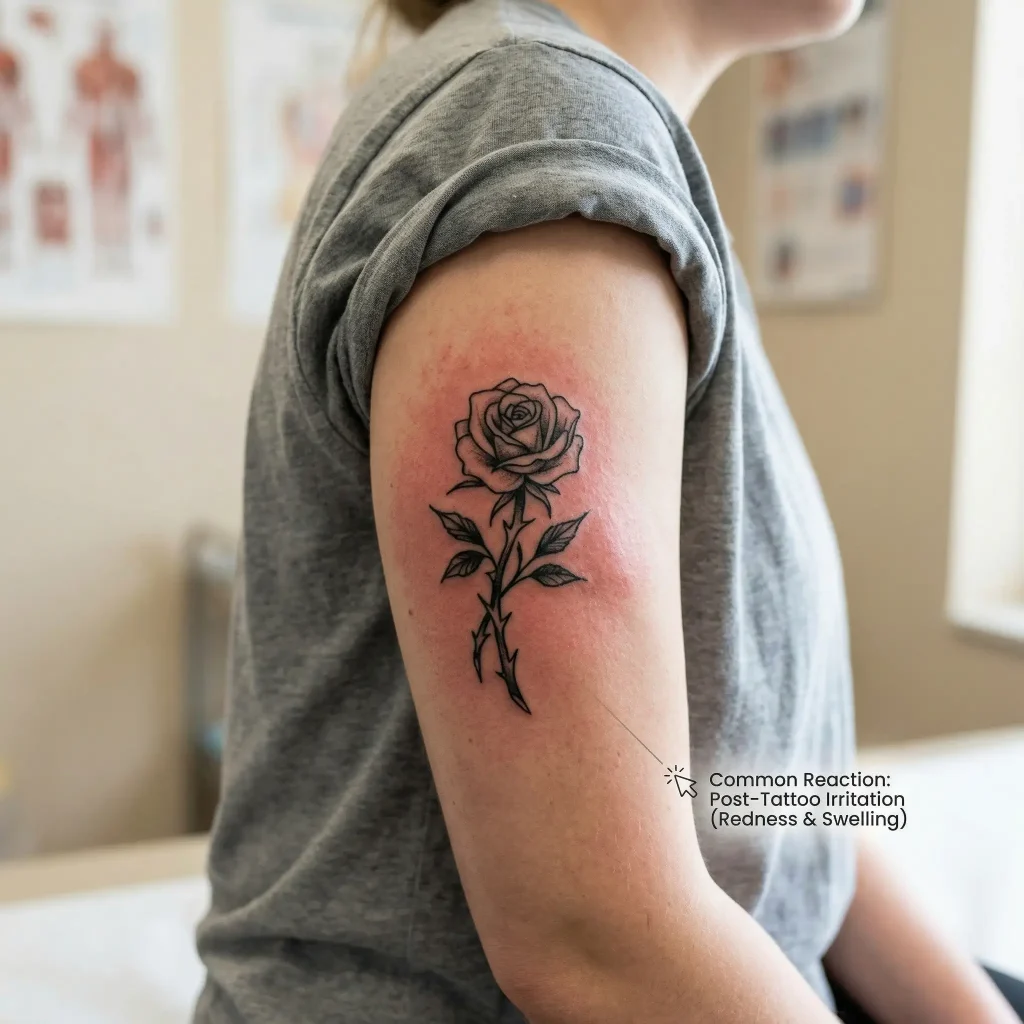
- Severe redness
- Excess swelling
- Pus or unusual discharge
- Increasing pain
If you notice these symptoms, consider seeking professional advice.
8. Simple Tips For Better Healing
Small habits can improve your healing process:
- Drink plenty of water
- Wear loose clothing
- Keep the tattoo clean
- Avoid excessive sweating
- Be patient with healing
Following these simple tattoo advice tips helps your tattoo heal smoothly.
9. Conclusion
Tattoo aftercare plays a major role in how your tattoo heals and looks over time. Simple steps like cleaning, moisturizing, and avoiding irritation can make a big difference.
Healing takes time, and patience is important. Stay consistent with your care routine and avoid common mistakes.
By following this Tattoo Aftercare Guide, you give your tattoo the best chance to heal properly and stay vibrant for years to come.