
Many people focus on abs, legs, or arms when working out but often ignore one of the most important muscle groups in the body: the Pelvic Floor Muscles.
These muscles support the bladder, bowel, and core, helping the body maintain stability and posture.
The good news is that pelvic floor exercises can help strengthen these hidden muscles and improve body support.
15 Best Pelvic Floor Exercises
These exercises help strengthen the pelvic muscles while also supporting the core, hips, and lower abdomen. Many of them are also used in muscle separation exercises programs and core rehabilitation routines.
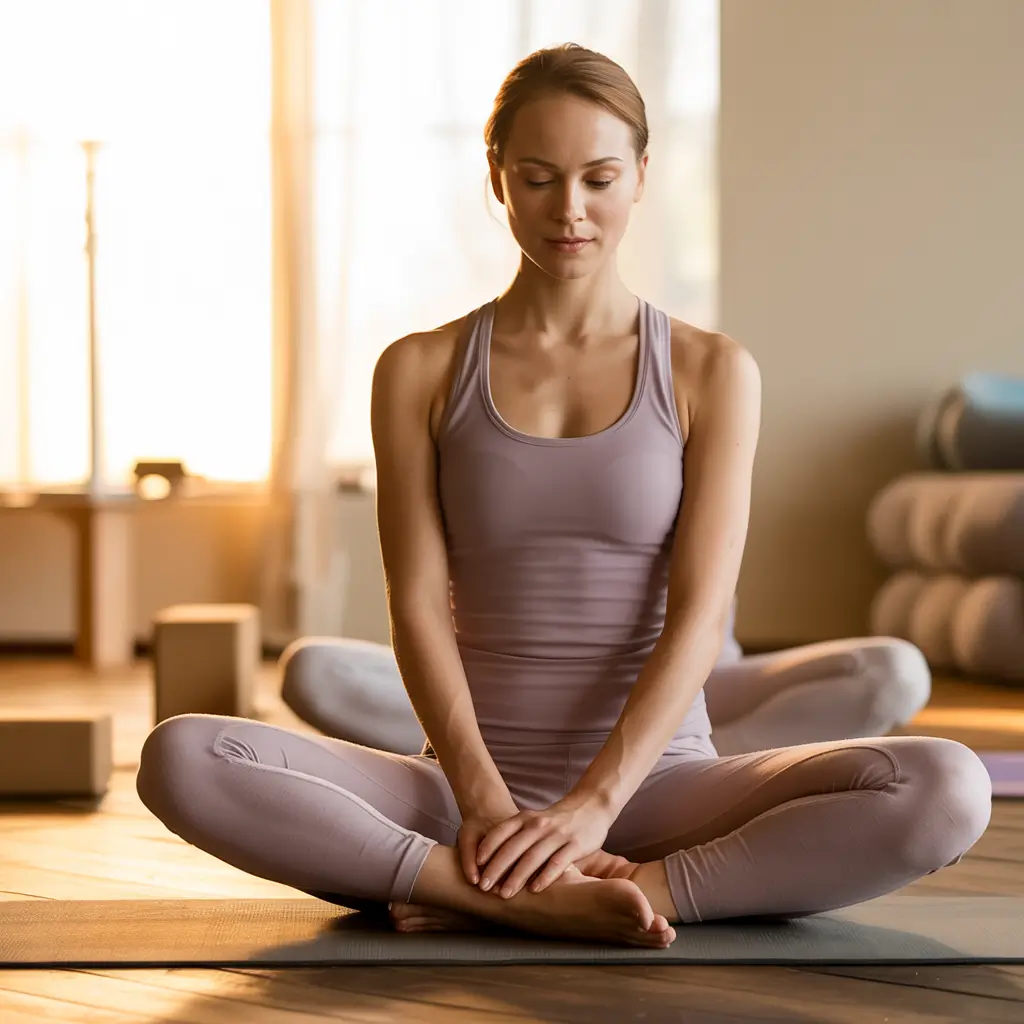
1. Kegel Contractions
Kegels are one of the most effective ways to strengthen the pelvic floor. This exercise directly targets the muscles responsible for bladder control and core stability.
How to do it: Tighten the muscles you would use to stop the flow of urine. Hold the contraction while breathing normally, then relax.
Reps: 10–15 repetitions.
Main Benefit: Improves bladder control and strengthens pelvic support muscles.
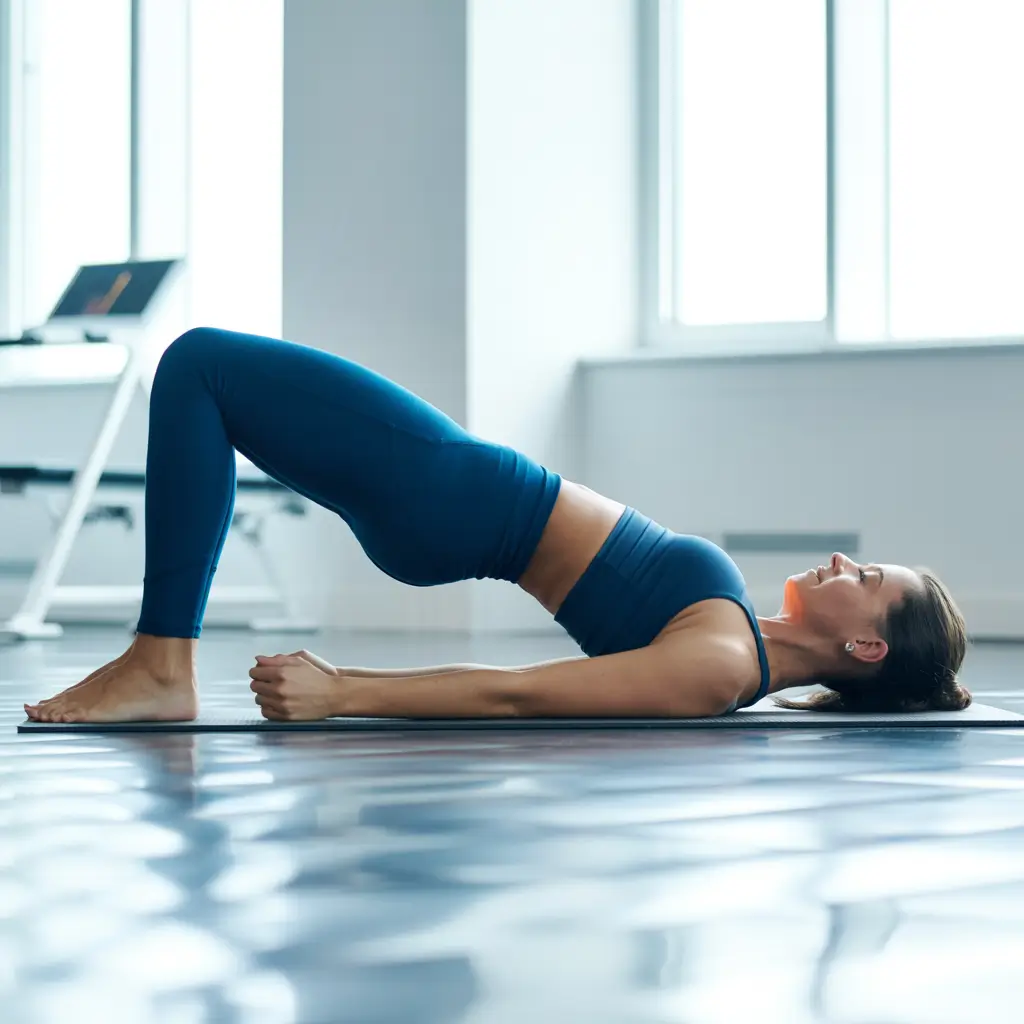
2. Glute Bridge
This exercise strengthens the glutes, lower back, and pelvic muscles together. It also helps activate the core and improves hip stability.
How to do it: Lie on your back with knees bent and feet flat on the floor. Lift your hips toward the ceiling while tightening your pelvic muscles.
Reps: 10–12 repetitions.
Main Benefit: Builds pelvic stability and strengthens the lower body.
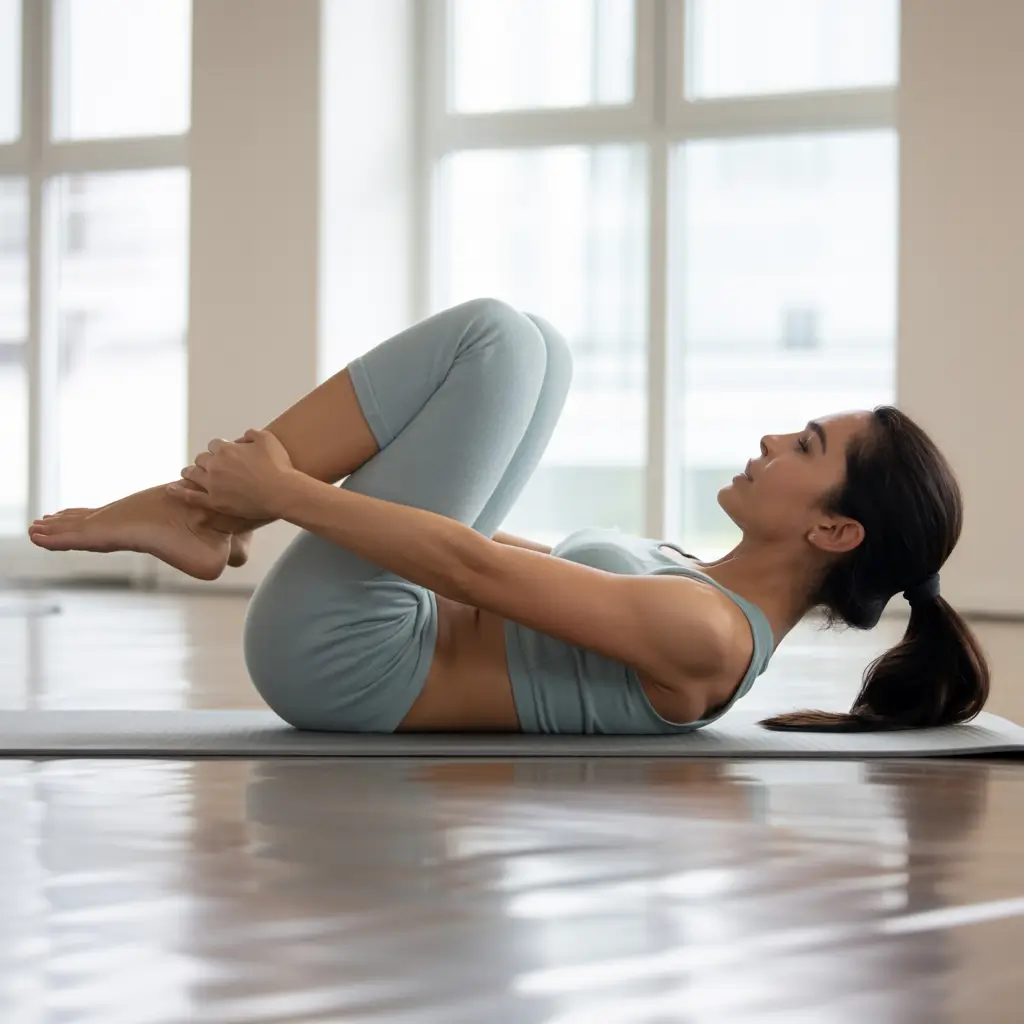
3. Pelvic Tilts
Pelvic tilts help improve control of the lower spine and strengthen the deep core muscles. They are often included in recovery routines for weakened abdominal muscles.
How to do it: Lie on your back with knees bent. Gently tilt your pelvis upward so your lower back presses into the floor.
Reps: 10–15 repetitions.
Main Benefit: Strengthens the lower abdominal and pelvic muscles.
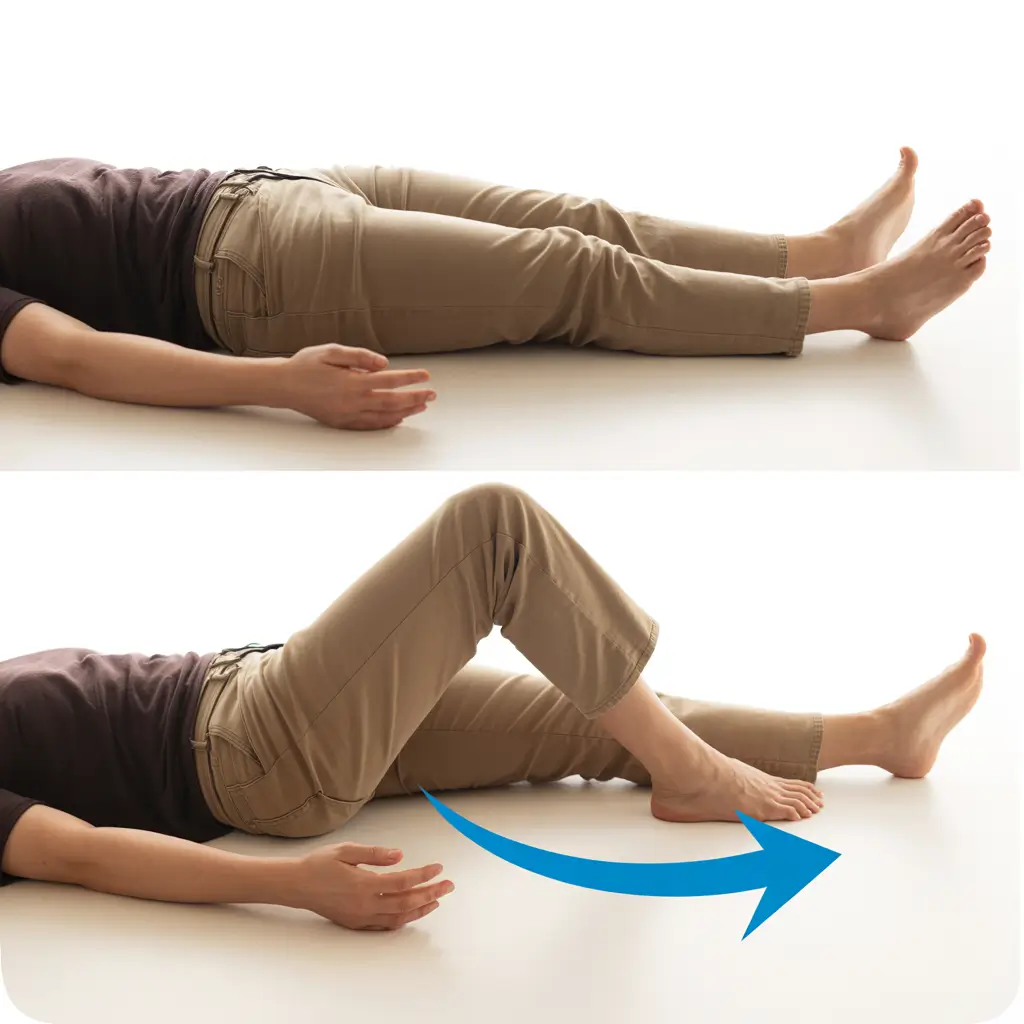
4. Heel Slides
Heel slides are a gentle movement that improves coordination between the pelvic muscles and the lower abdomen. This exercise is beginner-friendly and helps build core awareness.
How to do it: Lie on your back with knees bent. Slowly slide one heel away from your body while keeping your core engaged.
Reps: 10 repetitions per leg.
Main Benefit: Improves core control and pelvic muscle coordination.
5. Bird Dog Exercise
The bird dog exercise strengthens the core and helps stabilize the pelvis during movement. It also improves balance and coordination.
How to do it: Start on your hands and knees. Extend one arm forward and the opposite leg backward while keeping your body stable.
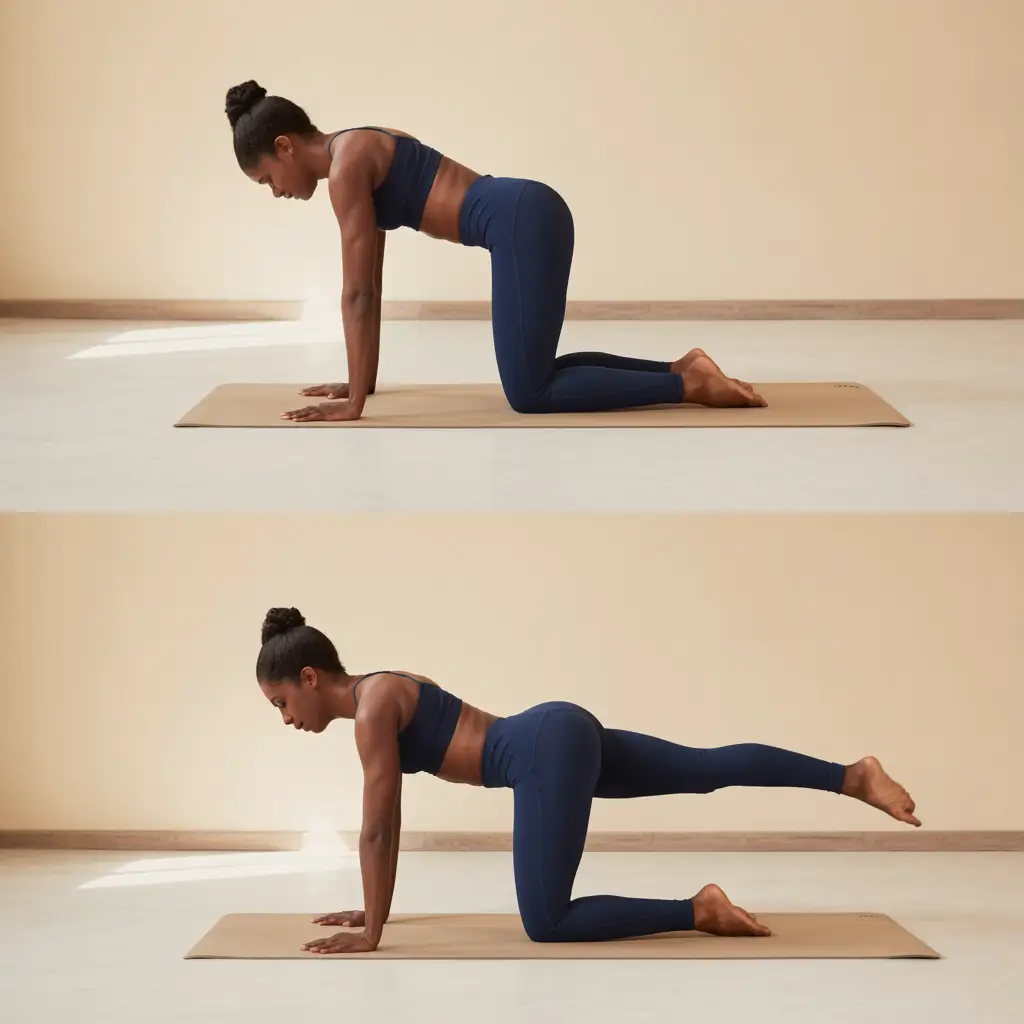
Reps: 10 repetitions per side.
Main Benefit: Improves balance and strengthens the entire core system.
6. Deep Squat Hold
Deep squats activate the hips, glutes, and pelvic muscles. Holding the squat position encourages the pelvic muscles to stay engaged.
How to do it: Lower your body into a squat position and hold it while gently tightening the pelvic floor.
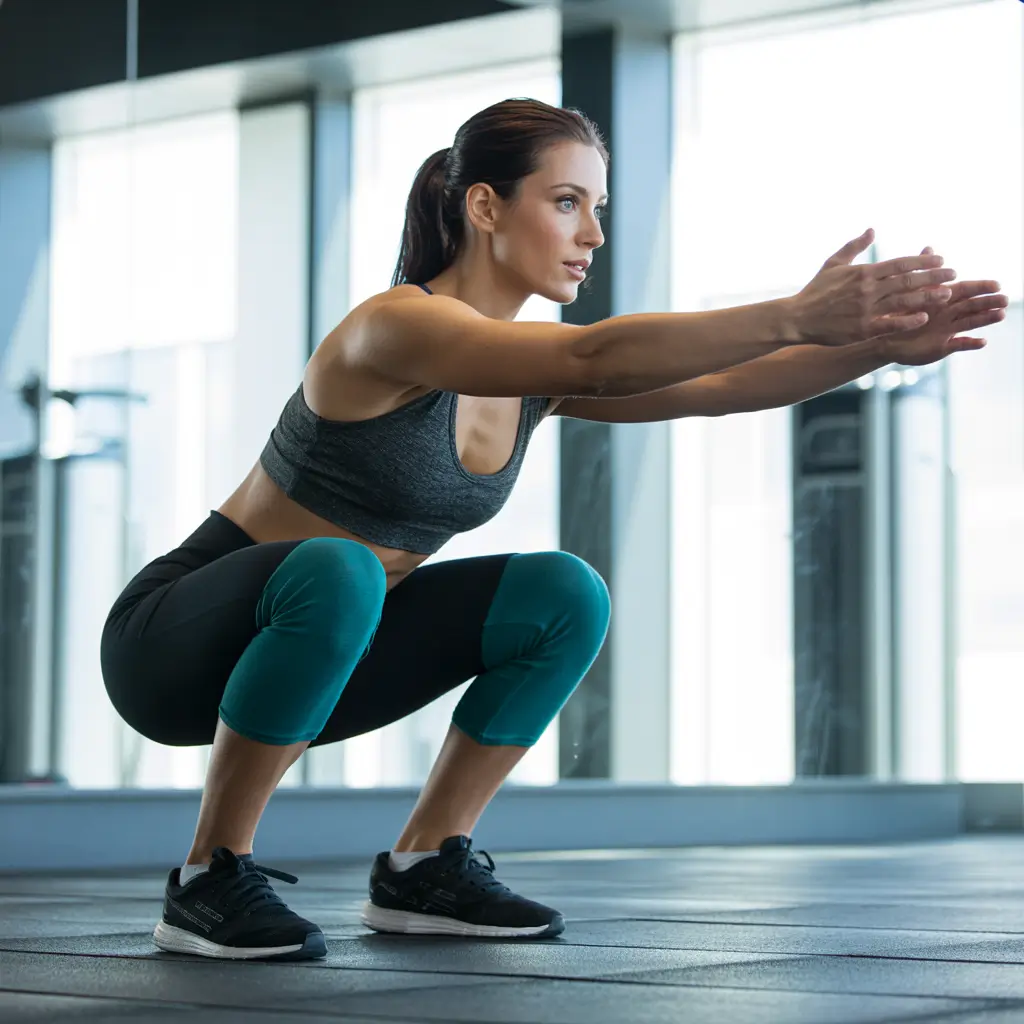
Reps: Hold for 20–30 seconds.
Main Benefit: Builds strength and mobility in the hips and pelvic area.
7. Marching Bridge
Bridge exercise challenges stability and forces the pelvic muscles to work harder to maintain balance.
How to do it: Lift your hips into a bridge position, then slowly lift one foot off the floor while keeping your pelvis steady.
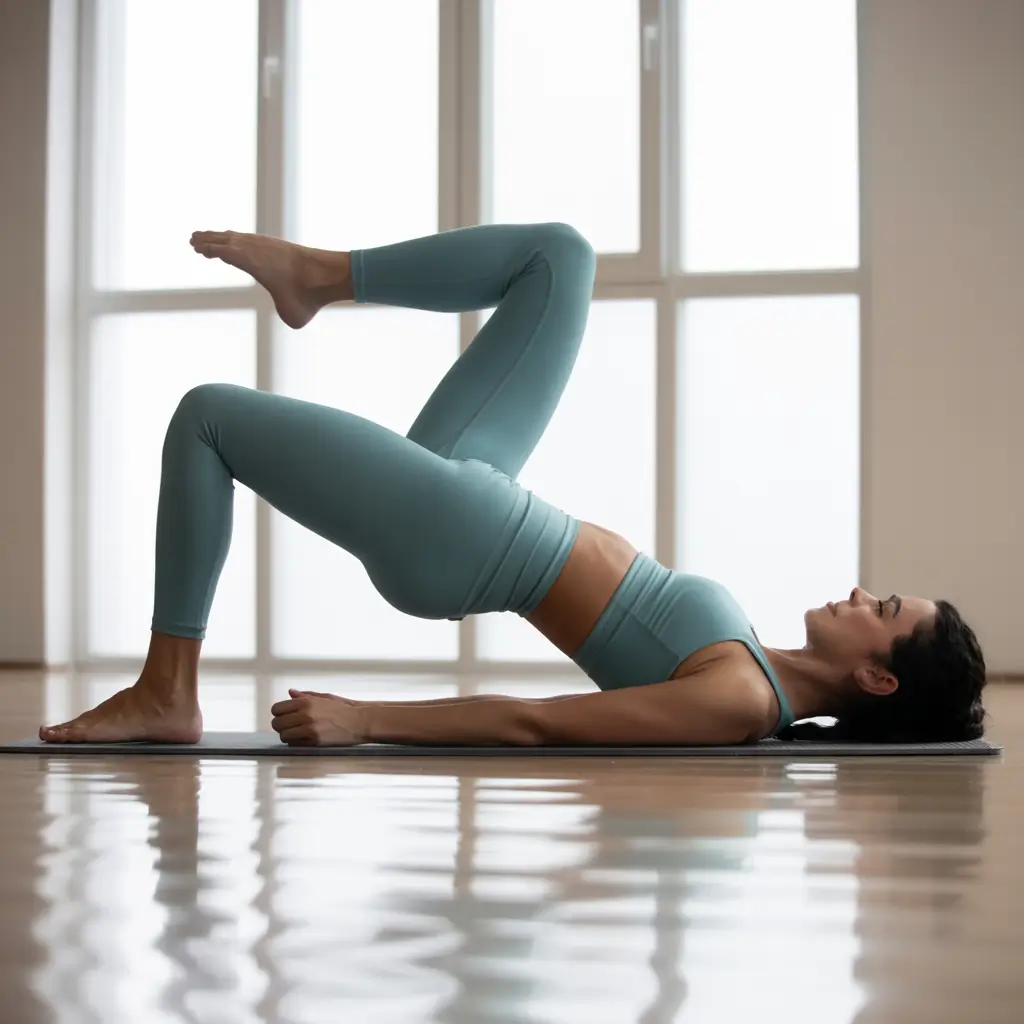
Reps: 8–10 repetitions per leg.
Main Benefit: Improves pelvic stability and coordination.
8. Dead Bug Exercise
The dead bug exercise strengthens the deep abdominal muscles while maintaining pelvic control. It is used in core training programs.
How to do it: Lie on your back with arms and legs raised. Slowly extend the opposite arm and leg while keeping your core tight.
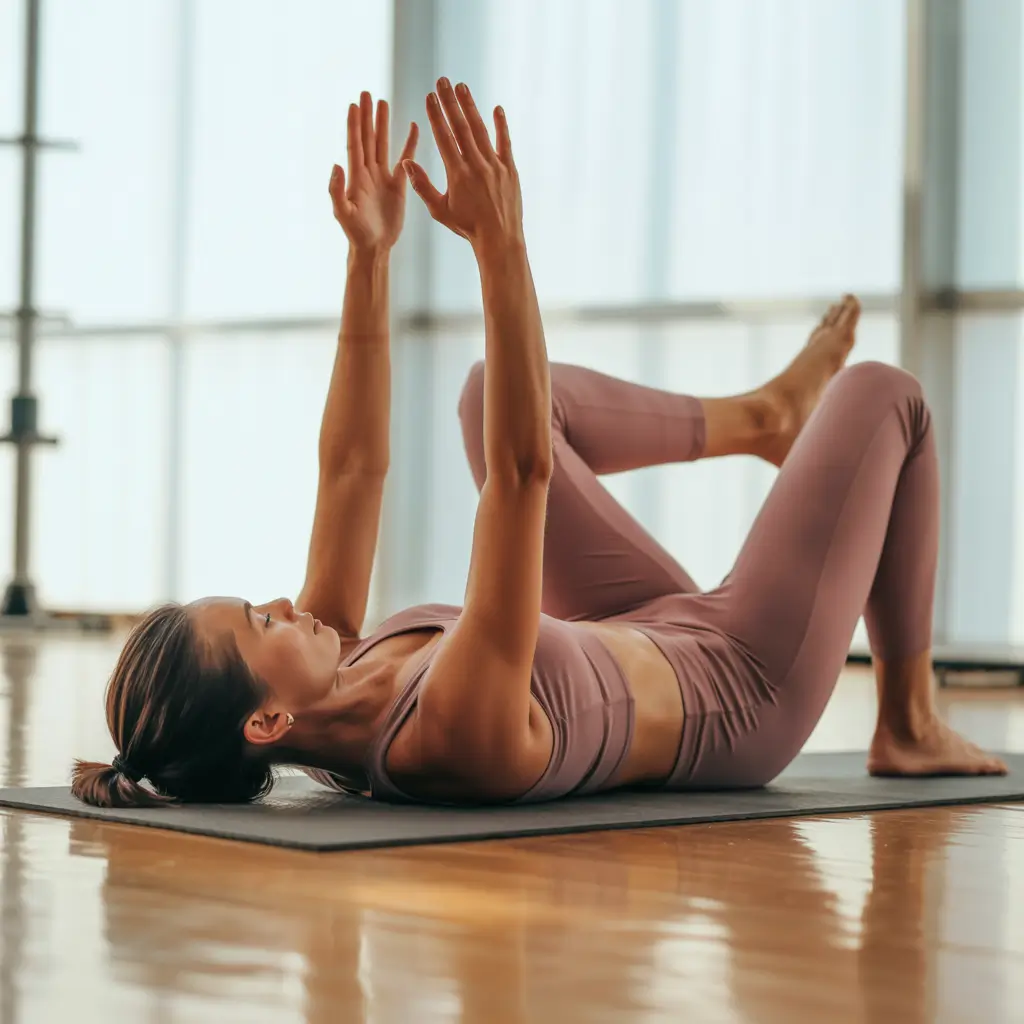
Reps: 10 repetitions per side.
Main Benefit: Strengthens deep core muscles and supports pelvic stability.
9. Side-Lying Leg Lifts
Side leg lifts strengthen the hips and improve support for the pelvic region. Strong hip muscles help reduce strain on the pelvic floor.
How to do it: Lie on your side and raise the top leg upward while keeping the body aligned.

Reps: 12 repetitions per side.
Main Benefit: Strengthens hip muscles that support the pelvis.
10. Seated Pelvic Contractions
This is a convenient exercise that can be done while sitting at work or at home. It helps train the pelvic muscles without needing a workout space.
How to do it: Sit upright and tighten your pelvic muscles while breathing normally.
Reps: 15 repetitions.
Main Benefit: Improves pelvic muscle awareness and control.
11. Standing Pelvic Floor Squeeze
Contractions help train the pelvic muscles in a functional position used during daily activities.
How to do it: Stand upright and tighten your pelvic muscles while maintaining normal breathing.
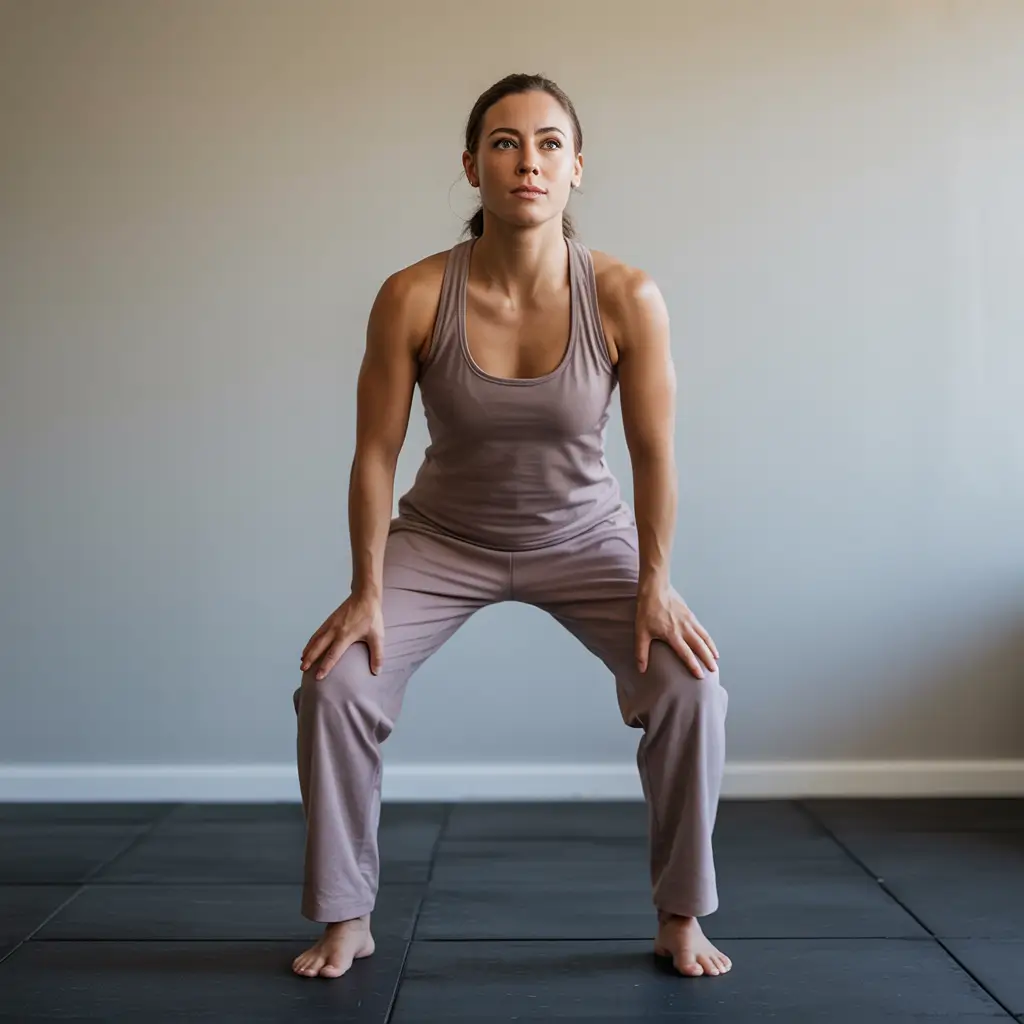
Reps: 10–12 repetitions.
Main Benefit: Builds strength for everyday movements.
12. Lunges with Core Engagement
Lunges activate multiple muscle groups including the hips, thighs, and pelvic muscles. This exercise improves stability during movement.
How to do it: Step forward into a lunge while tightening your core and pelvic muscles.
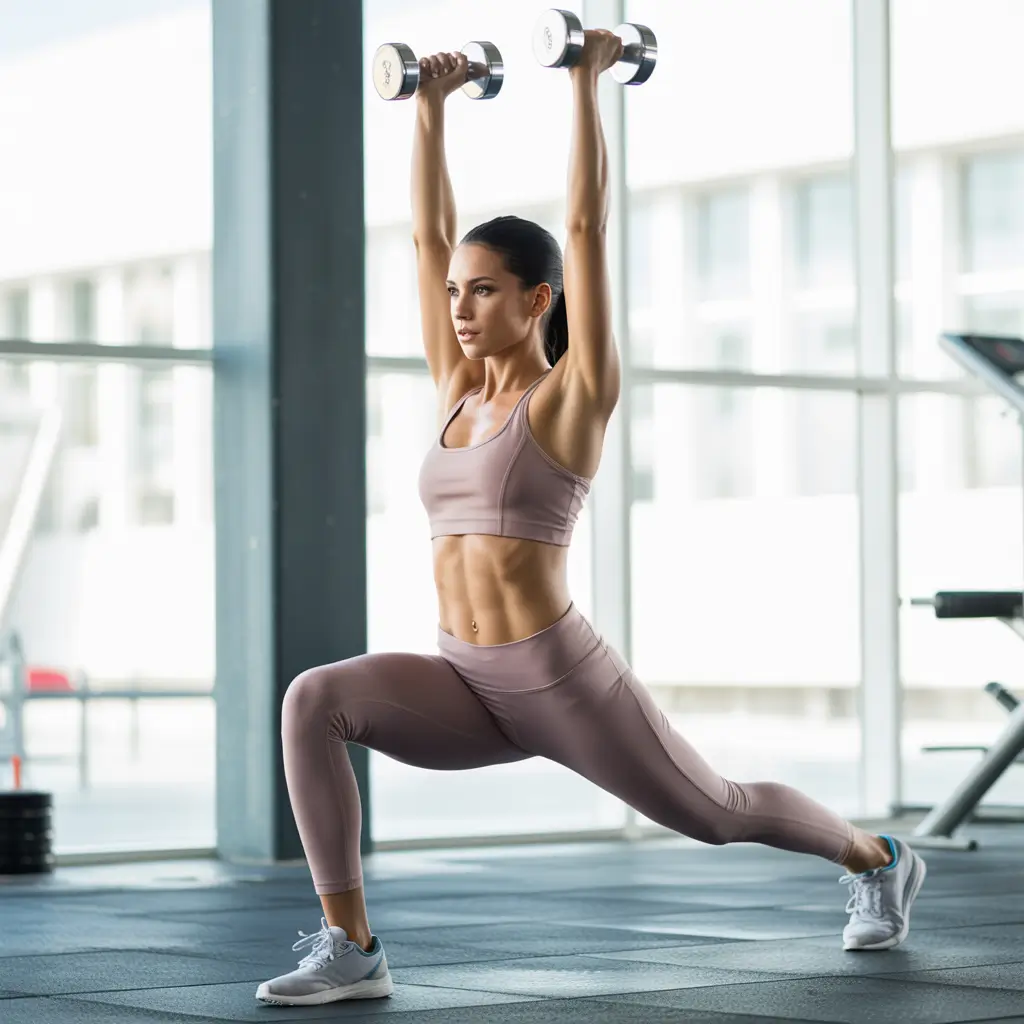
Reps: 10 repetitions per leg.
Main Benefit: Strengthens lower body muscles and pelvic stability.
13. Pilates Pelvic Curl
The pelvic curl focuses on controlled movement of the spine and pelvis. It strengthens the lower core while improving flexibility.
How to do it: Slowly lift your spine off the floor into a bridge position, one vertebra at a time.
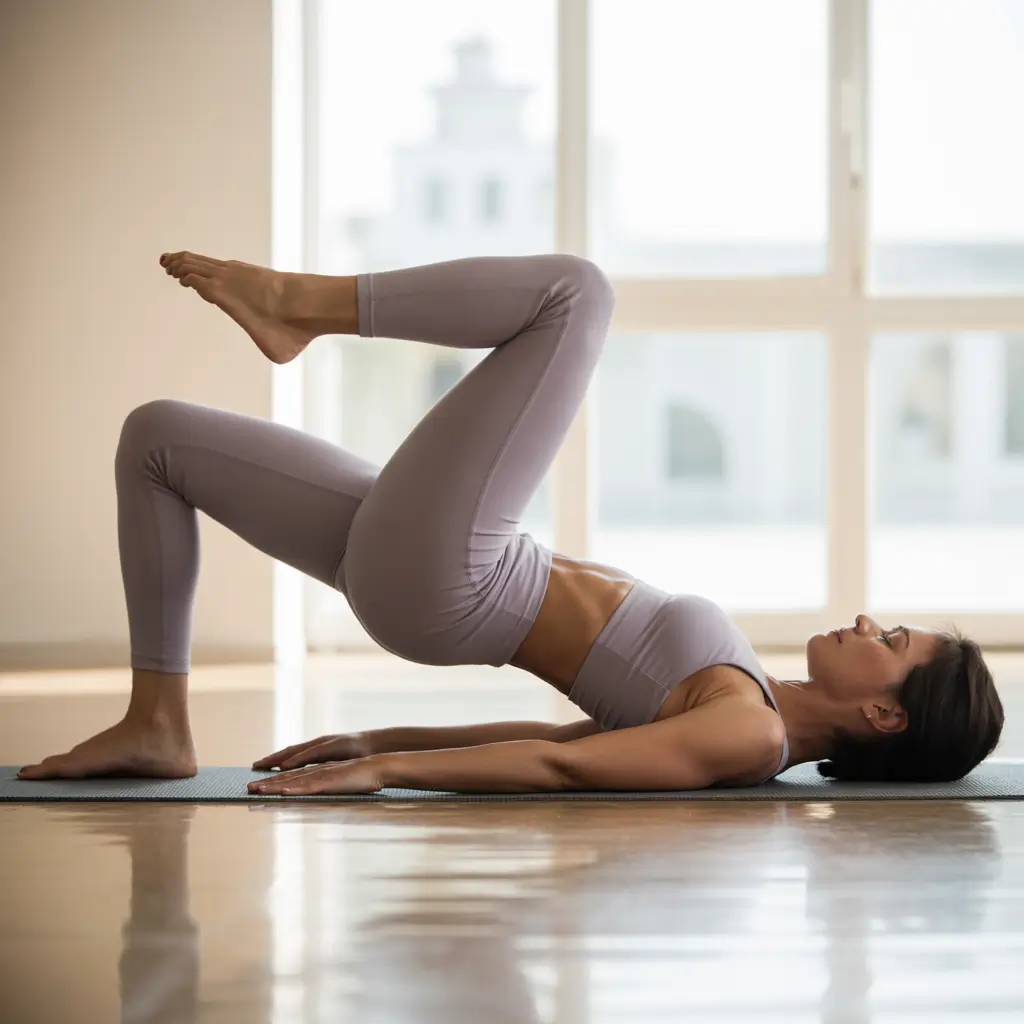
Reps: 10 repetitions.
Main Benefit: Improves spinal flexibility and core strength.
14. Bridge Pulses
Bridge pulses increase muscle engagement by maintaining tension in the hips and pelvic muscles.
How to do it: Hold the bridge position and perform small upward pulses with your hips.
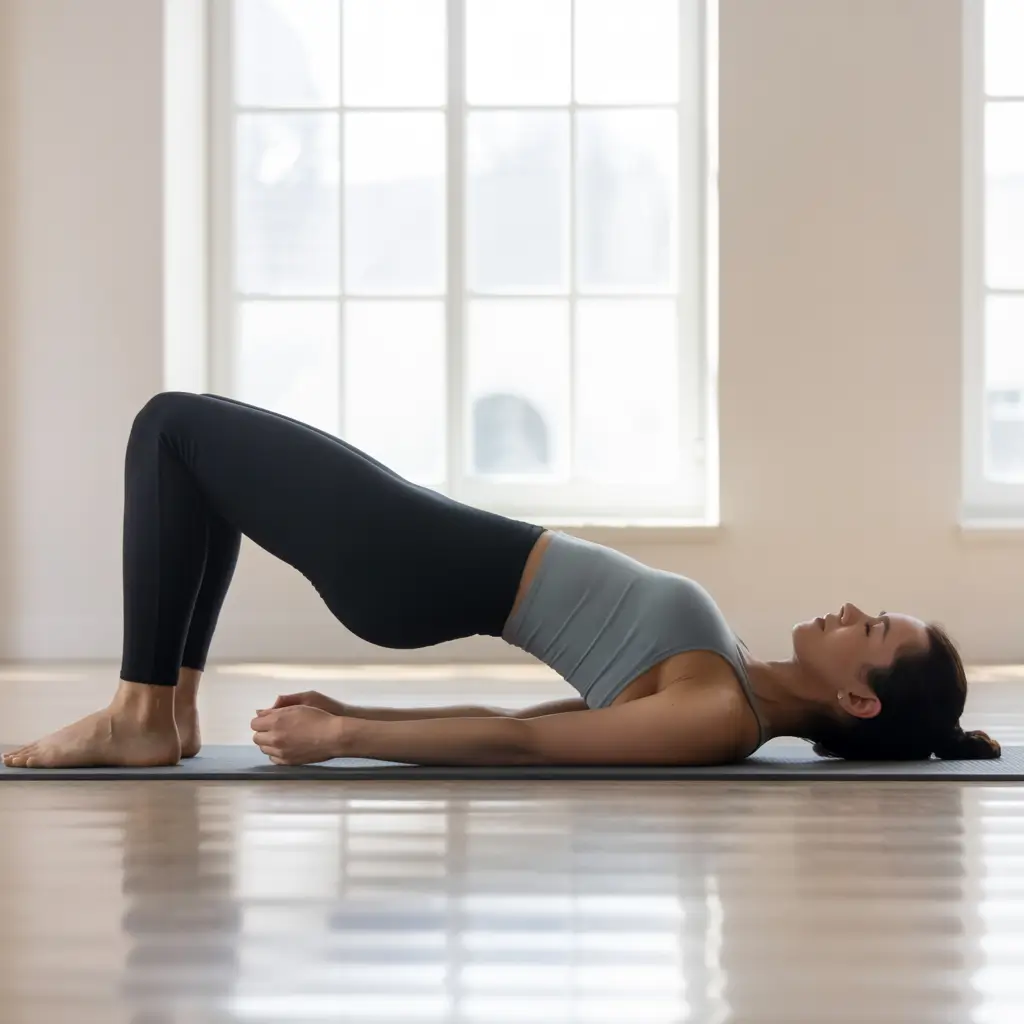
Reps: 15 pulses.
Main Benefit: Builds endurance in the glutes and pelvic muscles.
15. Gentle Pelvic Floor Stretches
Stretching helps relax tight muscles after strengthening exercises. These stretches improve flexibility and help prevent tension in the pelvic area.
How to do it: Practice gentle stretches like child’s pose or deep breathing stretches while relaxing the pelvic area.
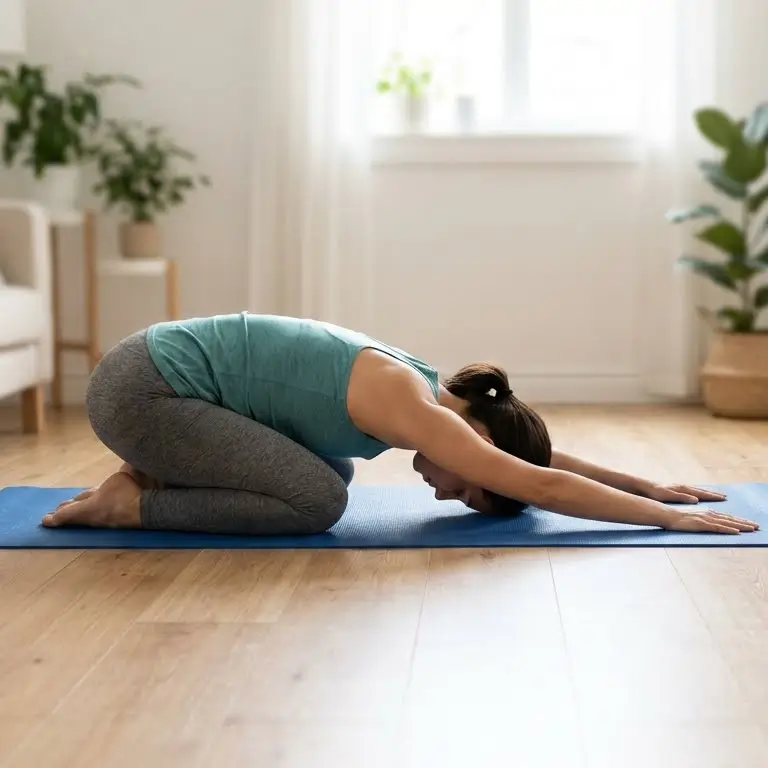
Reps: Hold each stretch for 20–30 seconds.
Main Benefit: Improves flexibility and reduces pelvic muscle tension.
Tips to Strengthen Your Pelvic Floor Faster
A few daily habits can support your progress and help you strengthen your pelvic muscles more.
Helpful tips include:
• Practice pelvic contractions every day
• Maintain good posture while sitting or standing
• Combine pelvic training with regular core workouts
• Avoid excessive strain when lifting heavy objects